Read the report beside the photographs
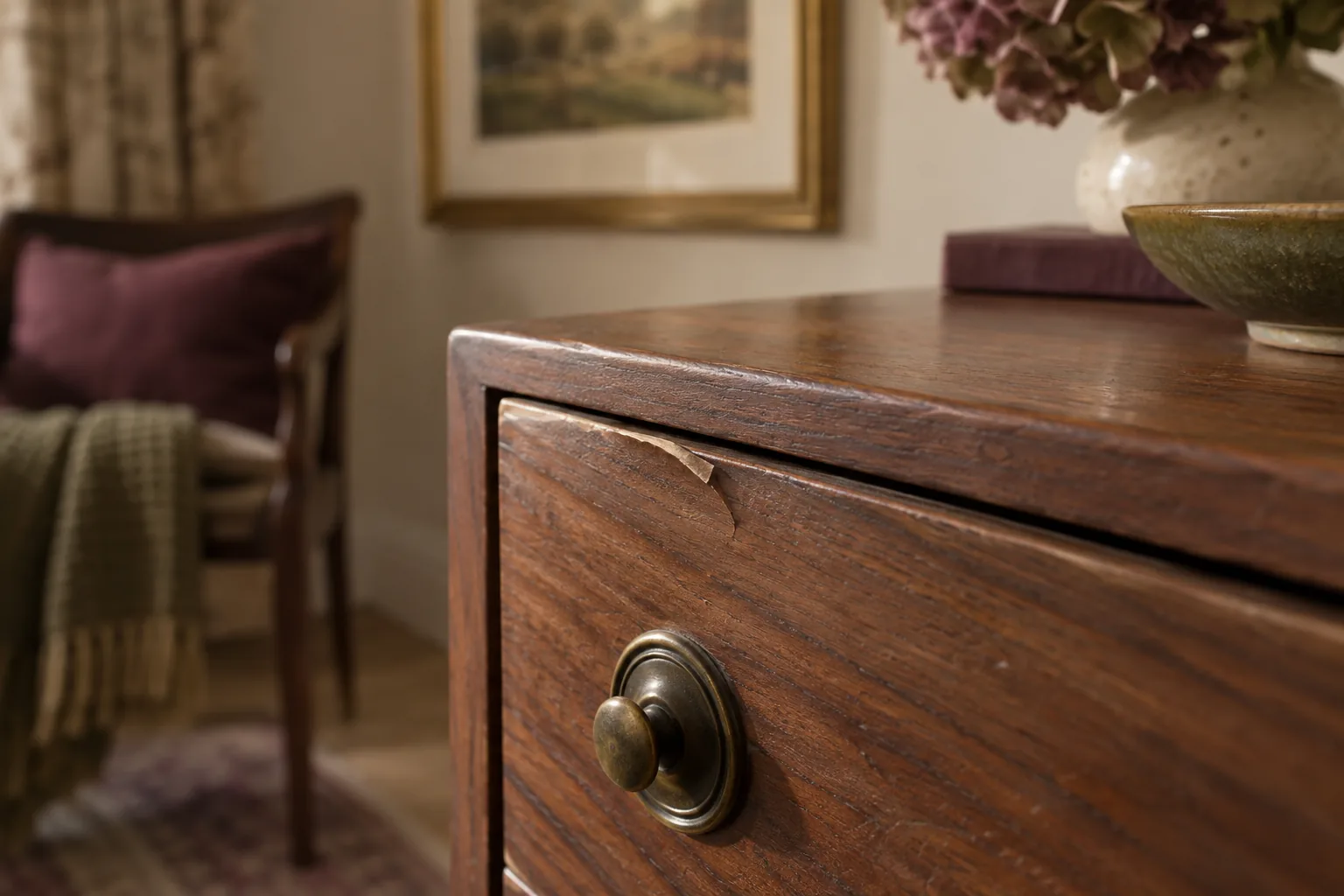
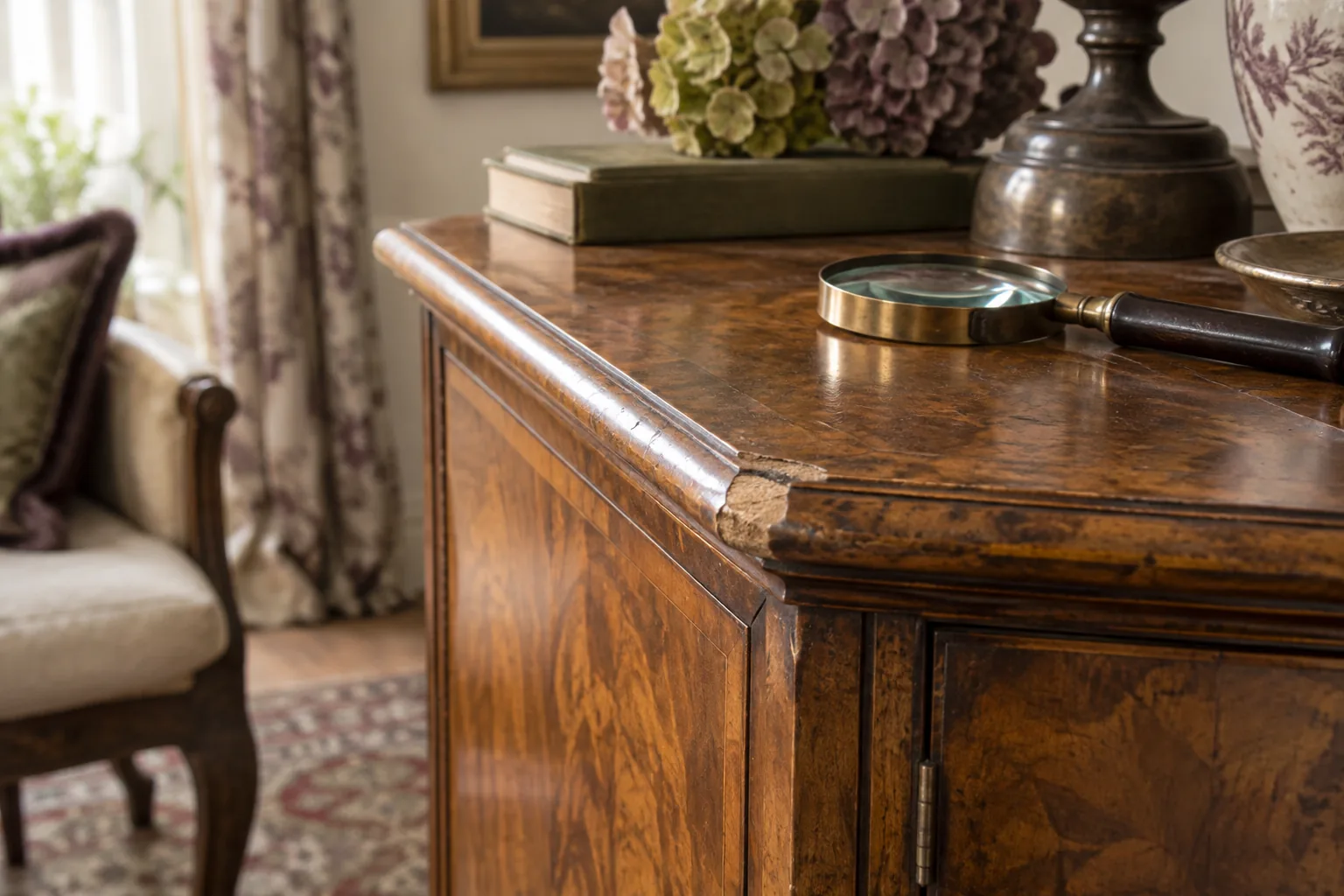
A condition report and a set of photographs are most useful together. Read the description slowly, locating each mentioned mark, loss or repair in the images where possible. If you cannot find it, ask for its position and a clearer view. A phrase that sounds minor may refer to a prominent area, while a lengthy description may concern a detail you would barely notice in normal use.
Check that the report refers to the exact item or lot you are considering, particularly where several similar pieces appear in one sale. Note the date and whether any later updates have been issued. A report is information to assess, not a substitute for understanding the seller's terms or arranging appropriate inspection where the purchase warrants it.
Turn broad words into specific observations
Terms such as wear, restoration or good condition can cover a wide range of appearances and interventions. Ask what the words mean for this object. Where is the wear? Which part was restored? Is a replacement visible, and what is known about the work? The answers may matter more than the overall adjective at the top of the report.
Avoid assuming that unmentioned features have been checked and found faultless. Reports differ in scope, and some areas may be inaccessible or outside the writer's assessment. Ask whether the points essential to your use have been considered. You are not trying to obtain a promise of perfection; you are trying to distinguish observed condition from matters that remain unexamined or unknown.
Read a short example literally
Consider this invented report excerpt: 'Examined in accessible areas on 3 May. Wear to the top; repaired rear left leg. Underside not examined.' It describes the scope of an inspection, a visible condition point, a repair and an explicit gap. It does not tell you how extensive the wear is, how the leg was repaired or whether the unexamined area has any problems.
The useful follow-up is therefore specific: request views of the top and repaired leg, ask what is known about the work, and establish whether the underside can be examined appropriately. Check whether anything has changed since the report's date. If safe daily use depends on the repaired leg, suitable professional assessment may be necessary. Do not convert the absence of further comments into a statement that the rest is sound; the excerpt has expressly limited what was examined.
Separate appearance from function
A surface scratch may be aesthetically acceptable while an unstable joint changes whether furniture can be used safely. Likewise, a decorative vessel can have an attractive appearance without being suitable for food or water. Read the report through the lens of the role you intend for the piece.
Where structural, electrical or specialist material questions arise, seek the appropriate expertise instead of translating a general condition phrase into an assurance of safety. If professional work will be needed, find out whether an assessment is feasible before committing. A report may help identify the question without resolving its practical consequences. Keep those consequences visible in your budget, timetable and decision about whether the piece is a sensible purchase.
Compare the report with your tolerance
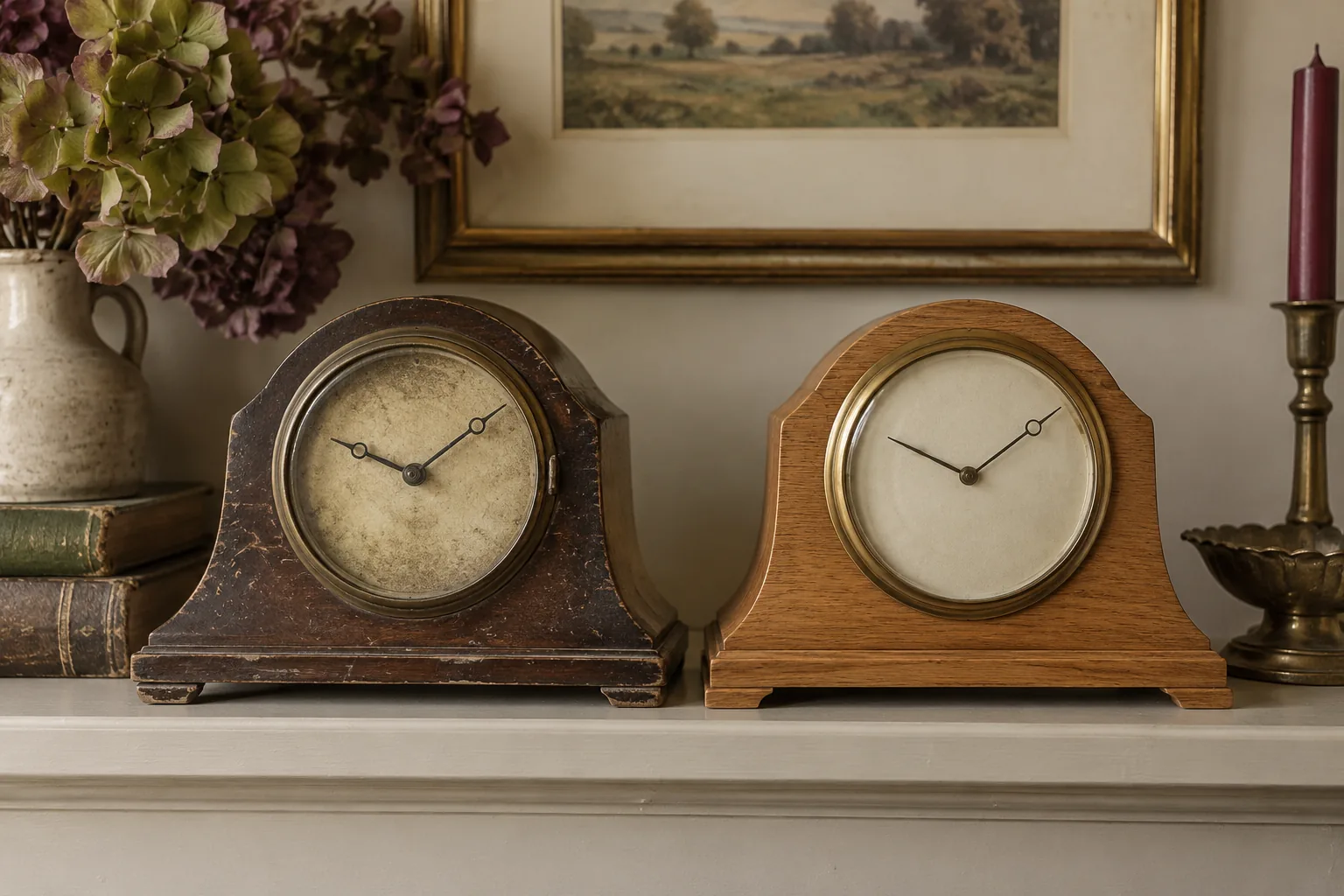
Different buyers can reasonably respond differently to the same condition. One person may enjoy uneven colour on an old tabletop; another may find it distracting every day. Write down which disclosed issues you can comfortably accept and which would require work or prevent the intended use.
Do not let reassuring language overrule your own response to a visible feature. If a stain bothers you in the photographs, it may still bother you at home even when described as consistent with age. Equally, a small documented repair need not disqualify a piece if you understand it and it suits the purpose. The important distinction is between a considered acceptance and a problem you are hoping will somehow disappear after purchase.
Keep unresolved questions separate from the decision
Make a short list of what remains unknown and decide whether each point is essential. You may be comfortable with incomplete history but require a clear answer about a missing component. If the necessary information cannot be supplied, assess the purchase on that basis rather than silently assuming the most favourable answer.
Save the report, photographs and relevant correspondence with your purchase records if you proceed. They help preserve what was known at the time and provide useful context for later care or assessment. A condition report earns its value by making your judgement better informed. It should leave you with clearer expectations, including a realistic understanding of its limits, rather than merely the comfort of having received a document.