The Buying Notebook
Before the excitement of a find comes the useful part: asking, measuring and checking. These guides help you decide what belongs at home and what is better left behind.
The reading list
Take your time 01
01Write a buying brief that leaves room for a good surprise
Separate what a piece must do from the details you can happily discover along the way.
 02
02Your first vintage market visit, with time to look properly
A little preparation helps you enjoy the stalls and ask better questions without feeling you have to buy something.
 03
03Read the photographs before falling for the listing
Look beyond the attractive first image to understand what has been shown, what remains hidden and what needs a question.
 04
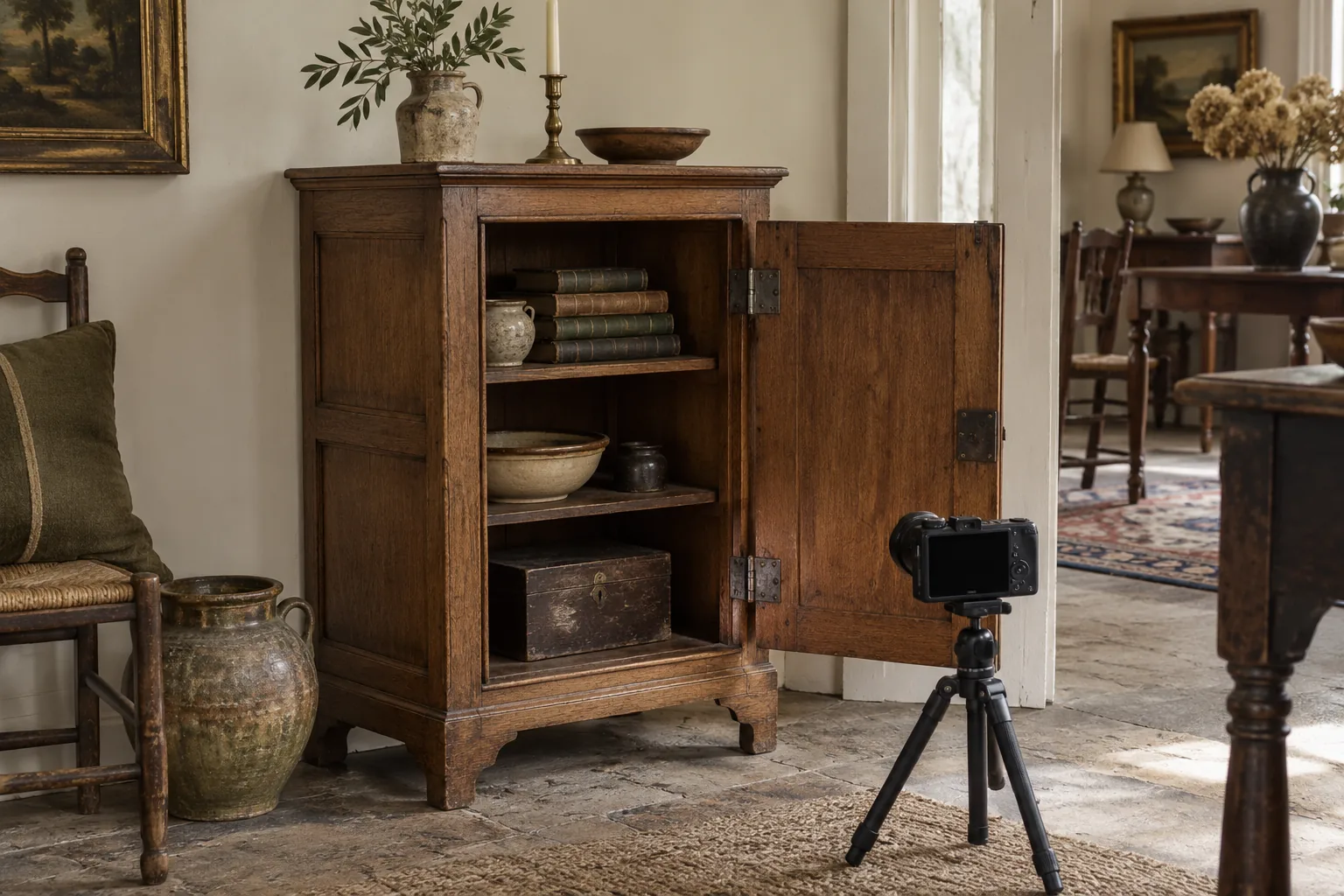
04Ask for extra photographs that actually answer your question
A precise, manageable request is more useful than a long list of pictures with no clear purpose.
 05
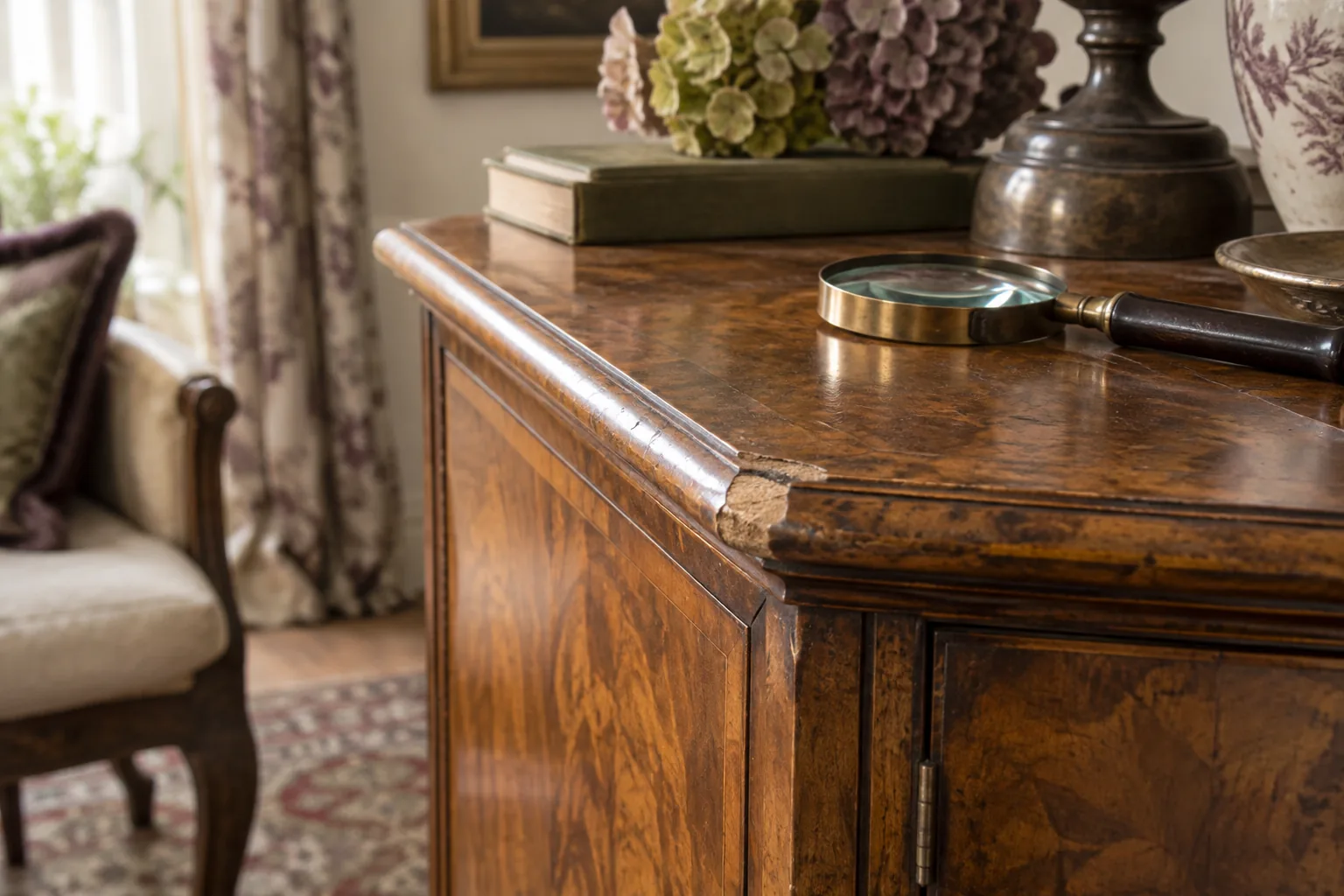
05Reading a condition report without filling in the gaps yourself
Translate descriptive language into practical questions about the specific piece and the way you intend to use it.
 06
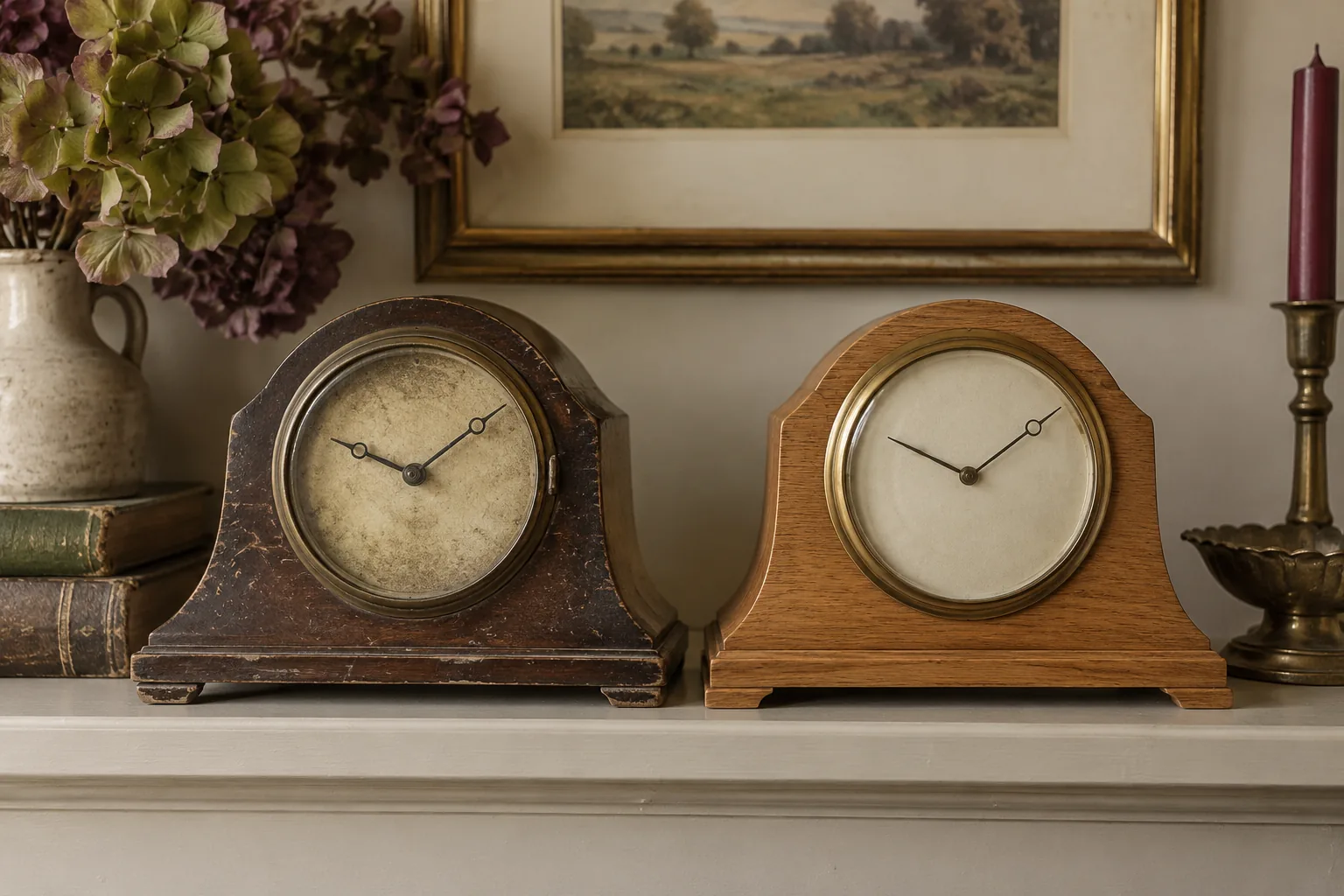
06Vintage, reproduction and 'in the style of': read the whole description
Find out what the seller is actually claiming before allowing an attractive label to decide the purchase.
 07
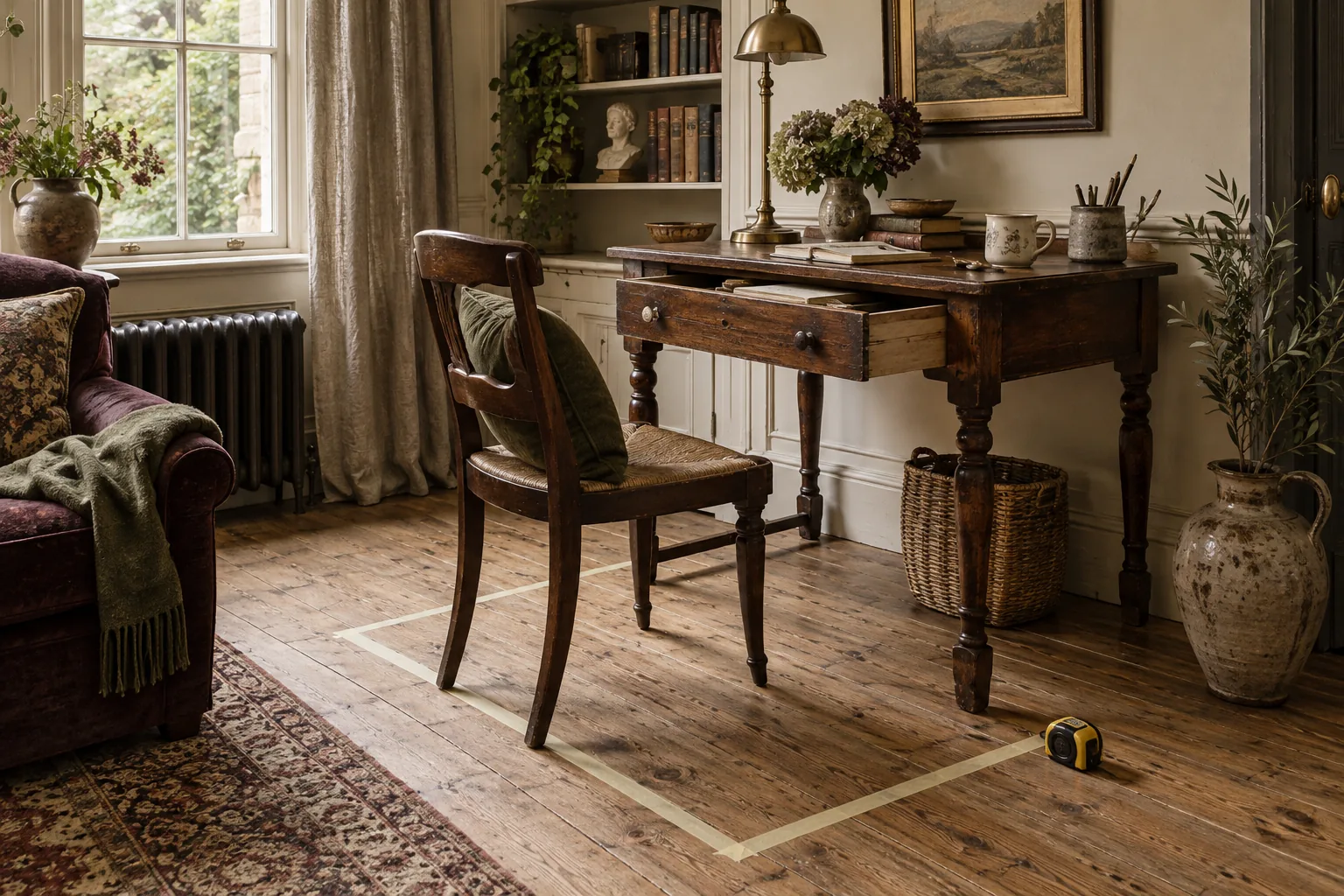
07Measure for the place a piece will occupy, not just the gap
Include open drawers, seated people and nearby routines when deciding whether furniture fits a room.
 08
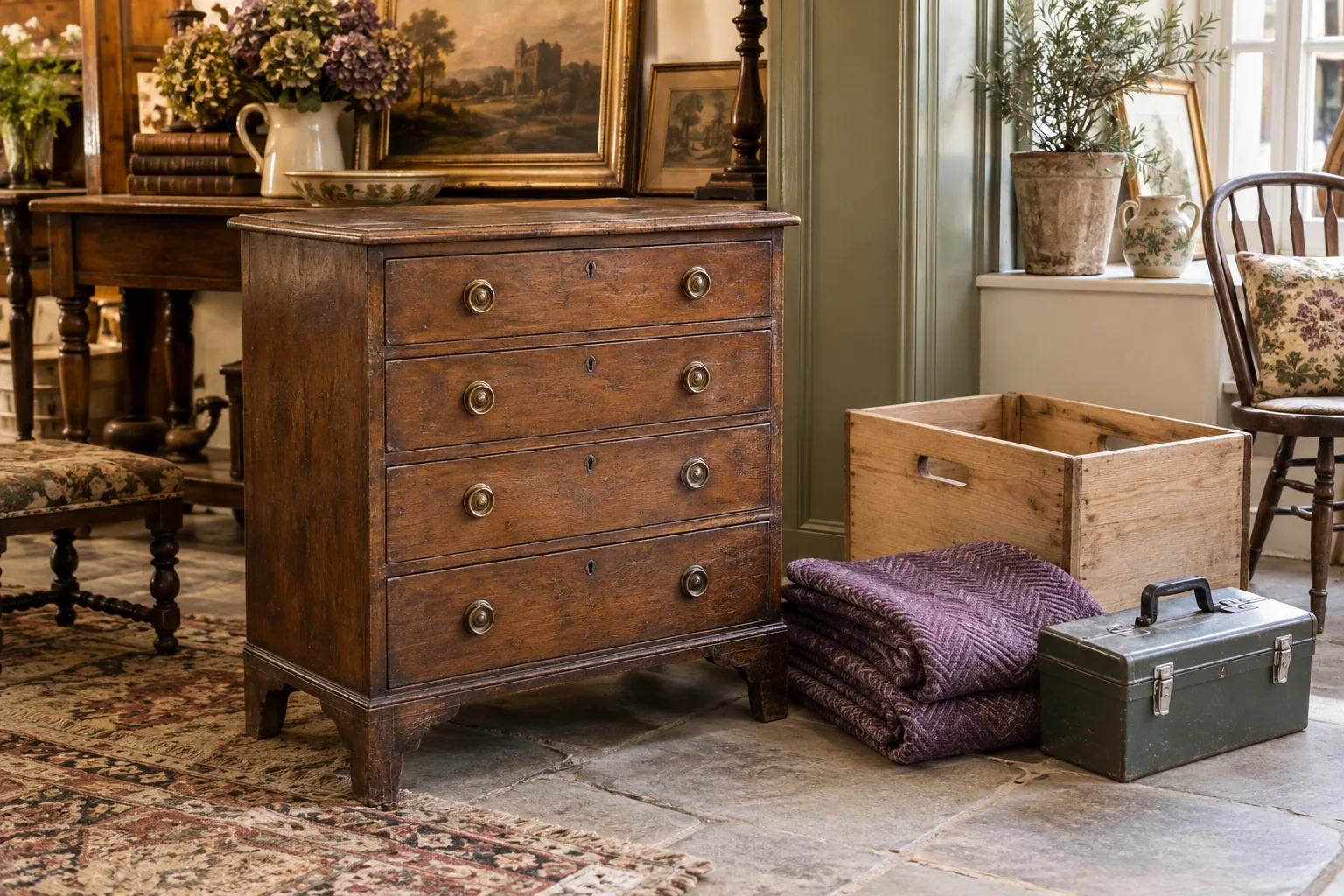
08Look beyond the asking price before calling it a good buy
Bring transport, assessment and necessary work into the same decision as the object itself.
 09
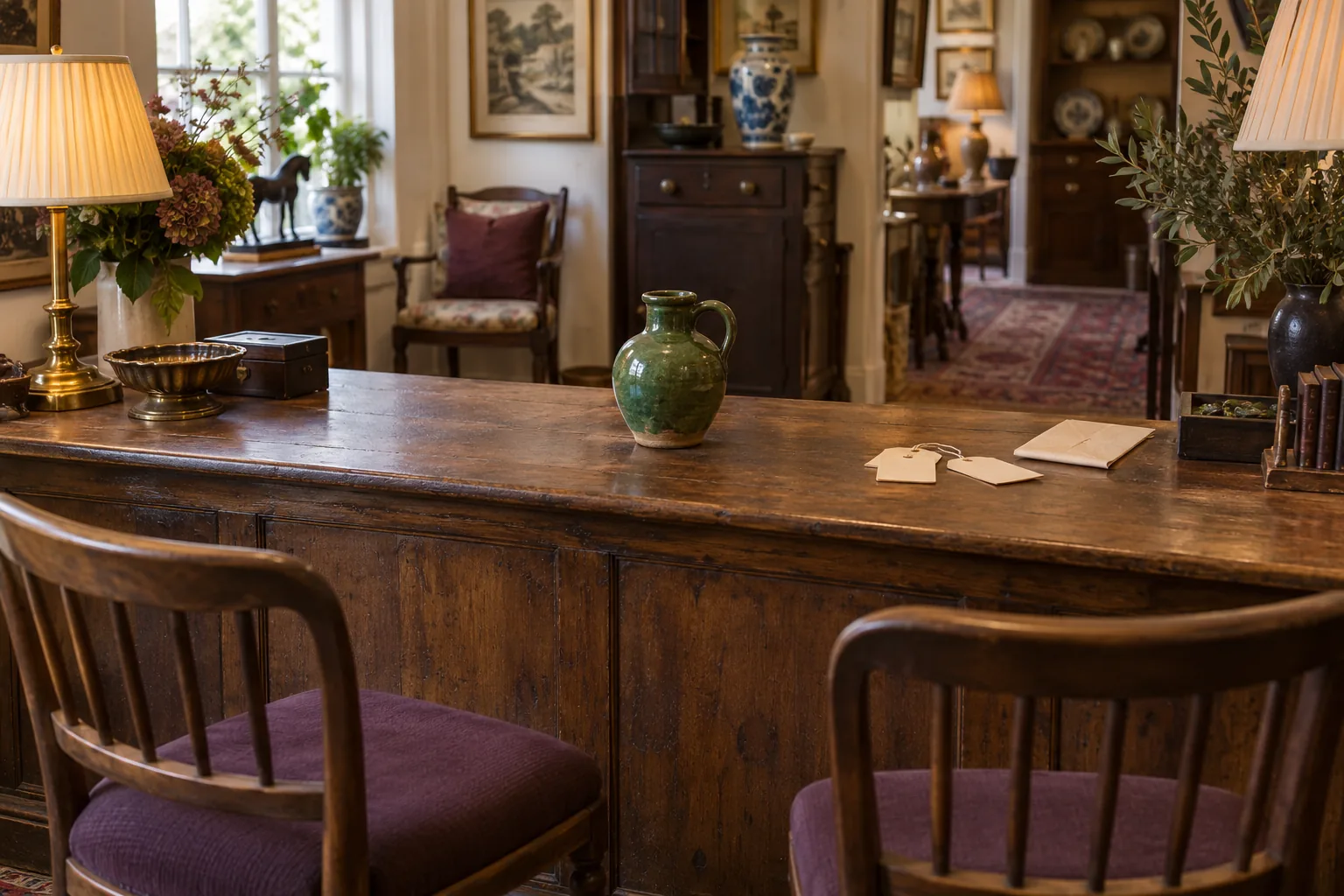
09Discussing a price without making the conversation uncomfortable
Be clear, polite and prepared to accept an answer when asking whether there is flexibility.
 10
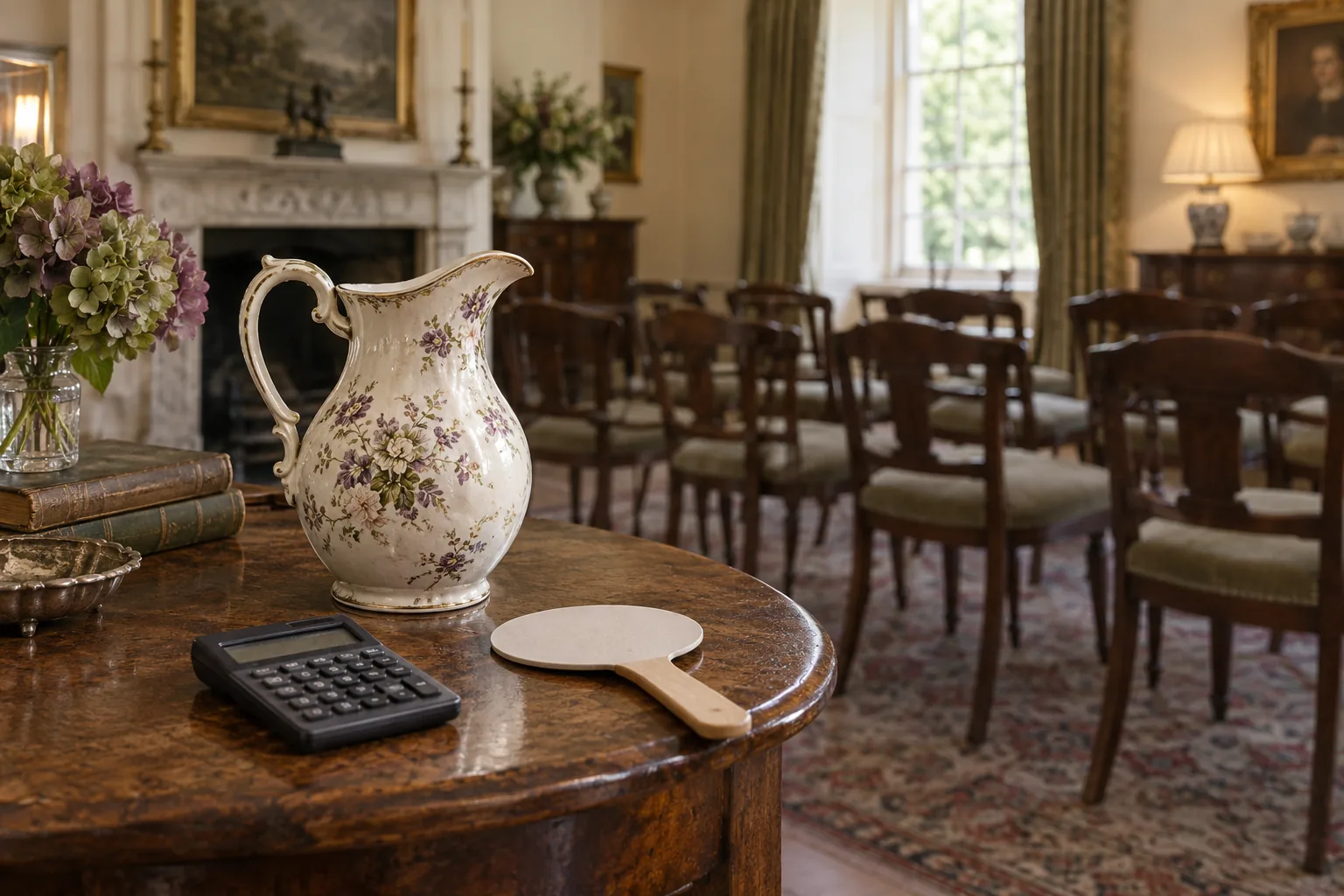
10Set an auction limit that includes the bill after the bidding
Work backwards from a comfortable total, using the actual sale charges and a clear plan for collection.
 11
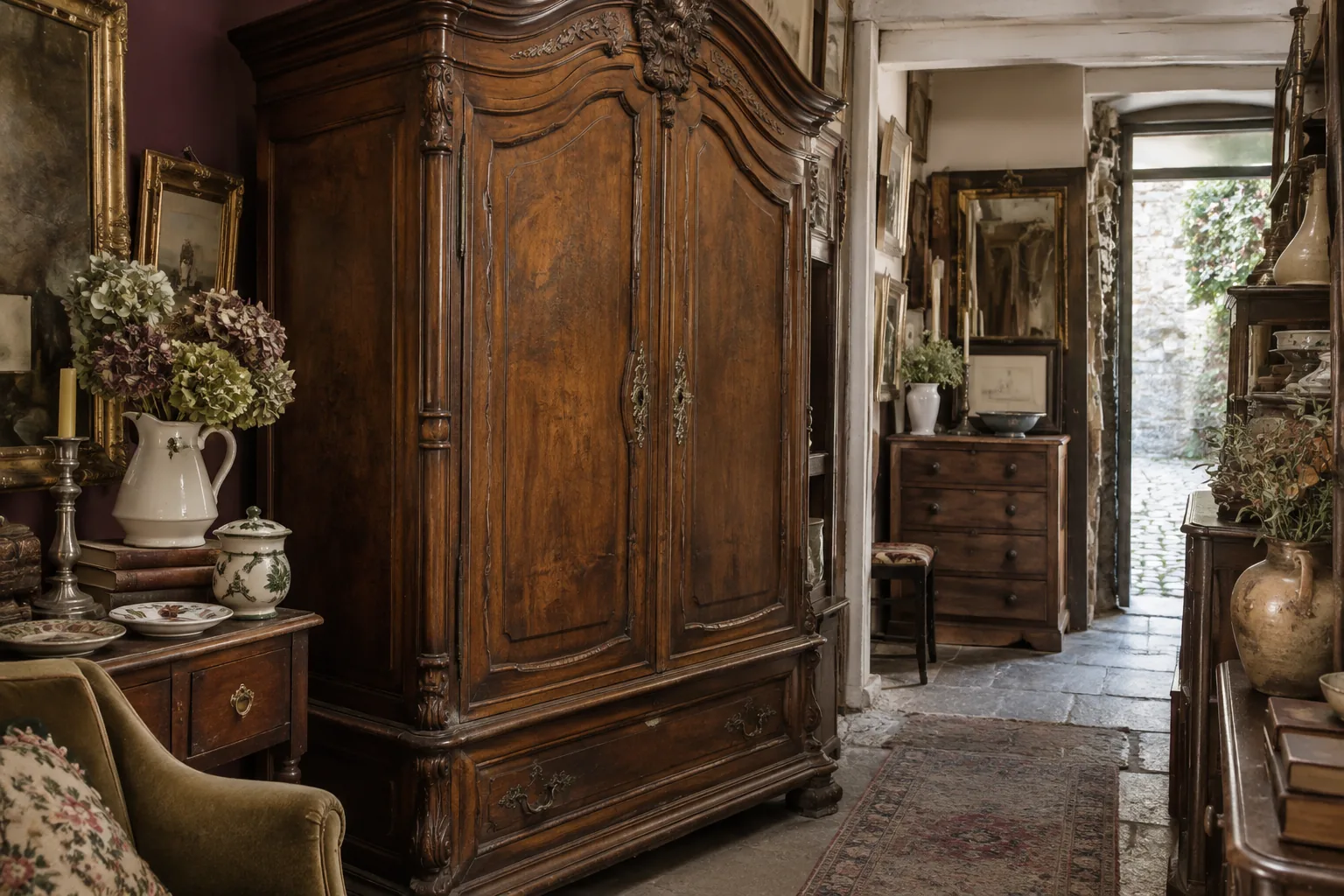
11When walking away is the better vintage find
Recognise the practical mismatches that a beautiful shape or persuasive story cannot solve.
 12
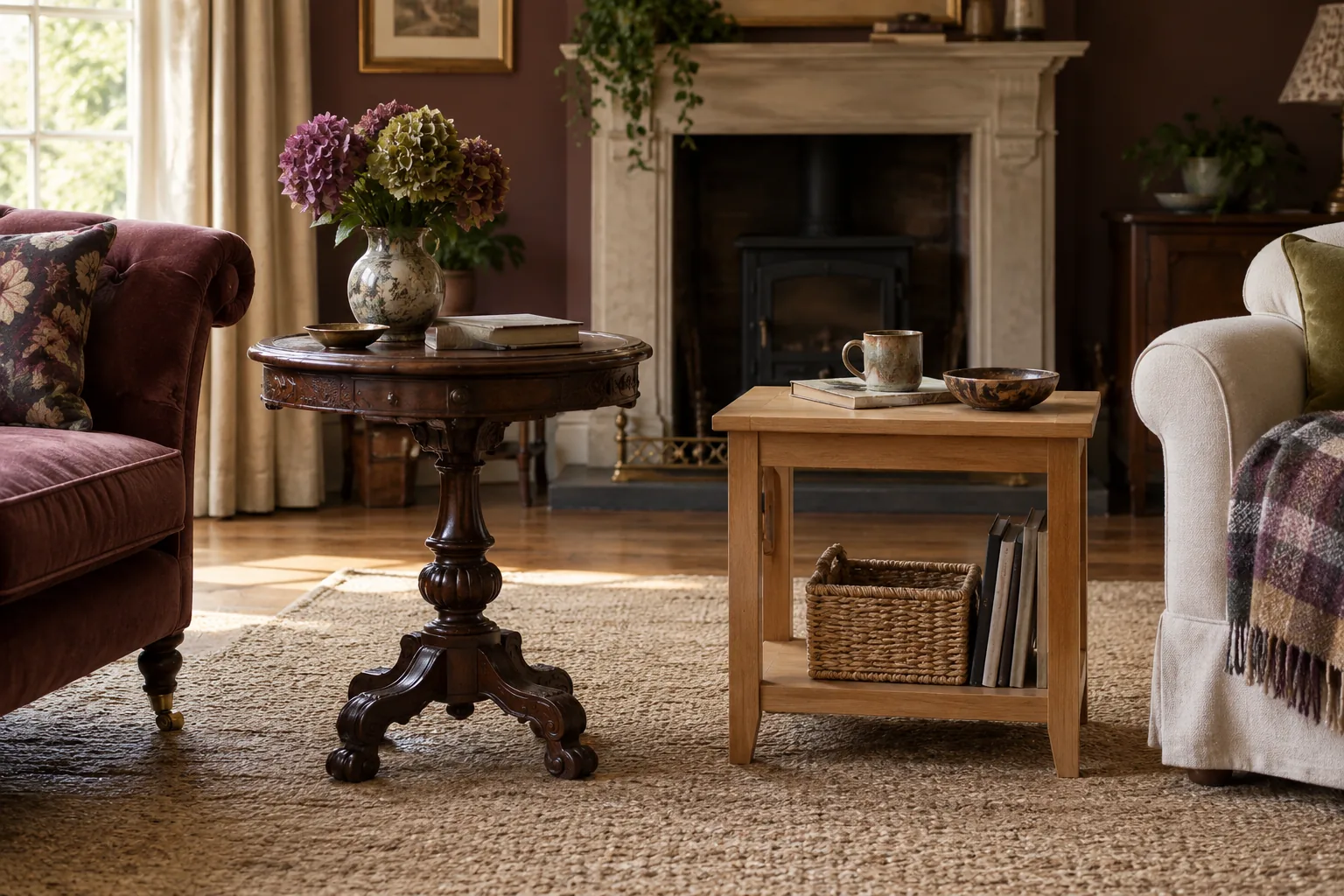
12Comparing two good pieces that are nothing alike
A practical comparison can help when one object wins on character and another makes everyday life easier.
 13
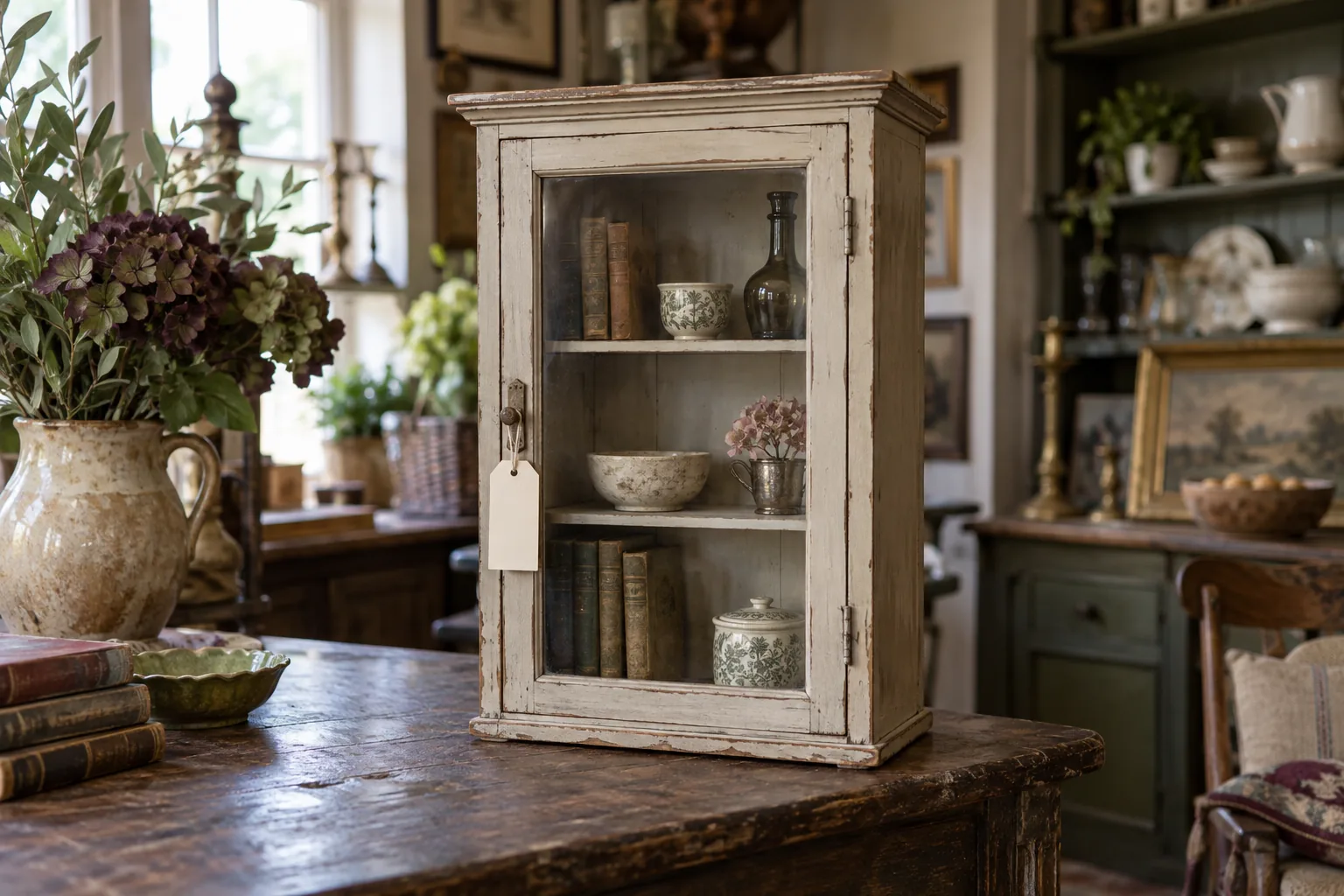
13What to clarify when a seller offers to hold an item
Make the item, timing, payment and next step explicit so that a helpful arrangement stays easy to understand.
 14
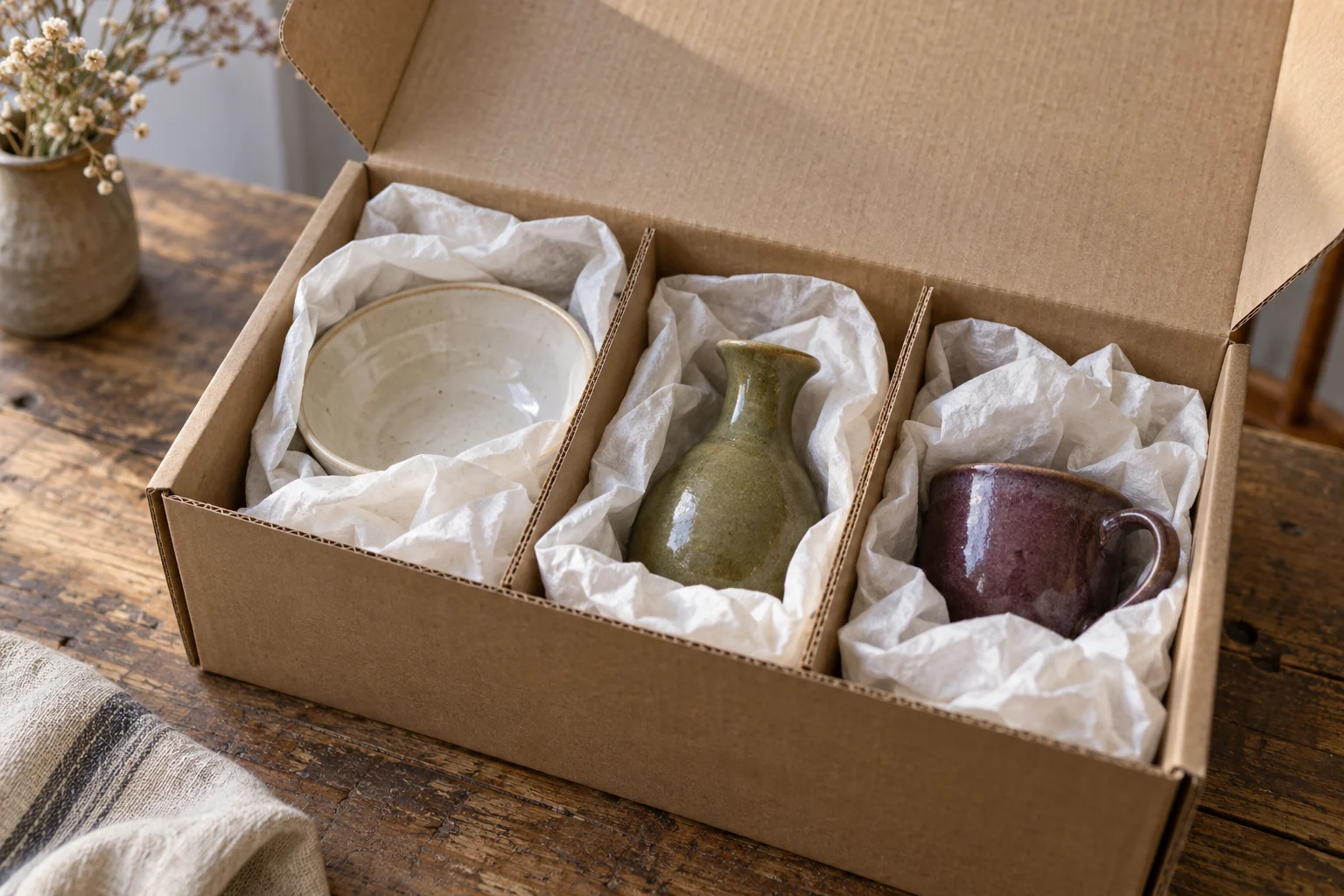
14Arrange collection before it becomes the difficult part
Agree the practical details with the seller and collector so that the object, people and timing all match the plan.
 15
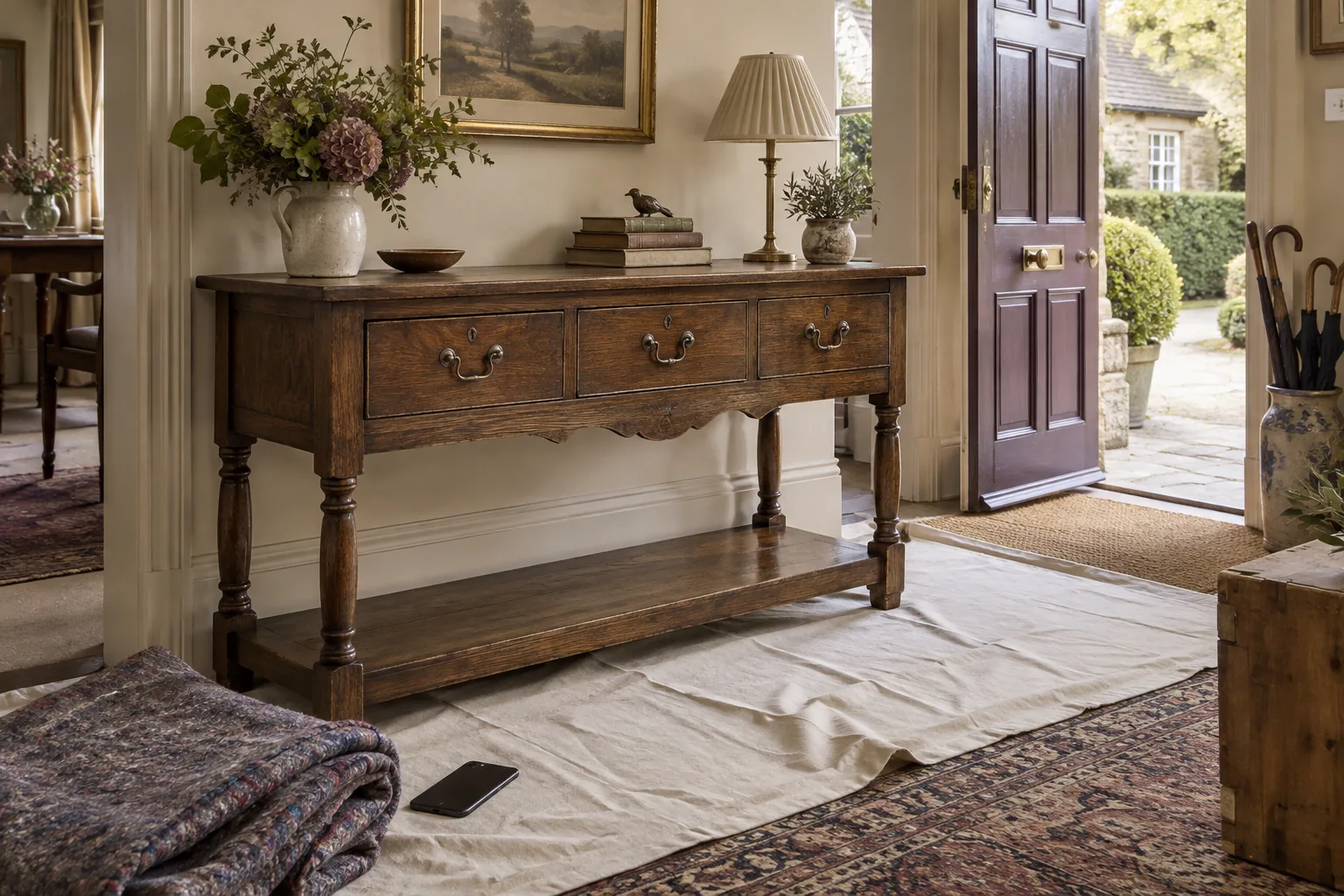
15A calm record of a vintage delivery handover
Prepare the relevant details, compare the item with your records and document concerns without turning arrival into a confrontation.
 16
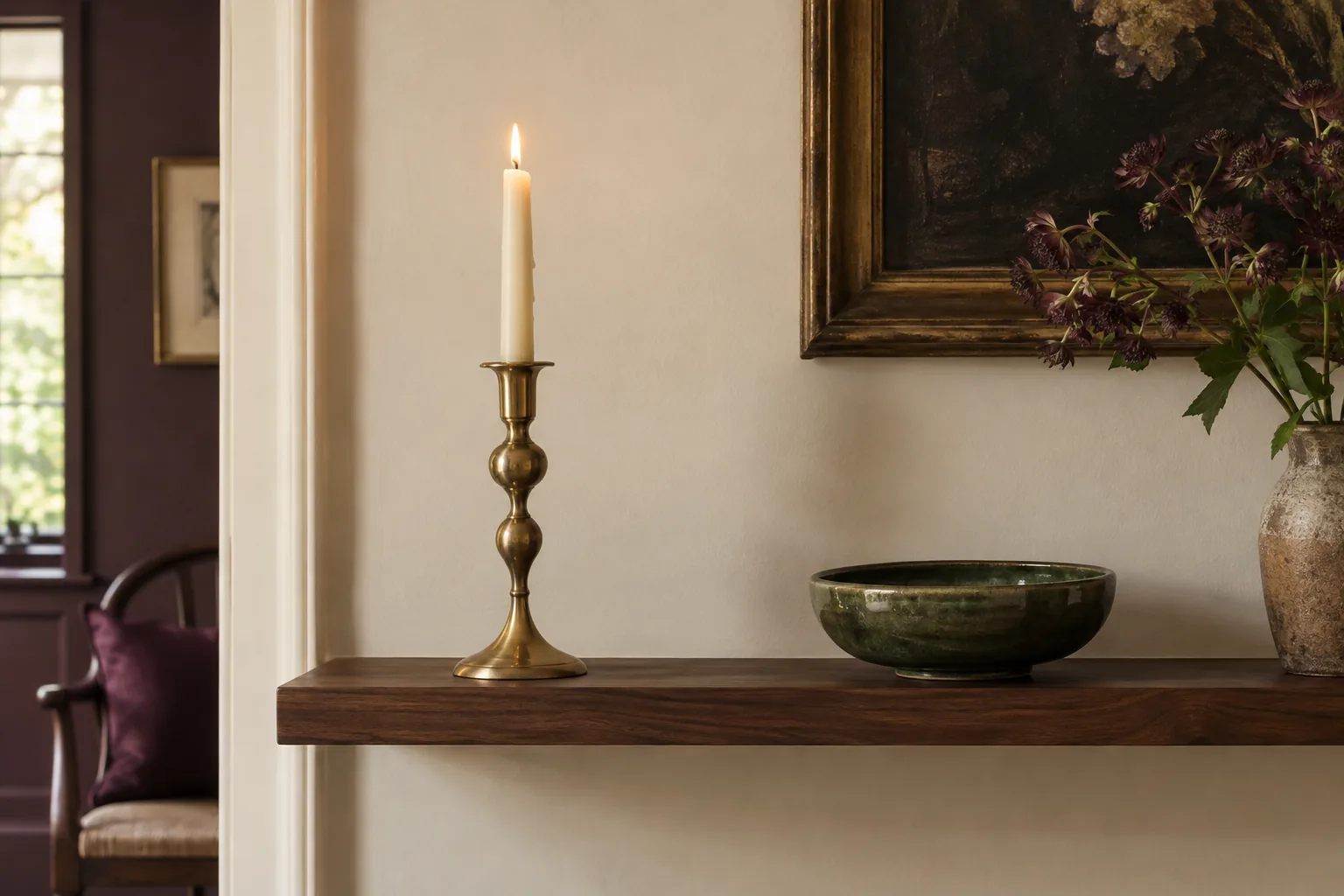
16When one half of a pair is enough
Judge a single chair, lamp or decorative object on its own role instead of assuming it needs a matching companion.
 17
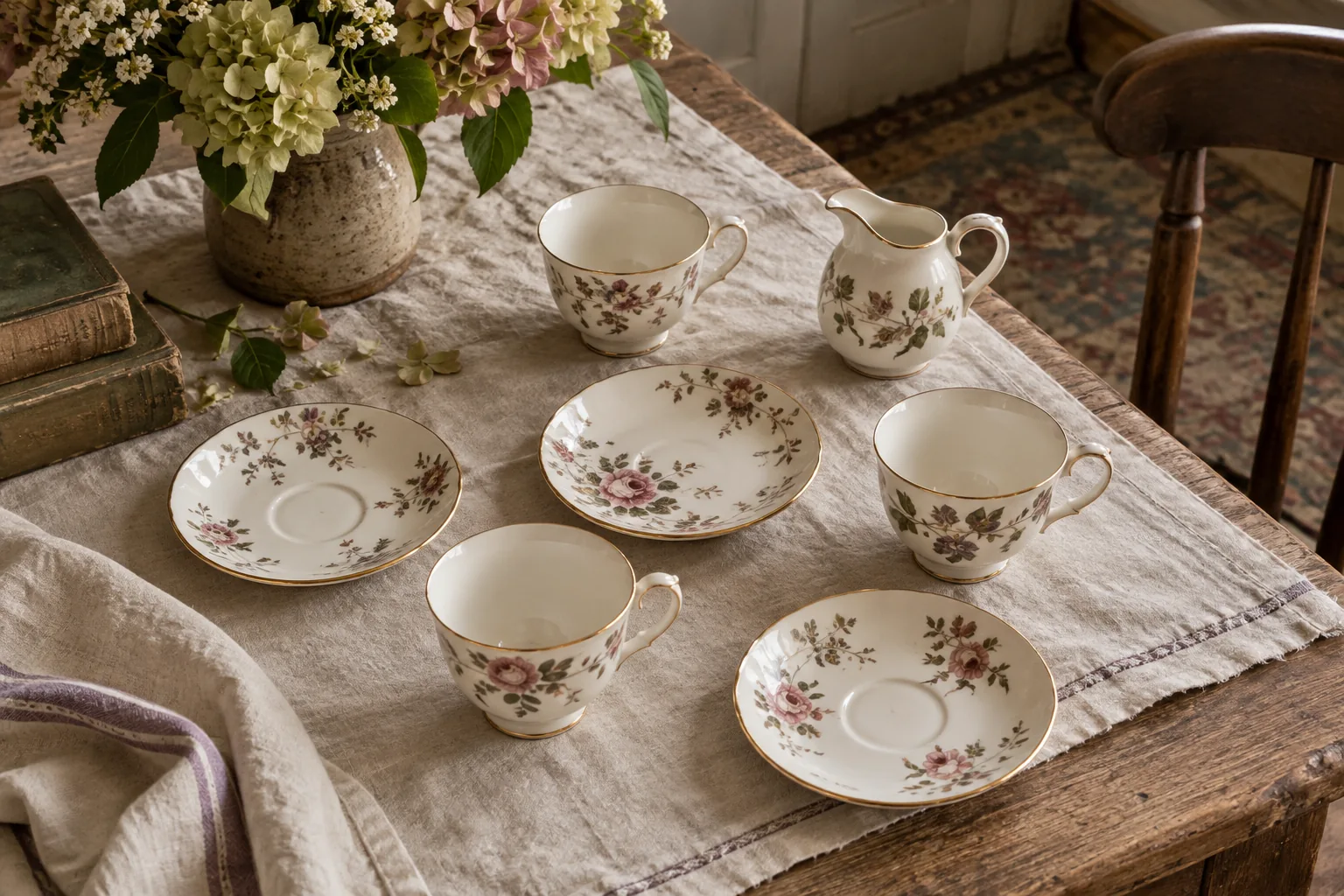
17An incomplete set can still be a complete purchase
Count what is present, decide how it will be used and avoid buying a permanent search for missing pieces.
 18
18Vintage shopping with a friend whose taste is not yours
Use another person's eyes for useful questions without handing over the decision about what belongs in your home.
 19
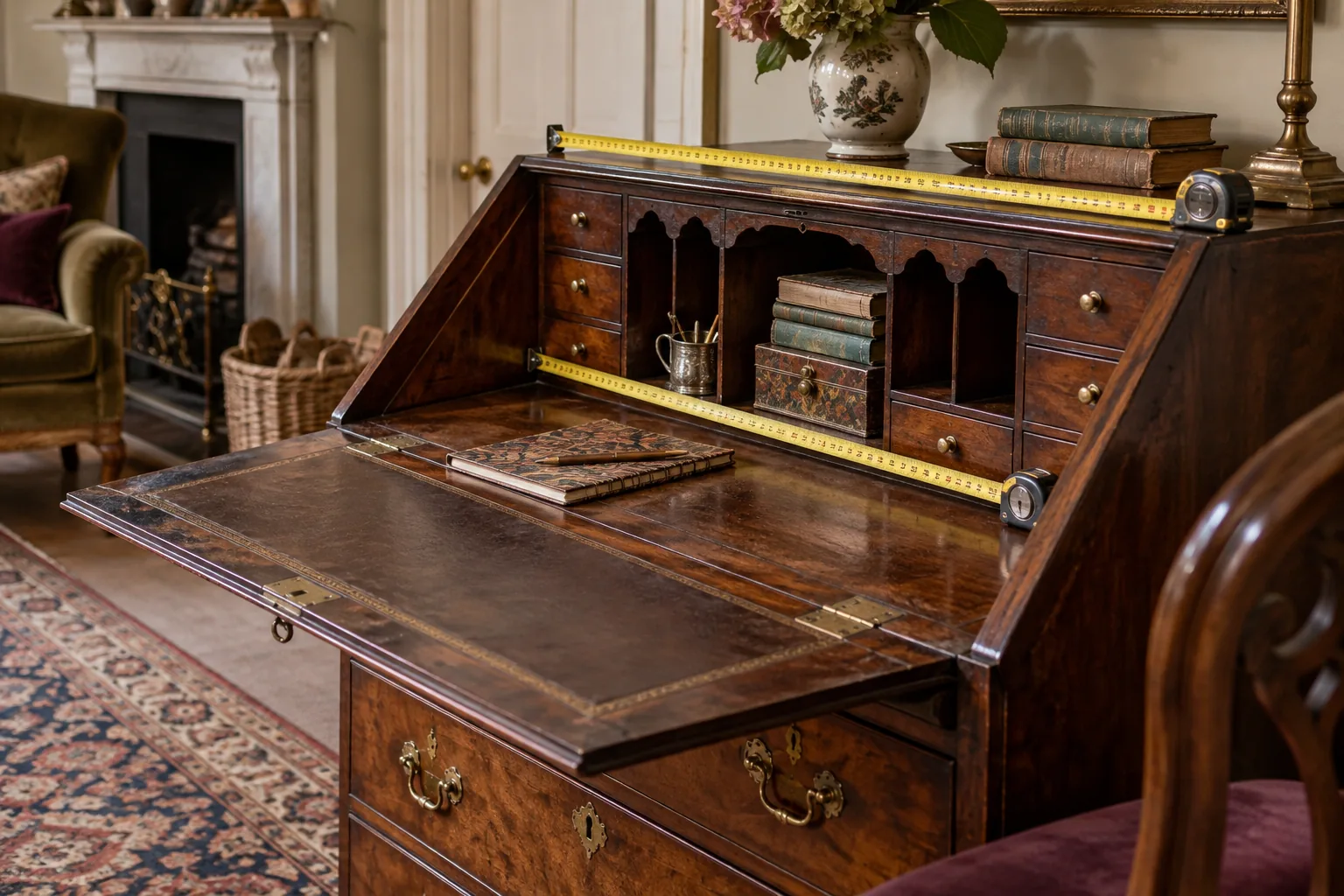
19When a listing's dimensions leave too much to guess
Clarify the order, units and measuring points before a reassuring set of numbers becomes an unwelcome surprise.
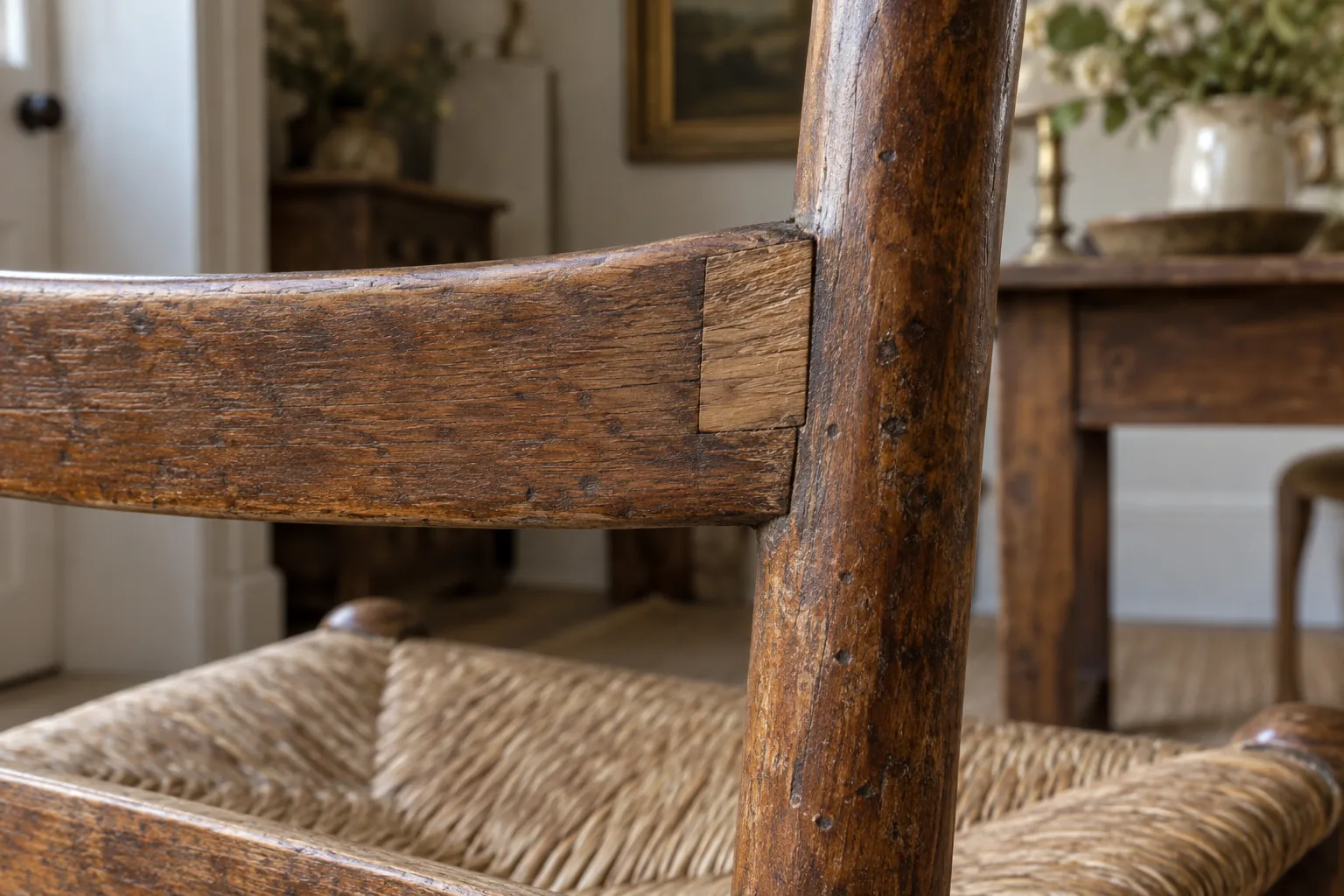 20
20Ask about past repairs without expecting a complete biography
Find out what is known, which work affects the intended use and where specialist assessment may be needed.
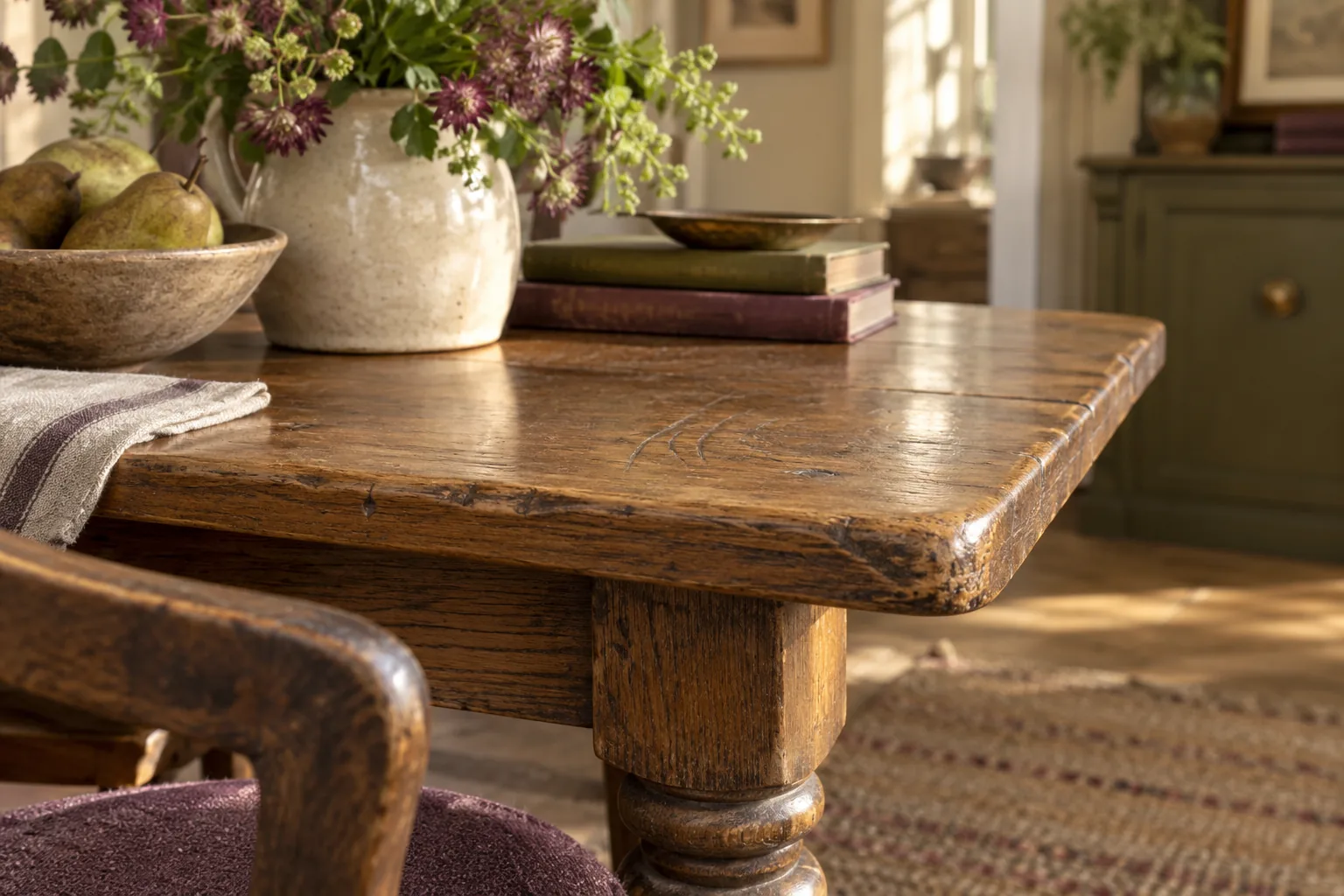 21
21Which signs of wear will you actually enjoy living with?
Set personal condition boundaries before a seller's description persuades you to accept something that will keep bothering you.
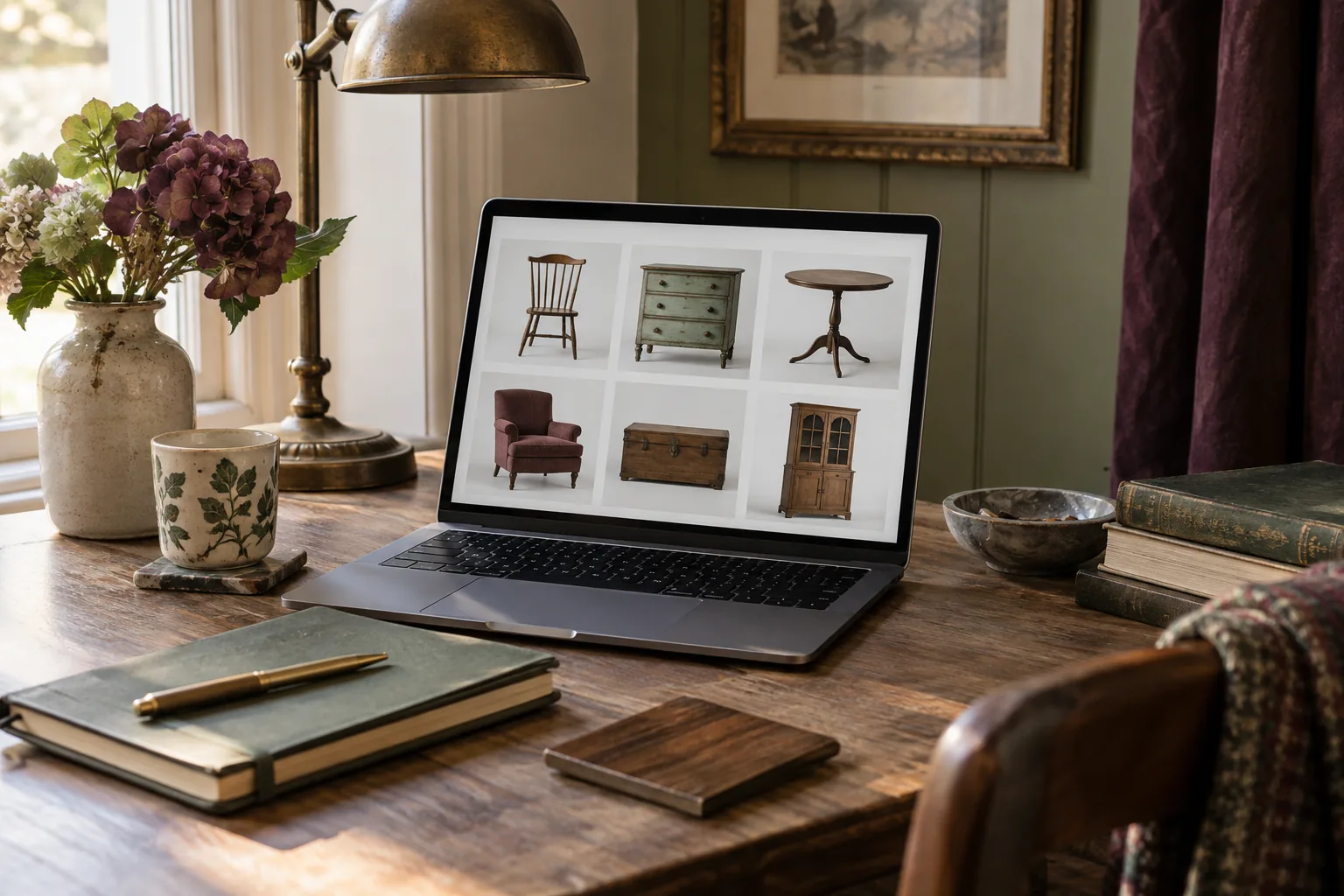 22
22Searching vintage listings without getting lost
Use a small set of useful terms, practical filters and saved notes to turn endless scrolling into a clearer search.
 23
23Give an impulse find a practical pause
A brief check of place, purpose and unresolved questions can preserve the excitement while improving the decision.
 24
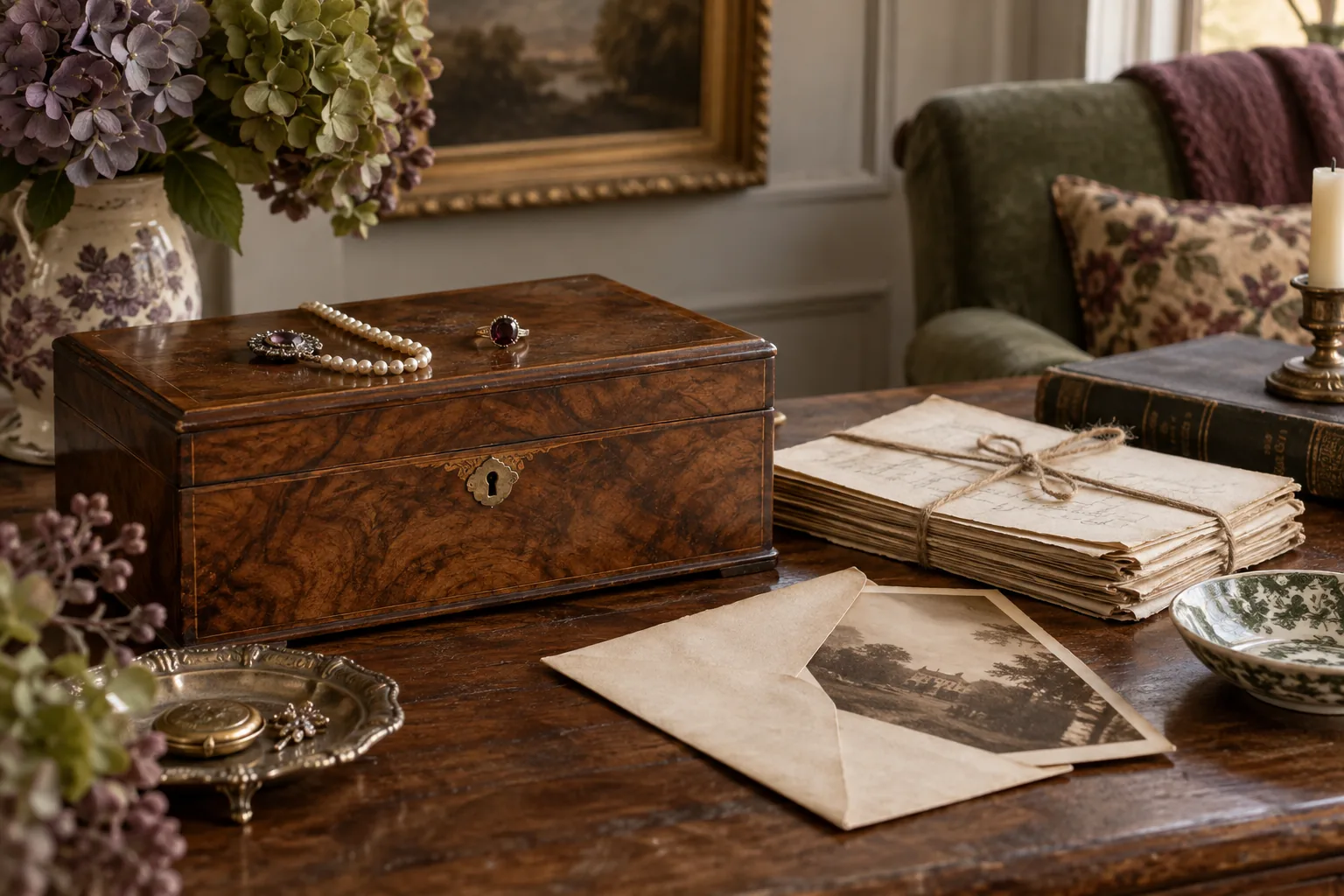
24A good story is not the same as documented provenance
Keep ownership history, attribution and appealing anecdotes distinct when deciding what a seller's account really establishes.
 25
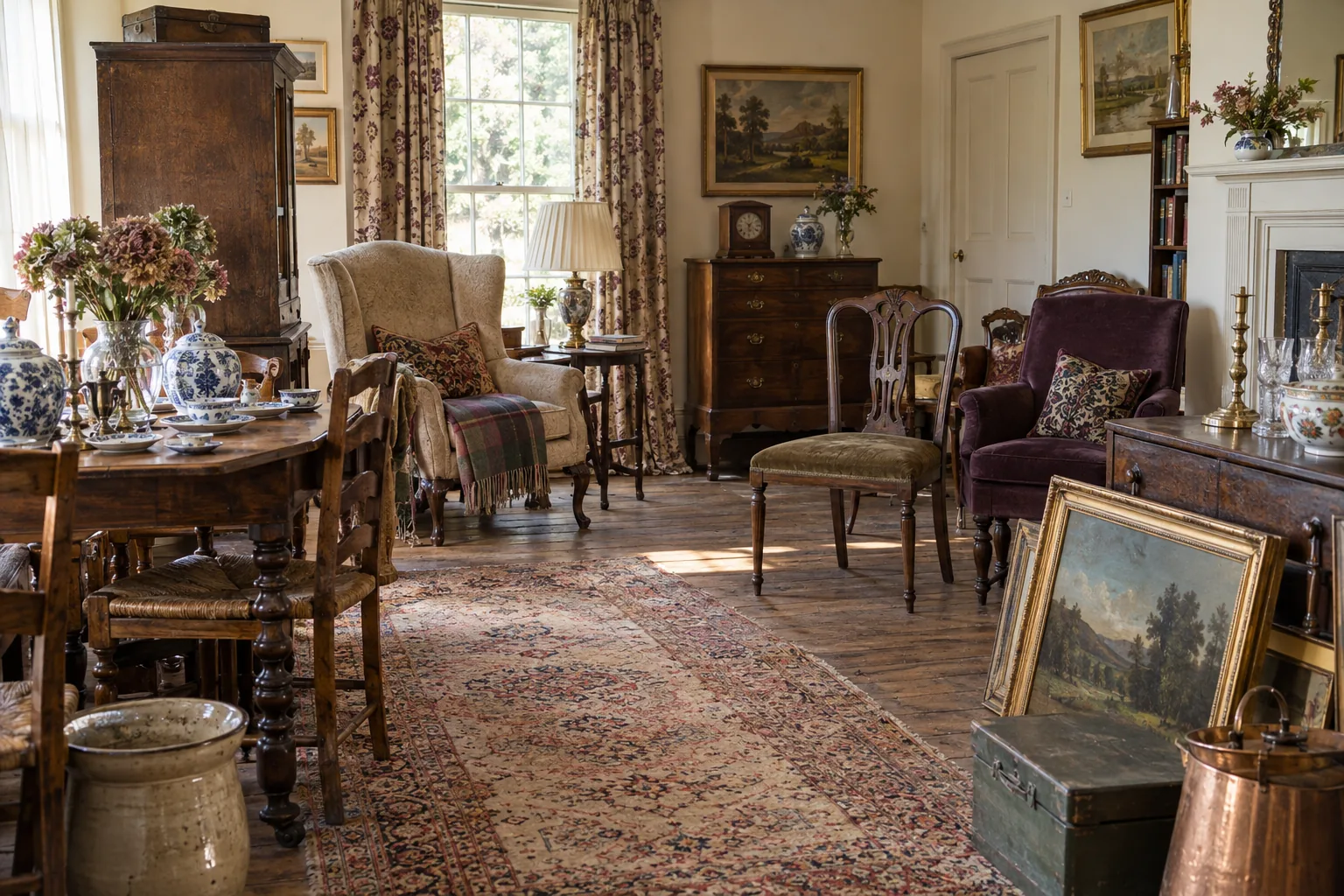
25Looking through a house-clearance mixture with a clear head
Stay focused on individual objects and sale arrangements when a room or group contains more possibilities than you can assess at once.
 26
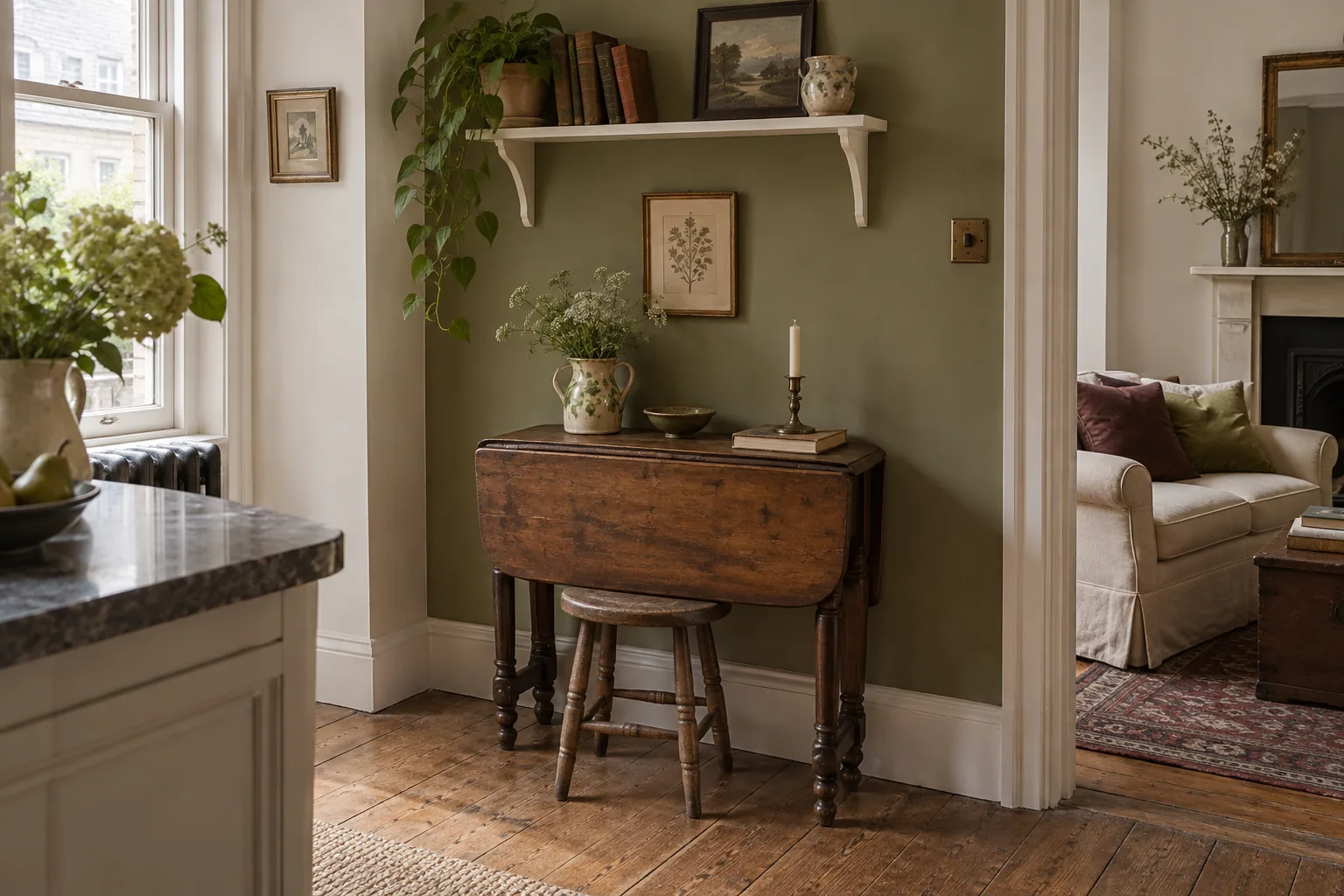
26A vintage wish list for a home with very little spare space
Give each potential purchase a defined role and a realistic place before it joins the list.
 27
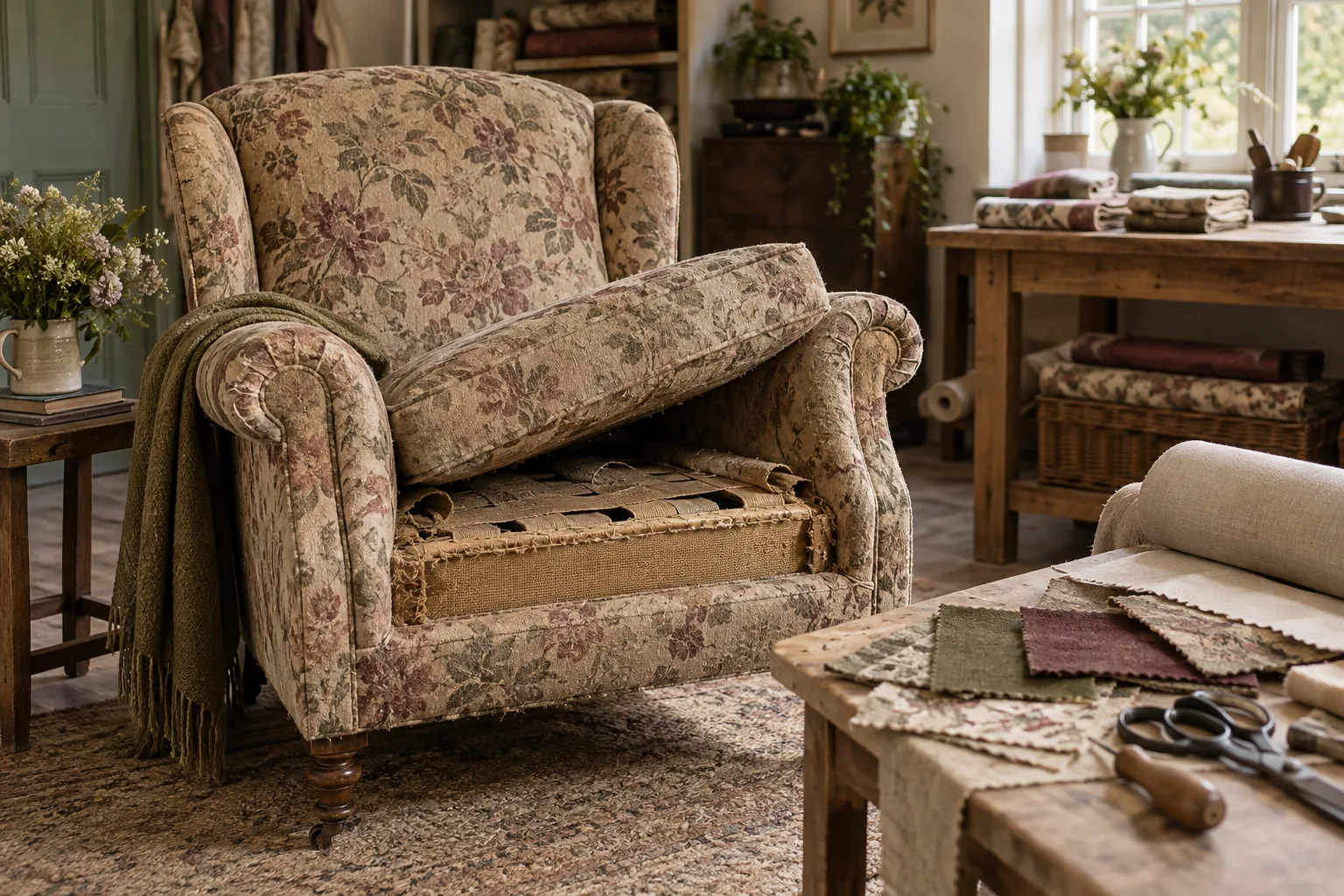
27Before buying the chair that 'just needs new fabric'
Ask an upholsterer about the whole project before treating the visible covering as the only work involved.
 28
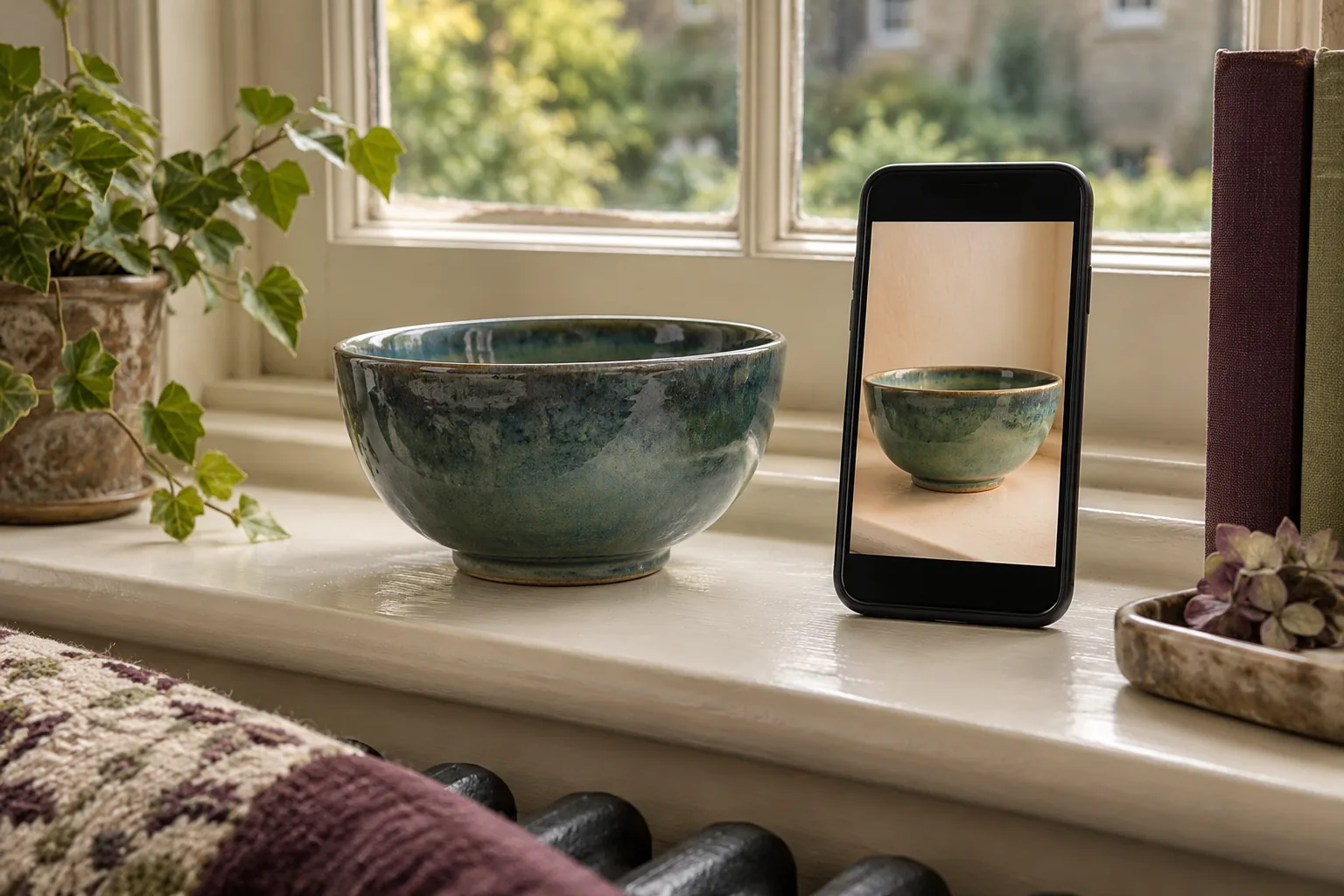
28The colour on your screen is a clue, not a match
Use several kinds of evidence when timber, glaze or fabric colour is important to the buying decision.
 29
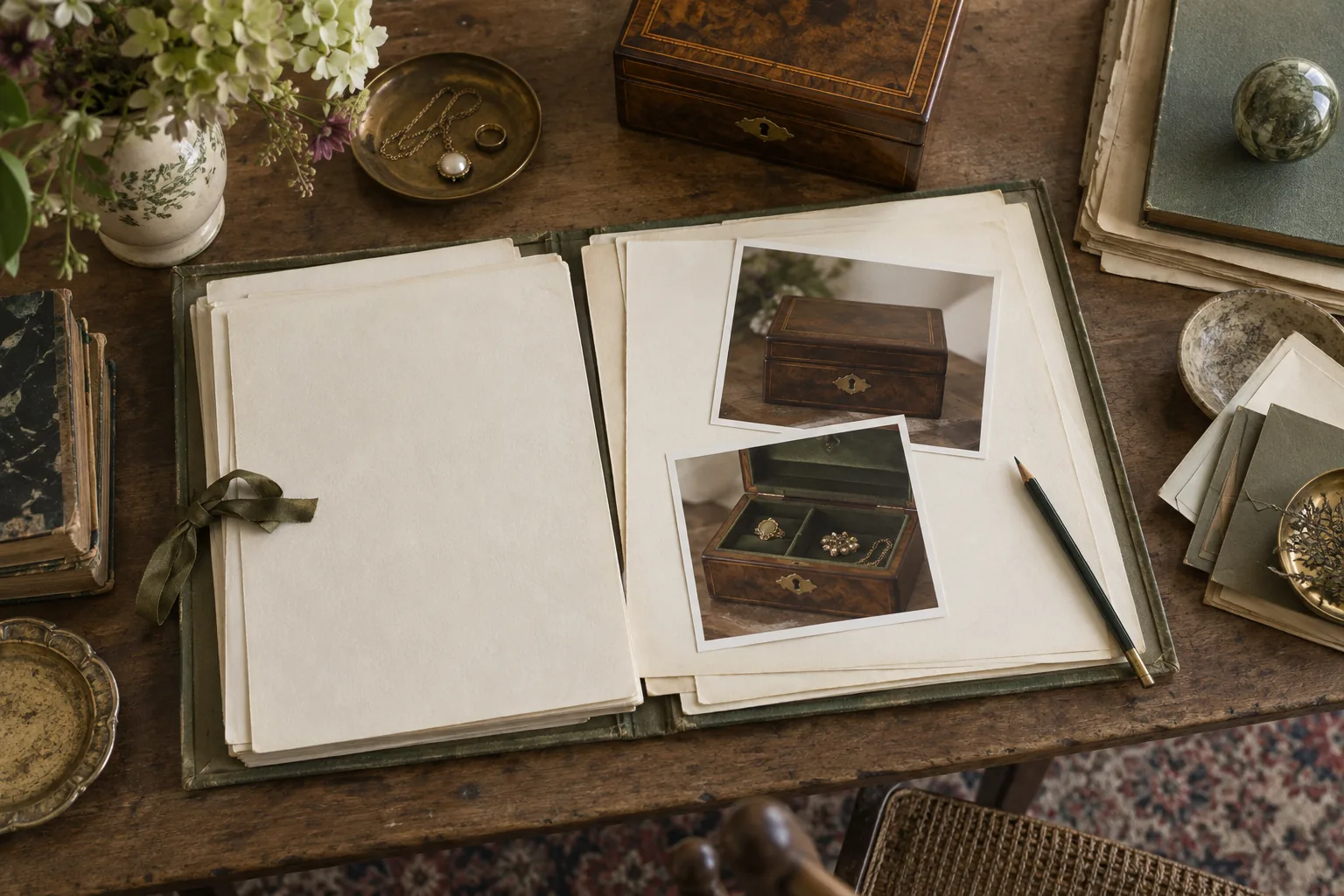
29A useful record for every vintage purchase
Keep the description, condition and practical details together so that the object's history does not disappear into old messages.