Objects & Collecting
A good collection begins with noticing. Explore shape, colour, condition and the pleasure of bringing ordinary, interesting objects together.
The reading list
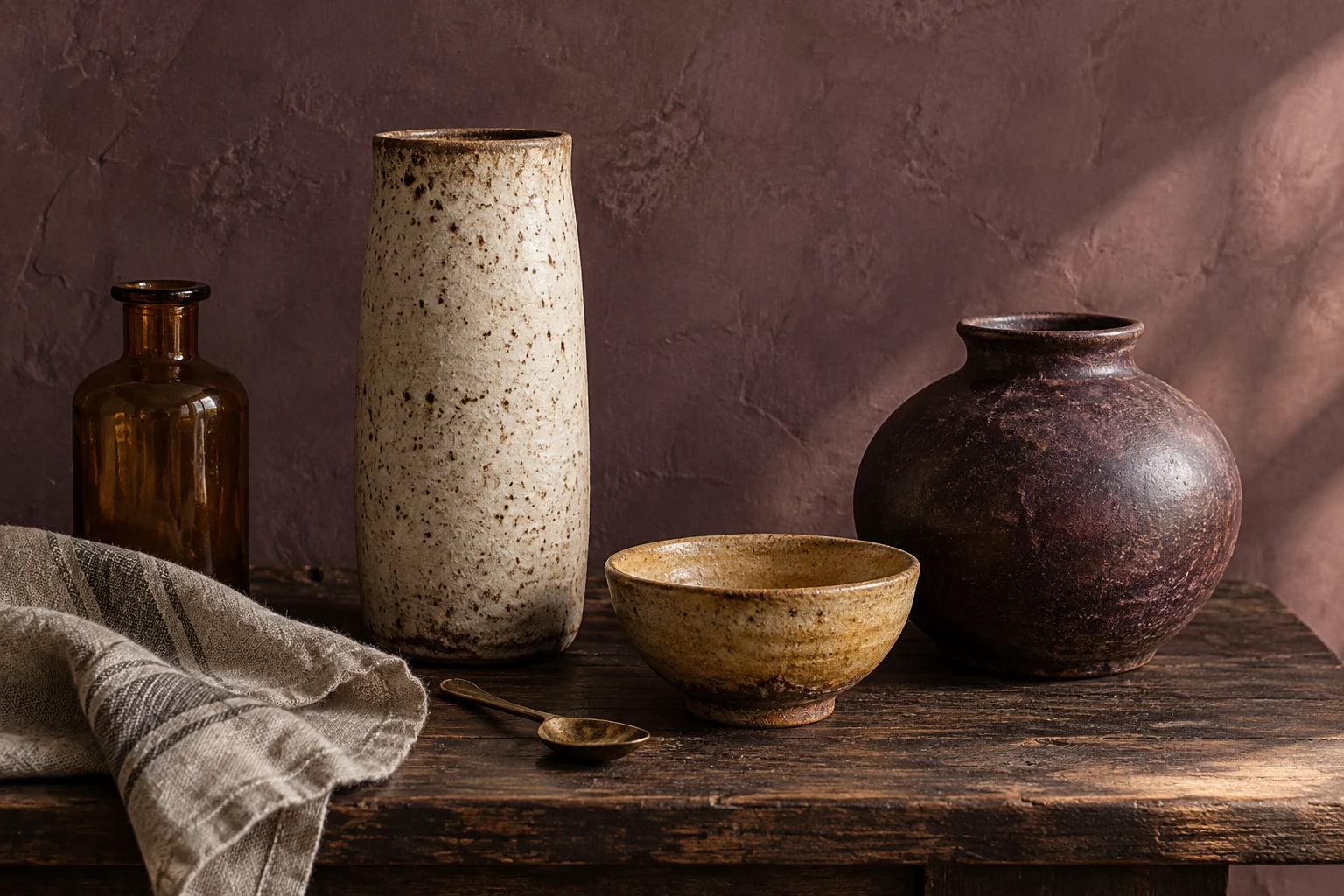
Take your time01A pottery shelf that feels collected, not crowded
Let a few well-chosen shapes do the work, with enough space to notice what makes each one different.
 02
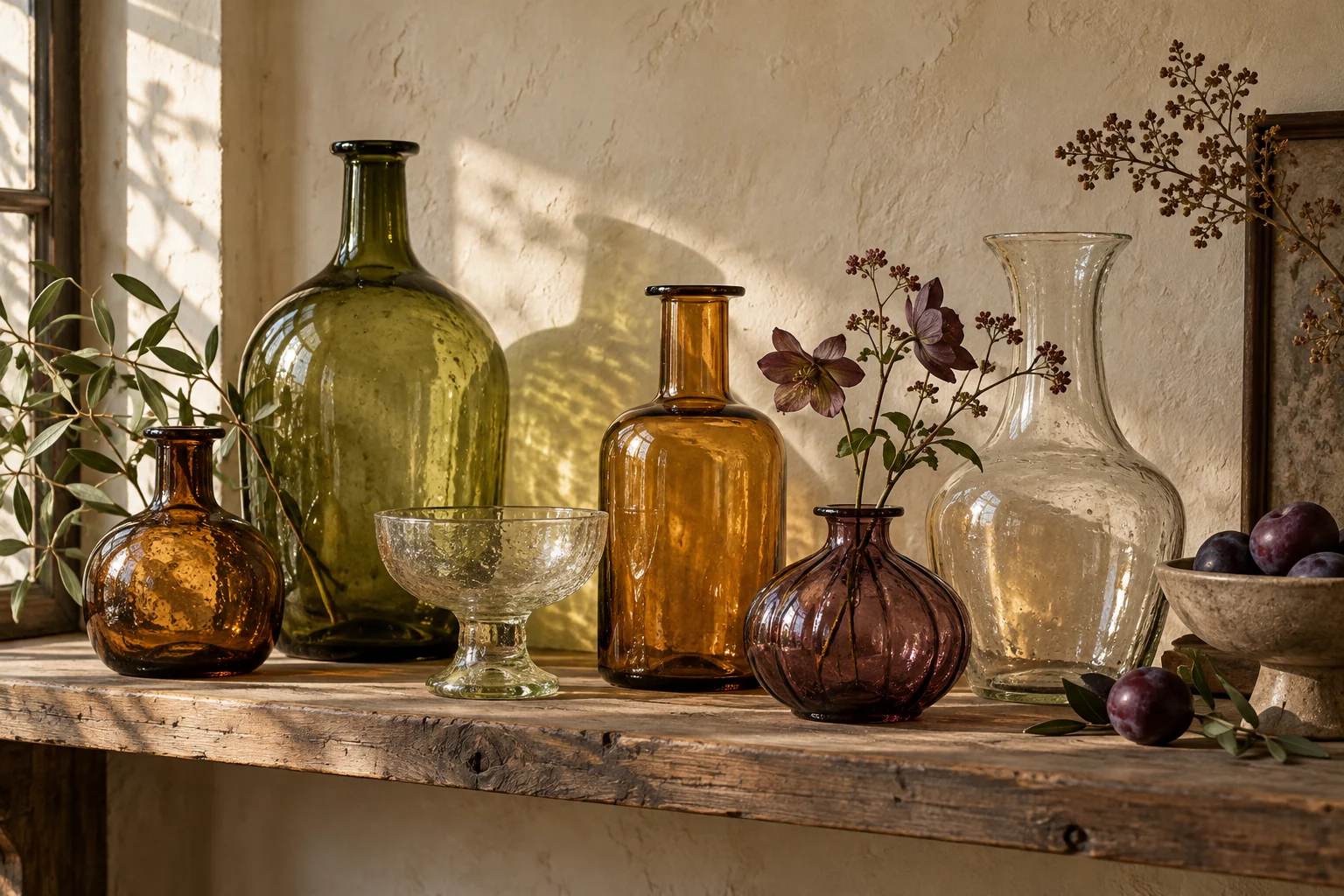
02Choose vintage glass by silhouette first
A practical way to compare bowls, bottles and vases before colour or a seller's description takes over.
 03
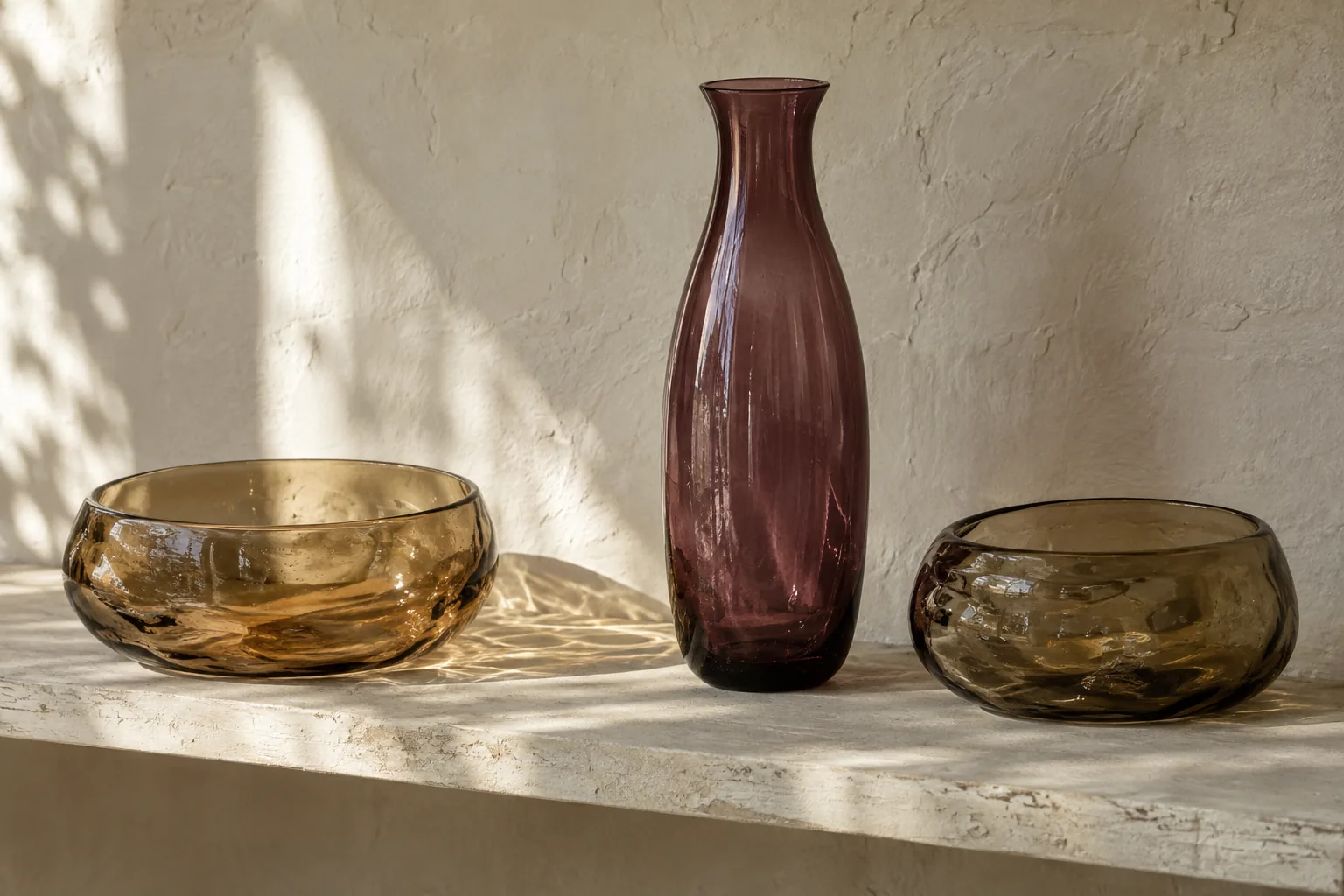
03Coloured glass without the rainbow clutter
Build a small arrangement around tone, transparency and the light your room actually receives.
 04
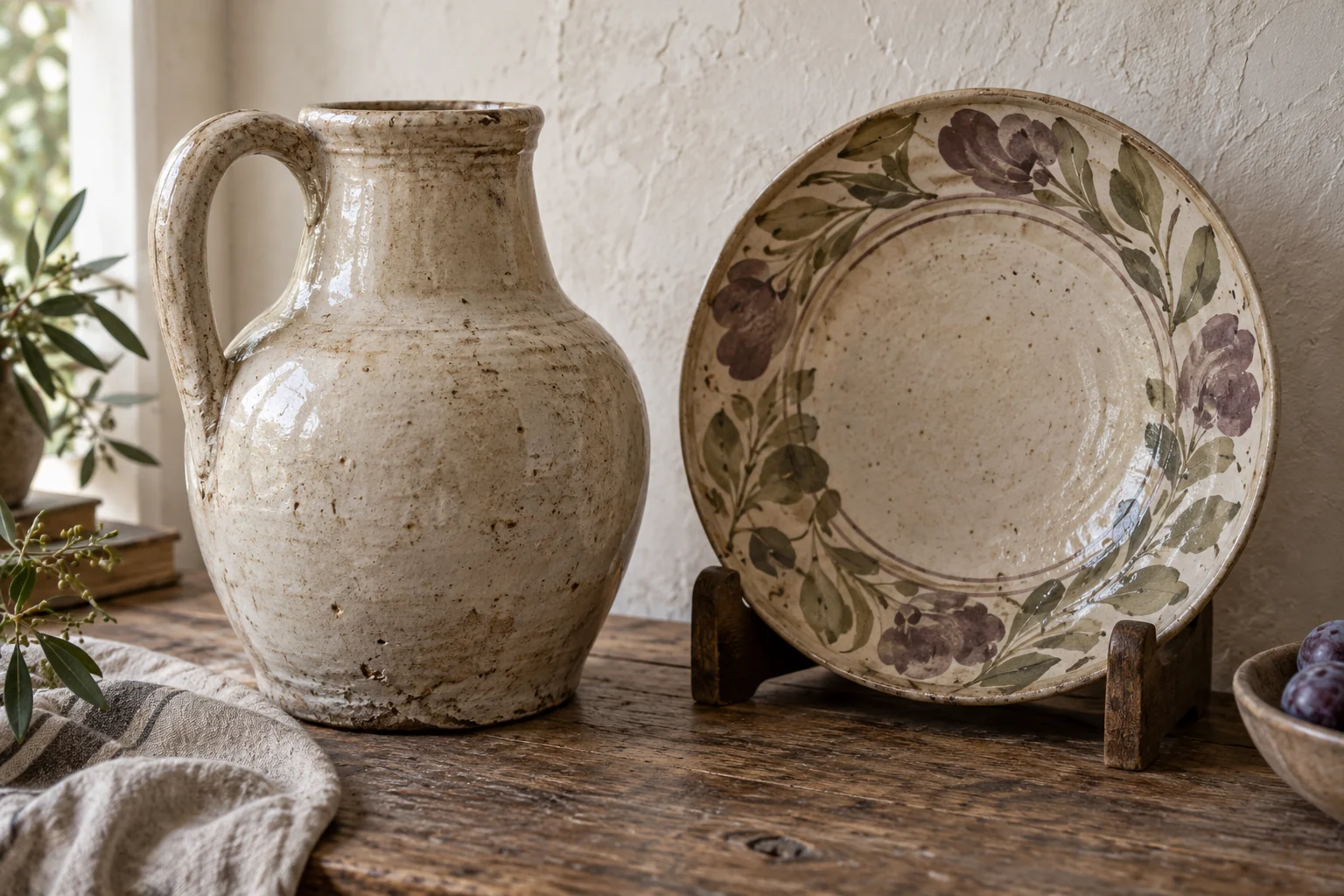
04Buying your first studio pot without chasing a famous name
Pay attention to form, surface and condition before an uncertain signature starts deciding the purchase.
 05
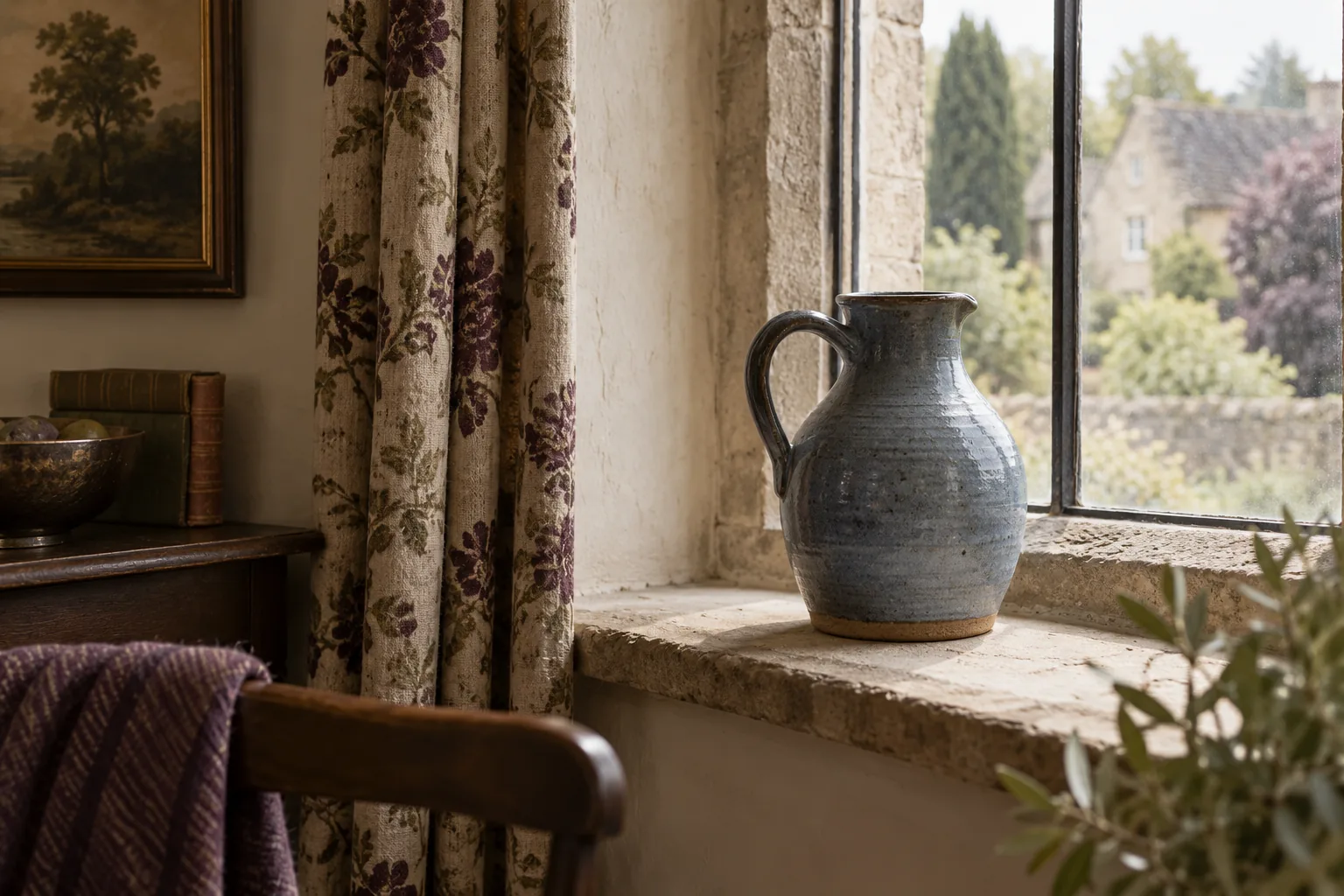
05Why an empty jug can be enough
Choose and place vintage jugs for their handles, proportions and presence, without filling every one with flowers.
 06
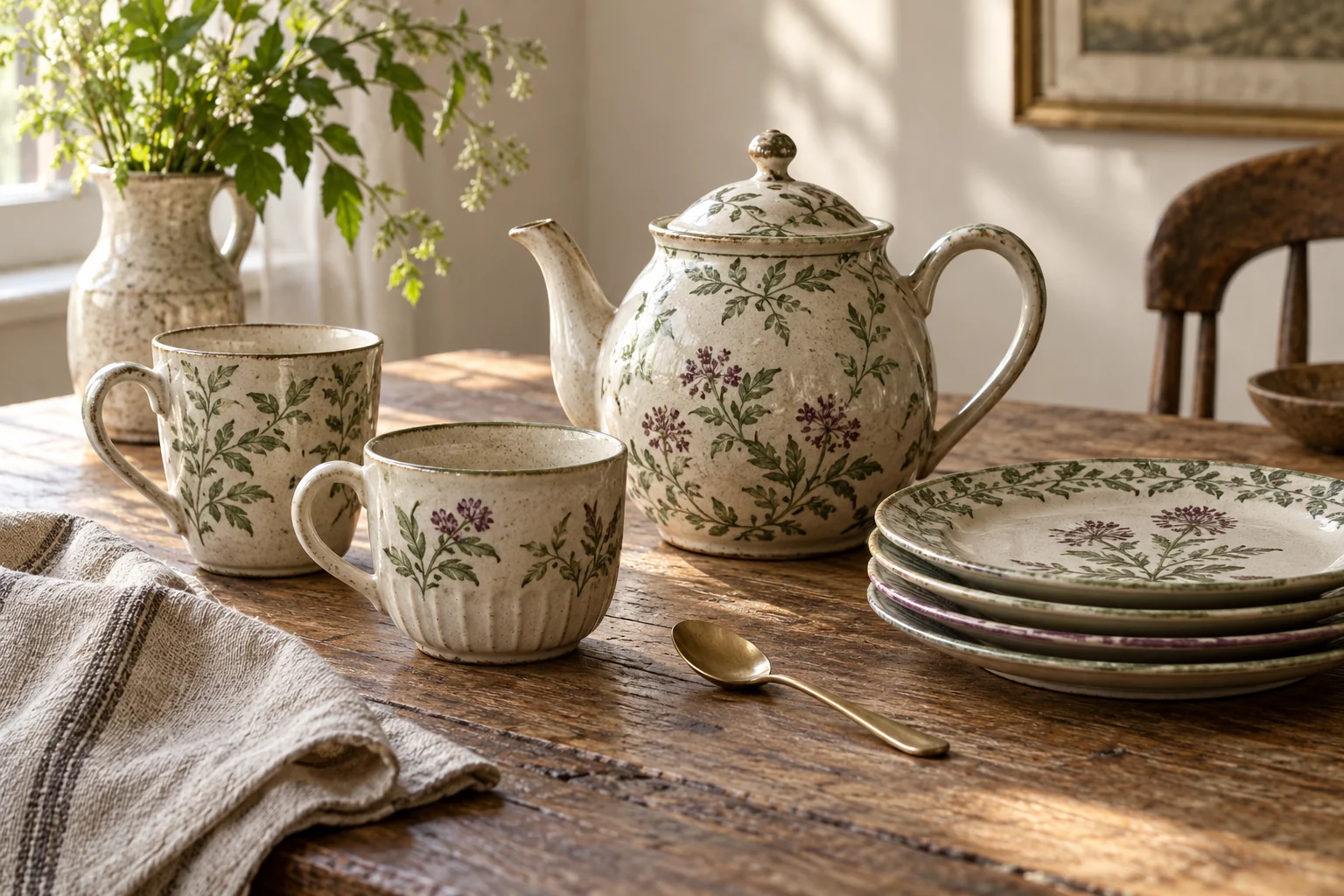
06Give a vintage platter room to be seen
Think beyond the plate rack when choosing a home for a large decorated dish.
 07
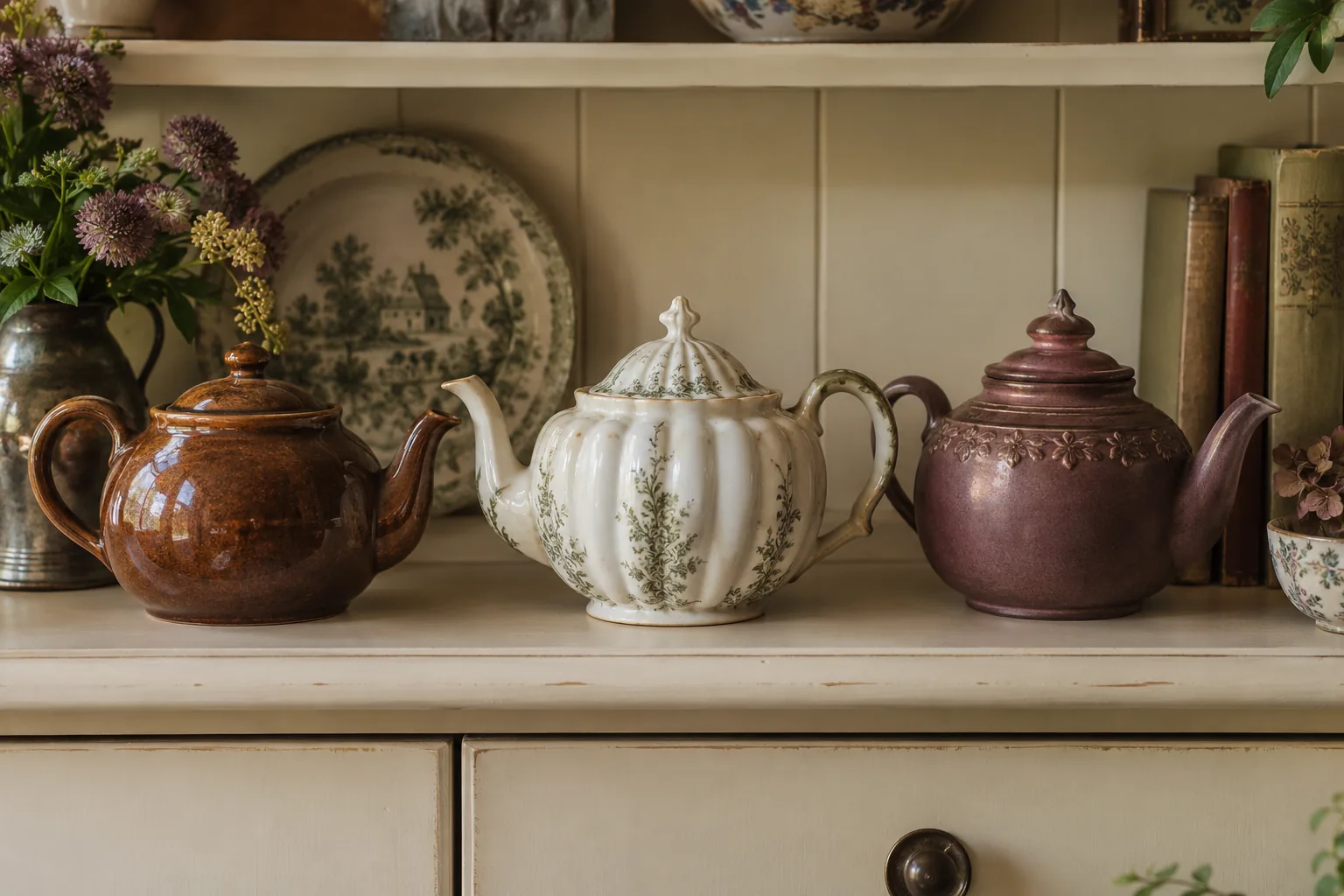
07Collecting teapots for display
A lid, a spout and a handle make a wonderful silhouette, but appearance is only one part of buying well.
 08
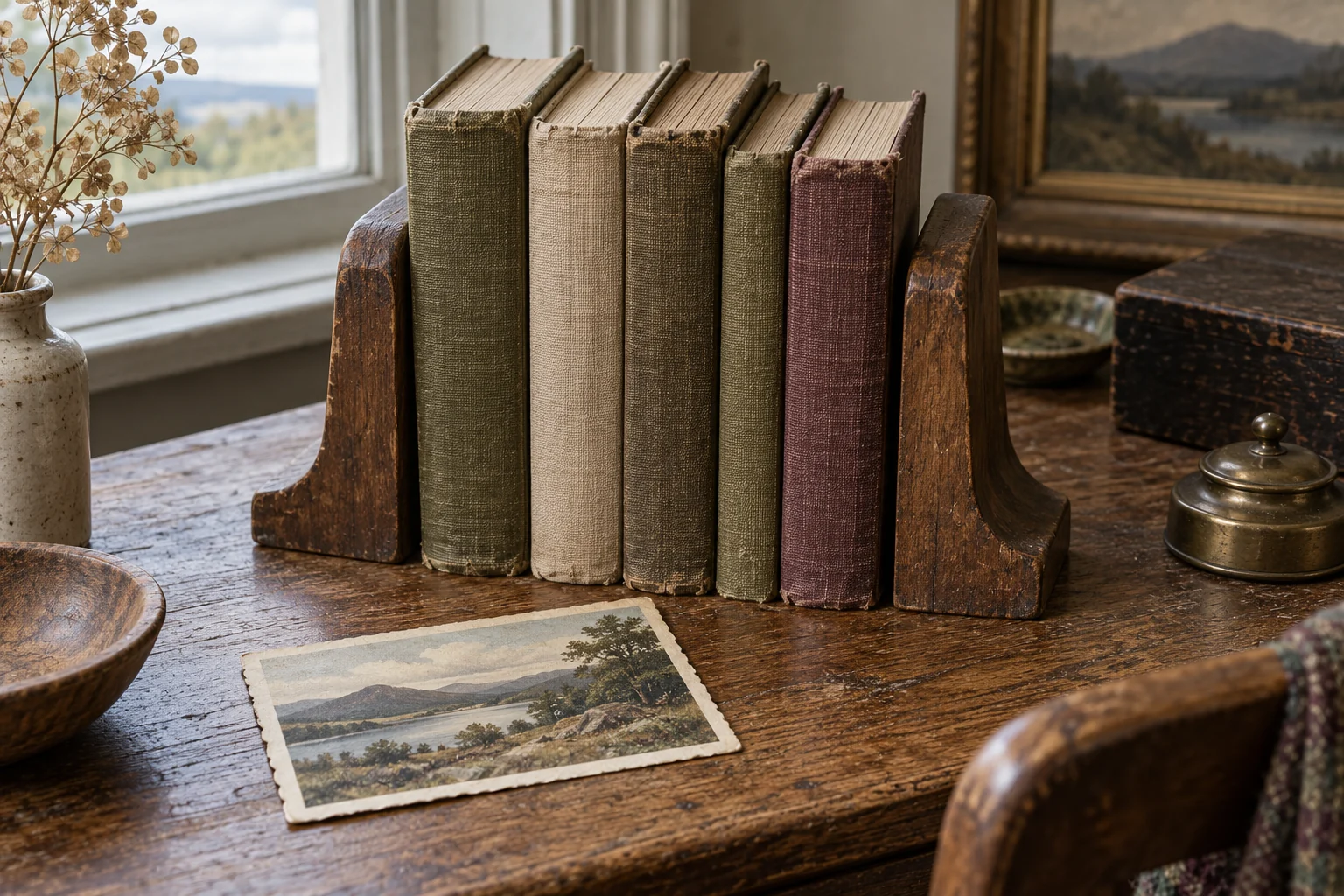
08Bookends that do more than look handsome
Balance the decorative appeal of a pair with the practical demands of the books they will support.
 09
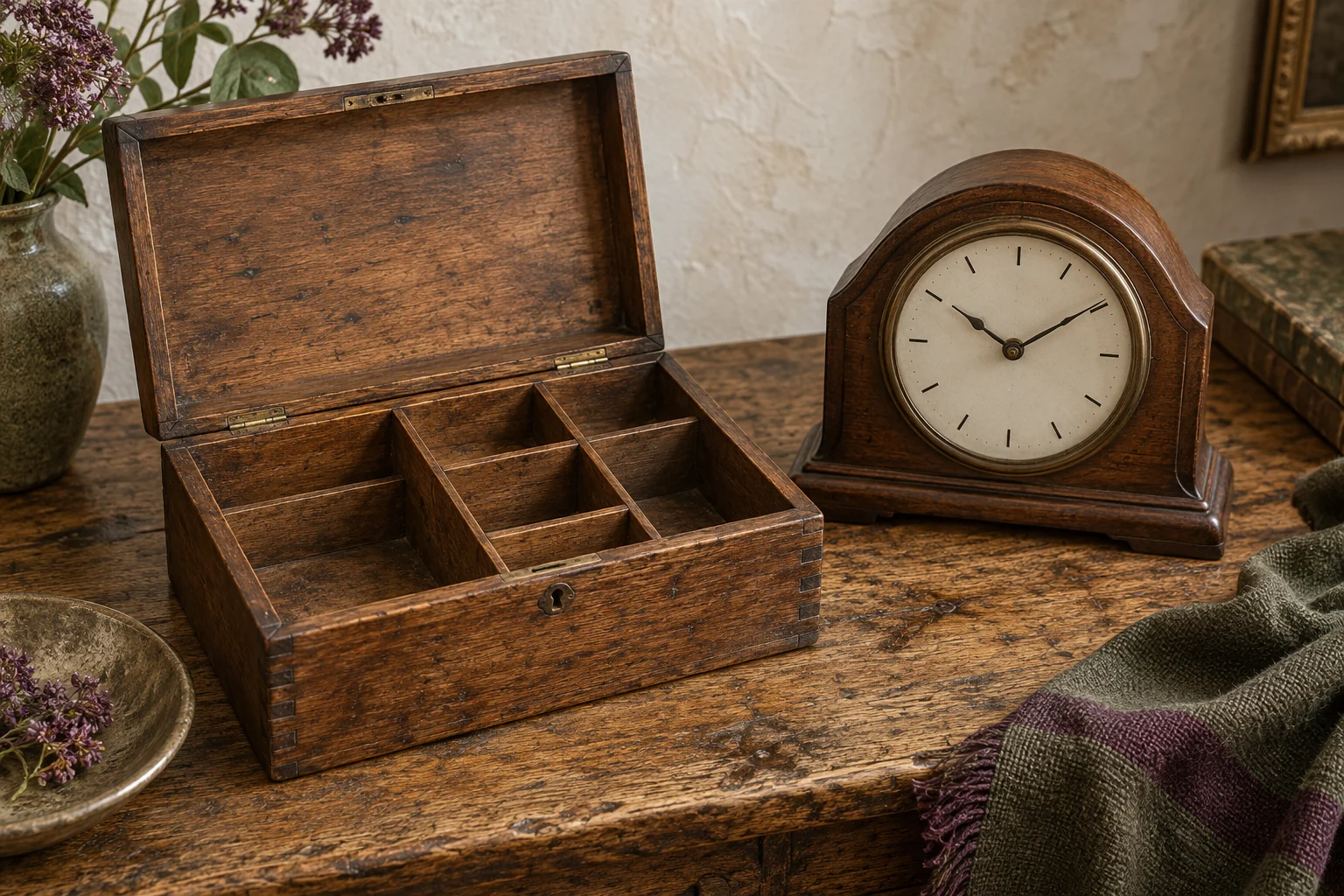
09Small boxes, useful questions
Before buying an old box, look at the hinge, interior and proportions as carefully as the decorated lid.
 10
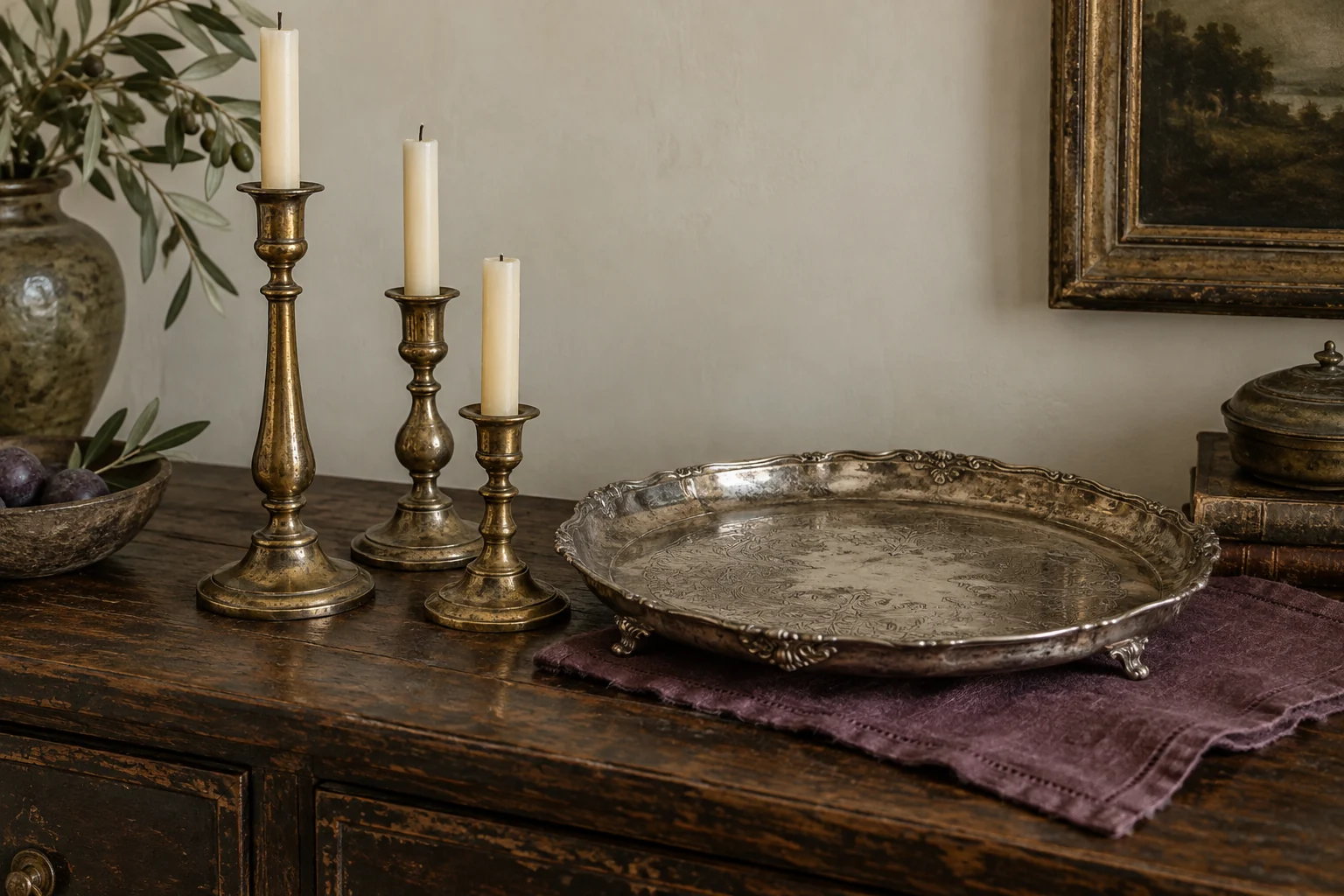
10Look at candlesticks as small sculptures
Empty candlesticks can bring height and rhythm to a room without needing to become a lighting scheme.
 11
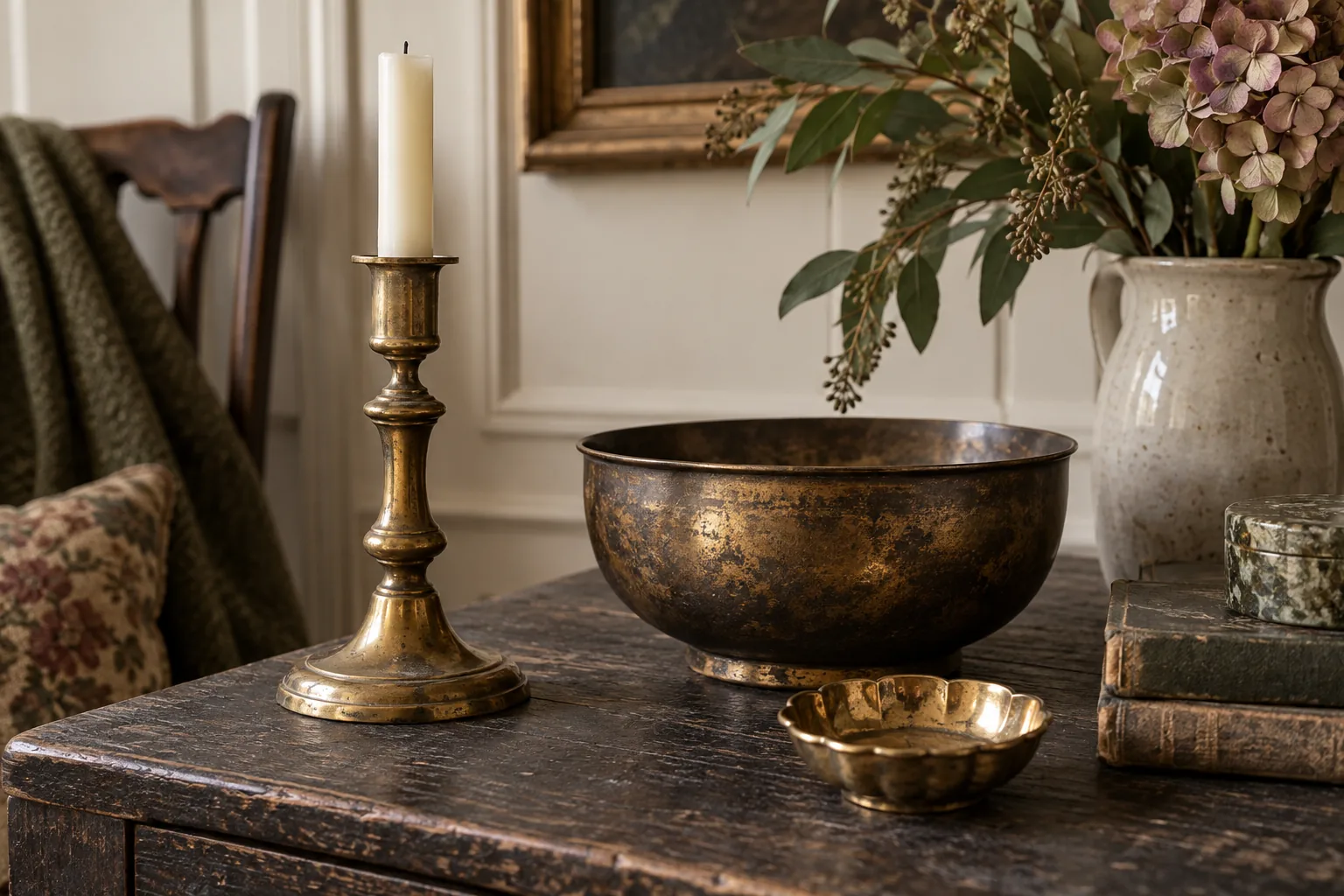
11Living with brass without polishing everything
Choose the finish you actually like, then give a few metal objects enough contrast to be noticed.
 12
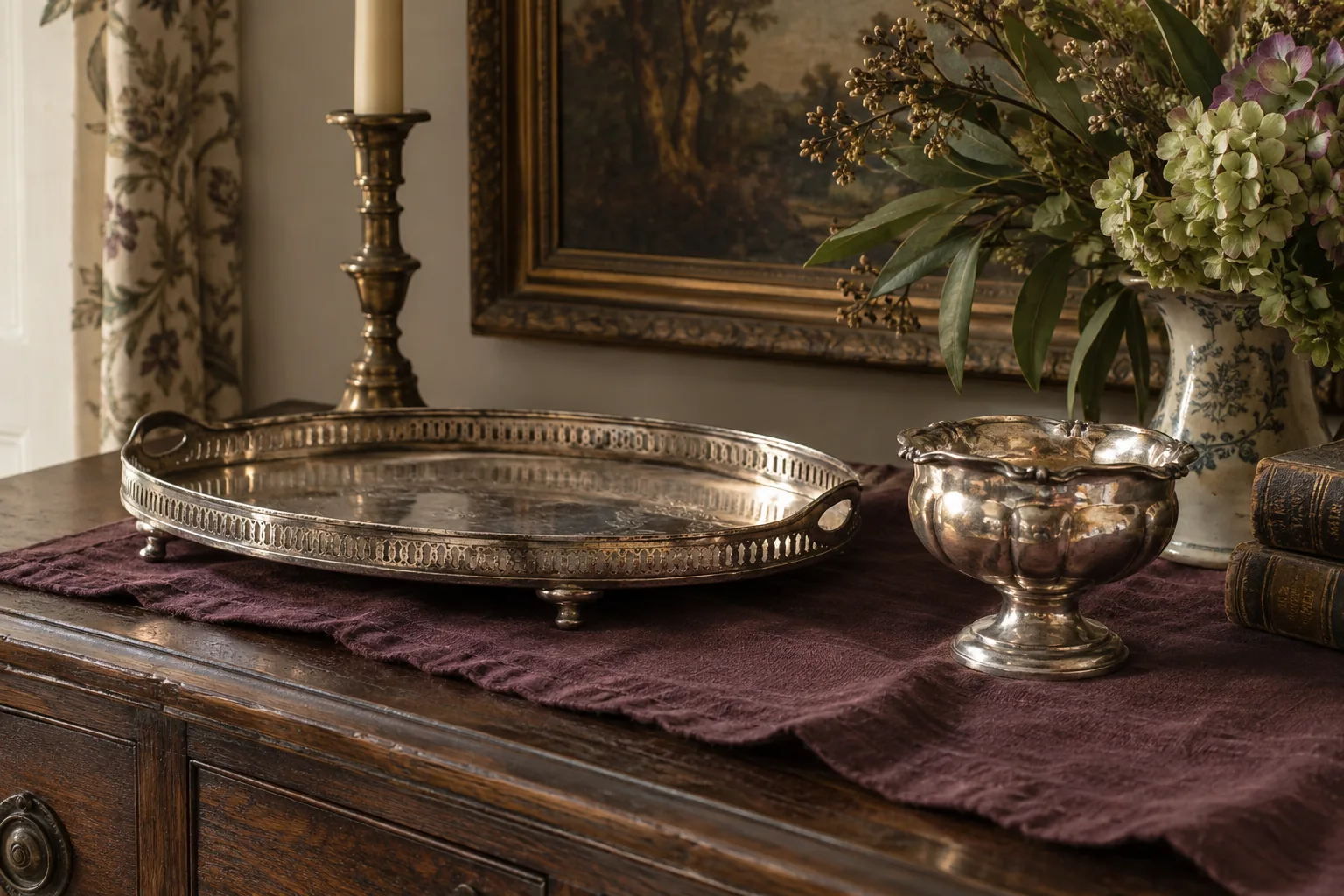
12The quieter appeal of silver plate
Look at shape and condition first, and resist buying a polishing project disguised as a bargain.
 13
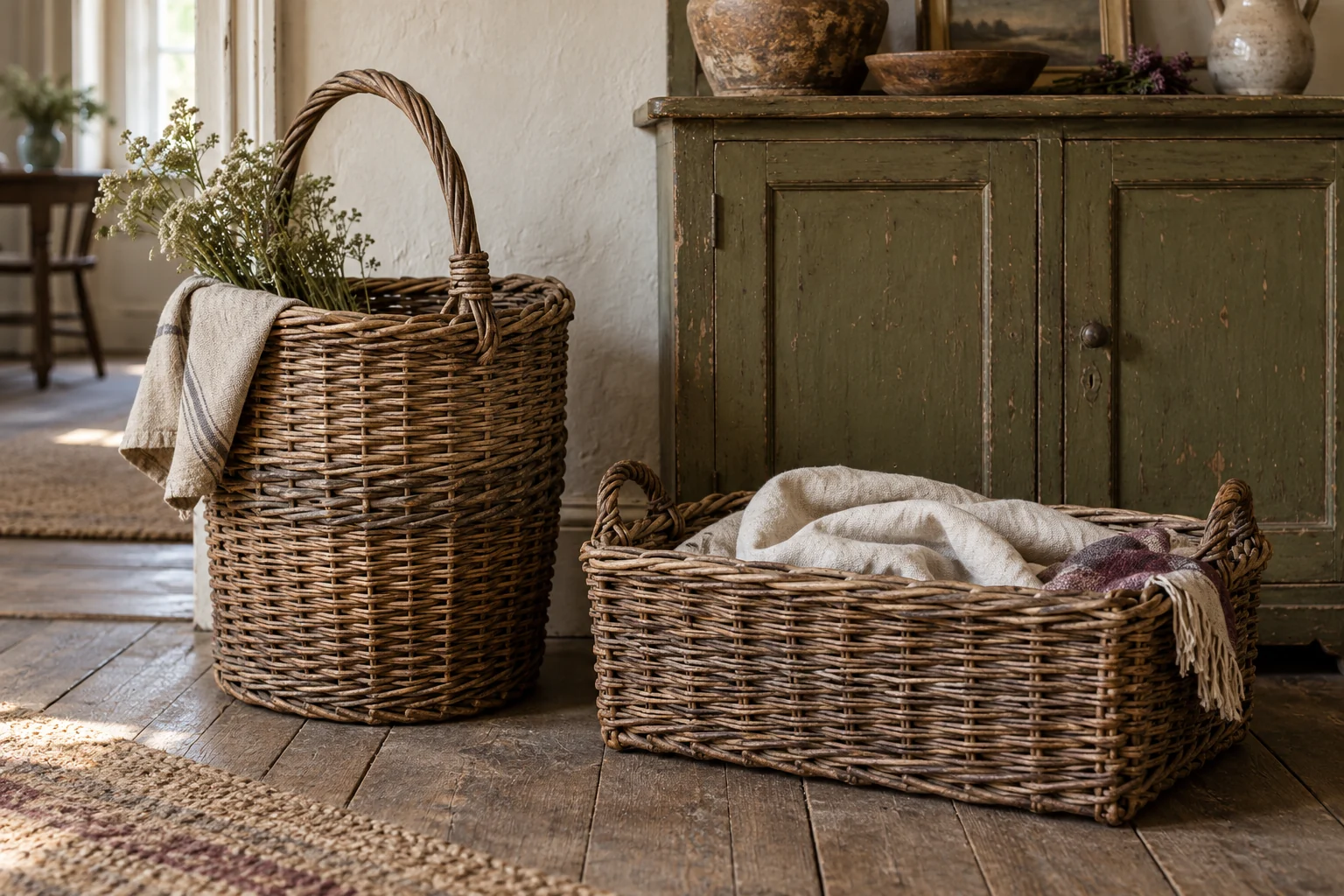
13Old baskets: look before you fill them
A woven basket may look robust while needing a much gentler role than everyday storage.
 14
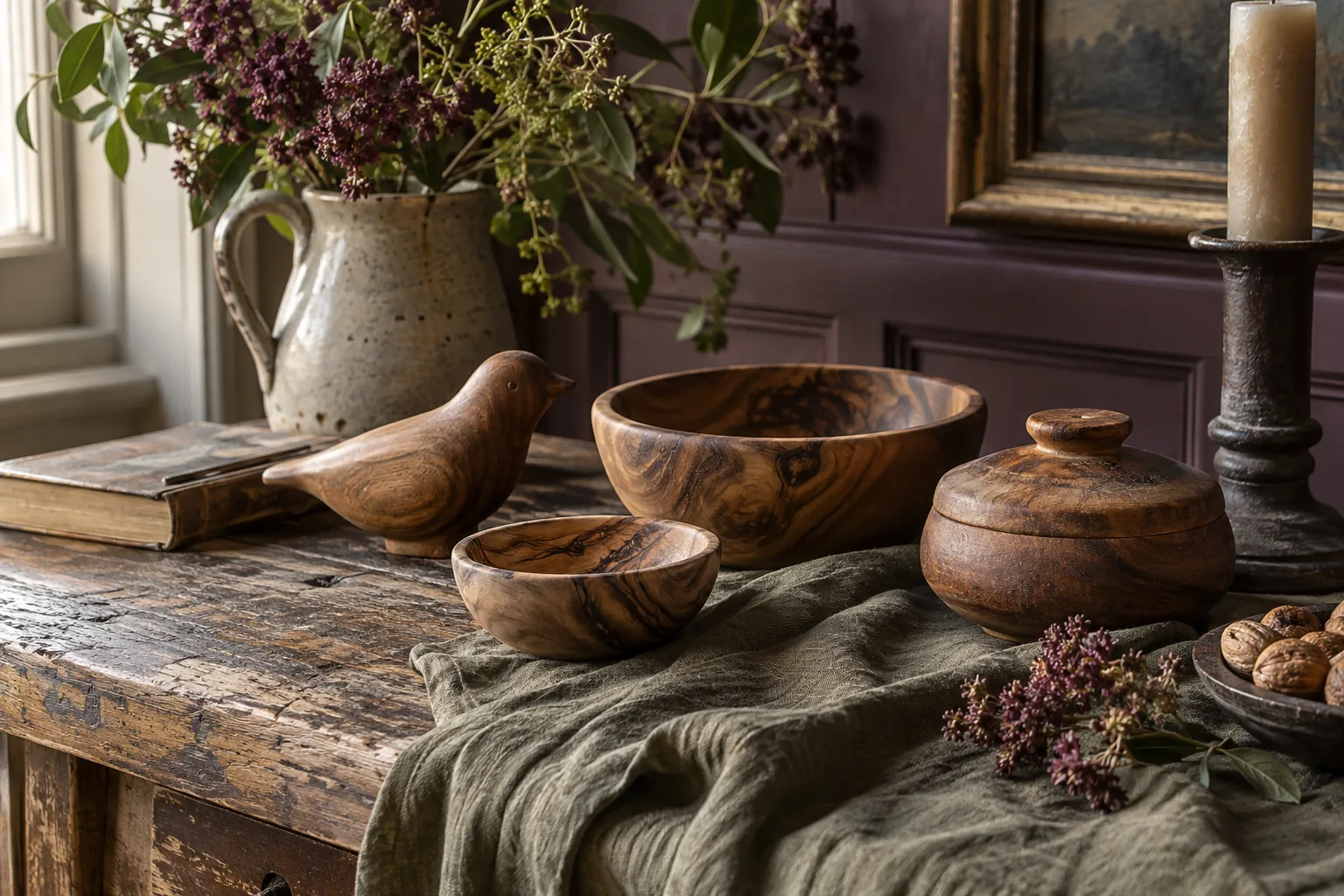
14The charm of small wooden objects
Turned bowls, carved figures and useful little forms can add warmth without making a room feel themed.
 15
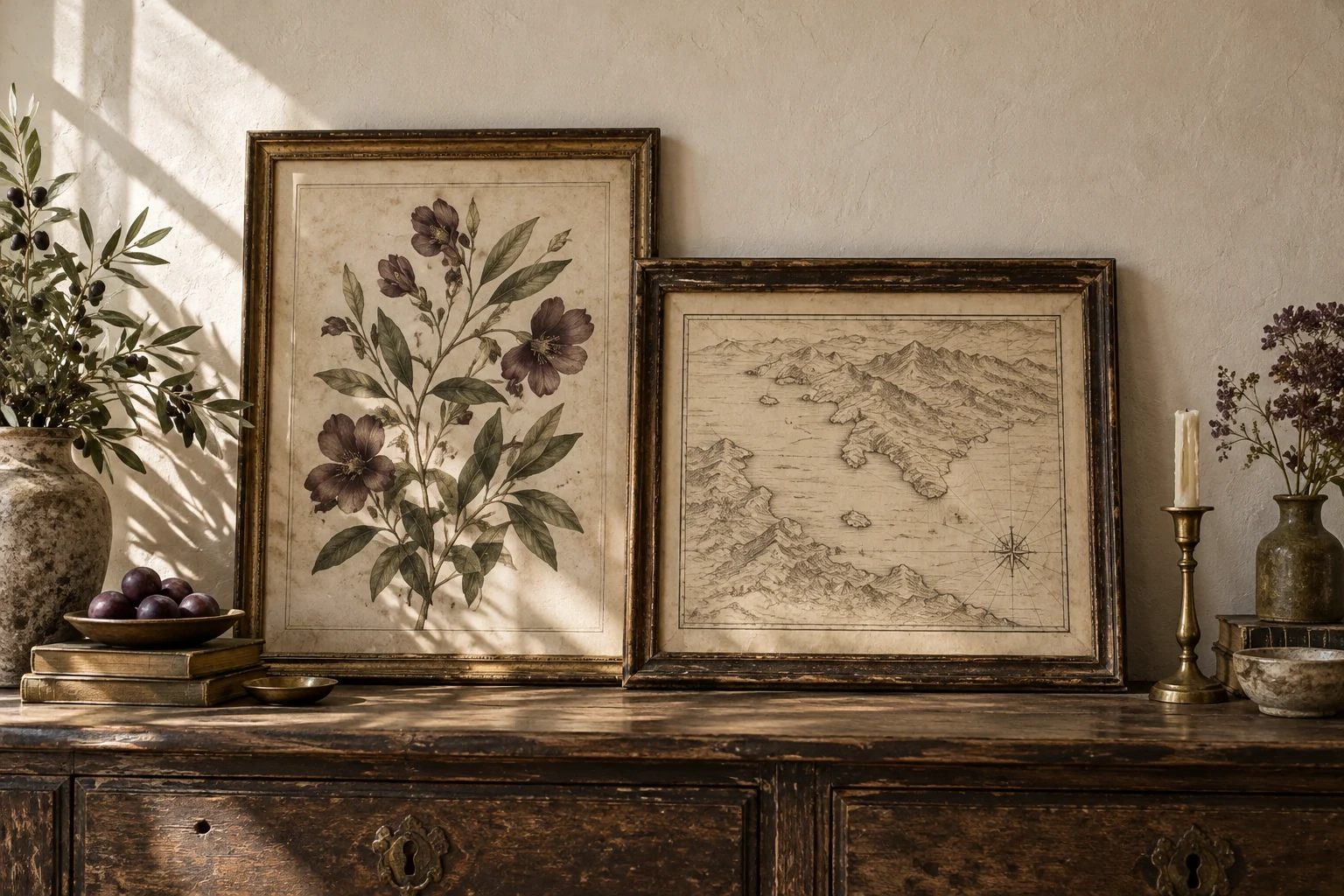
15Buying an old picture frame for a new picture
Check the opening, structure and mounting needs before falling for the decorative edge.
 16
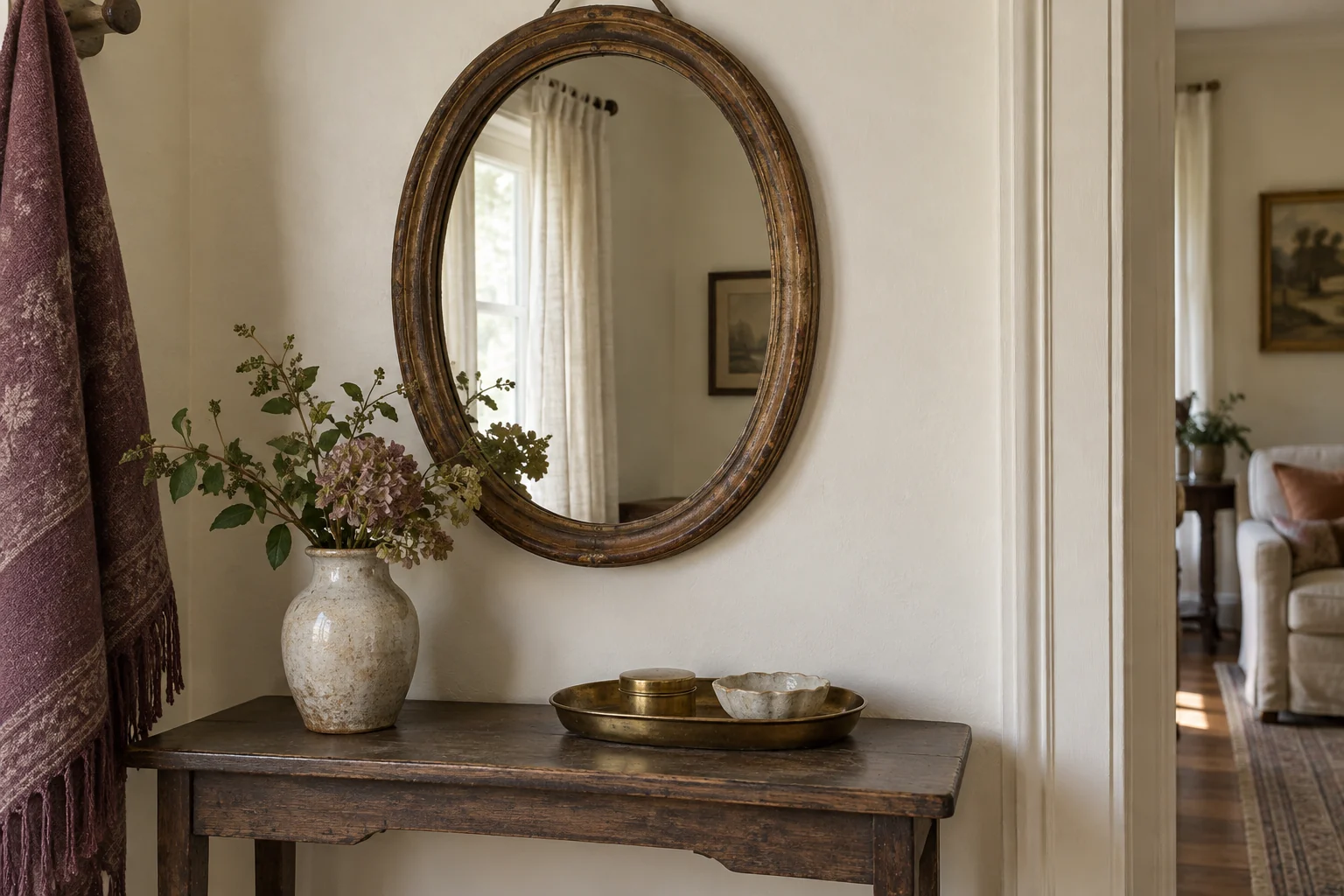
16A small old mirror can change a corner
Judge the reflection, the frame and the hanging position together.
 17
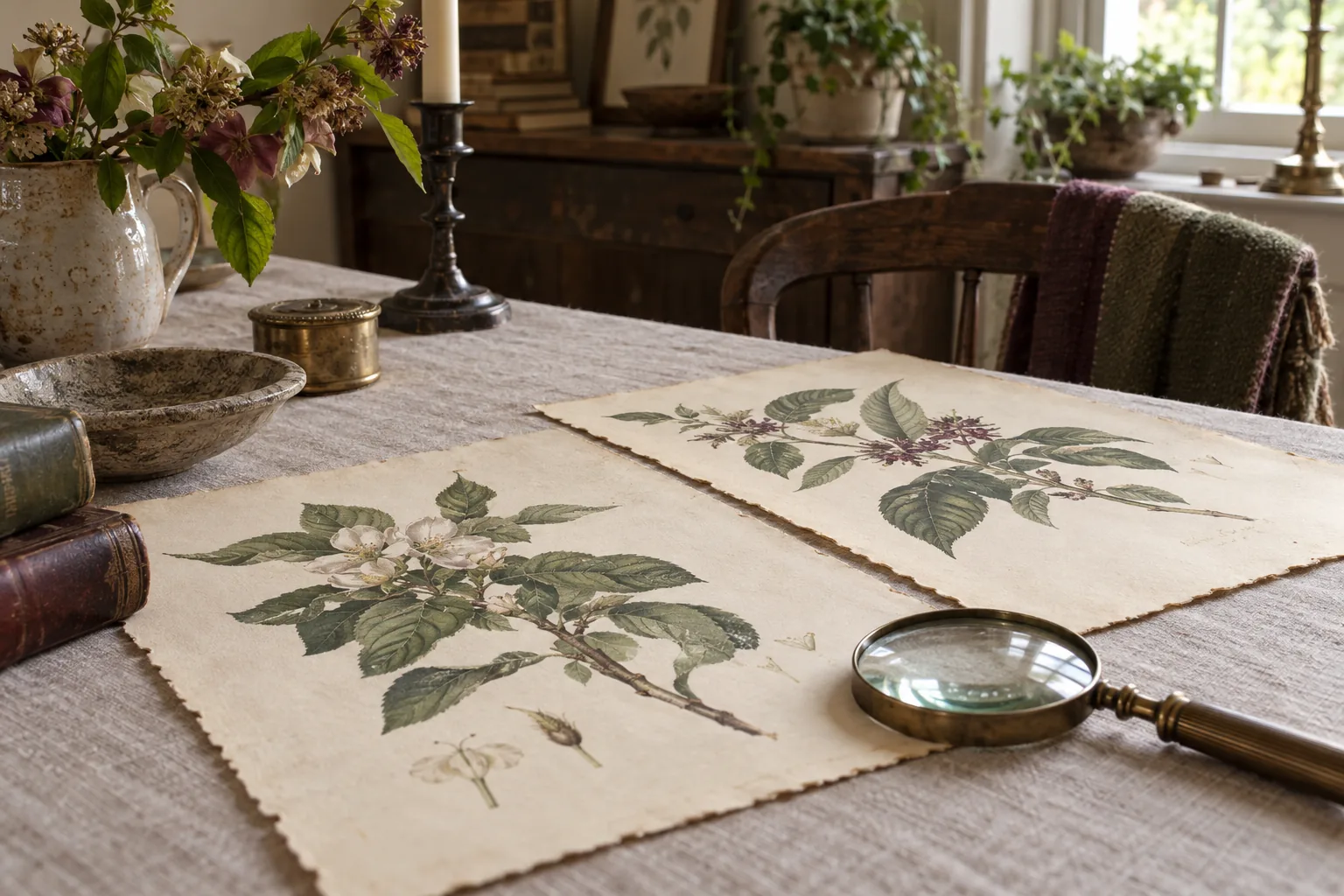
17Print or reproduction? Ask a more useful question
Understand what a seller means, then decide whether the image, object and price make sense to you.
 18
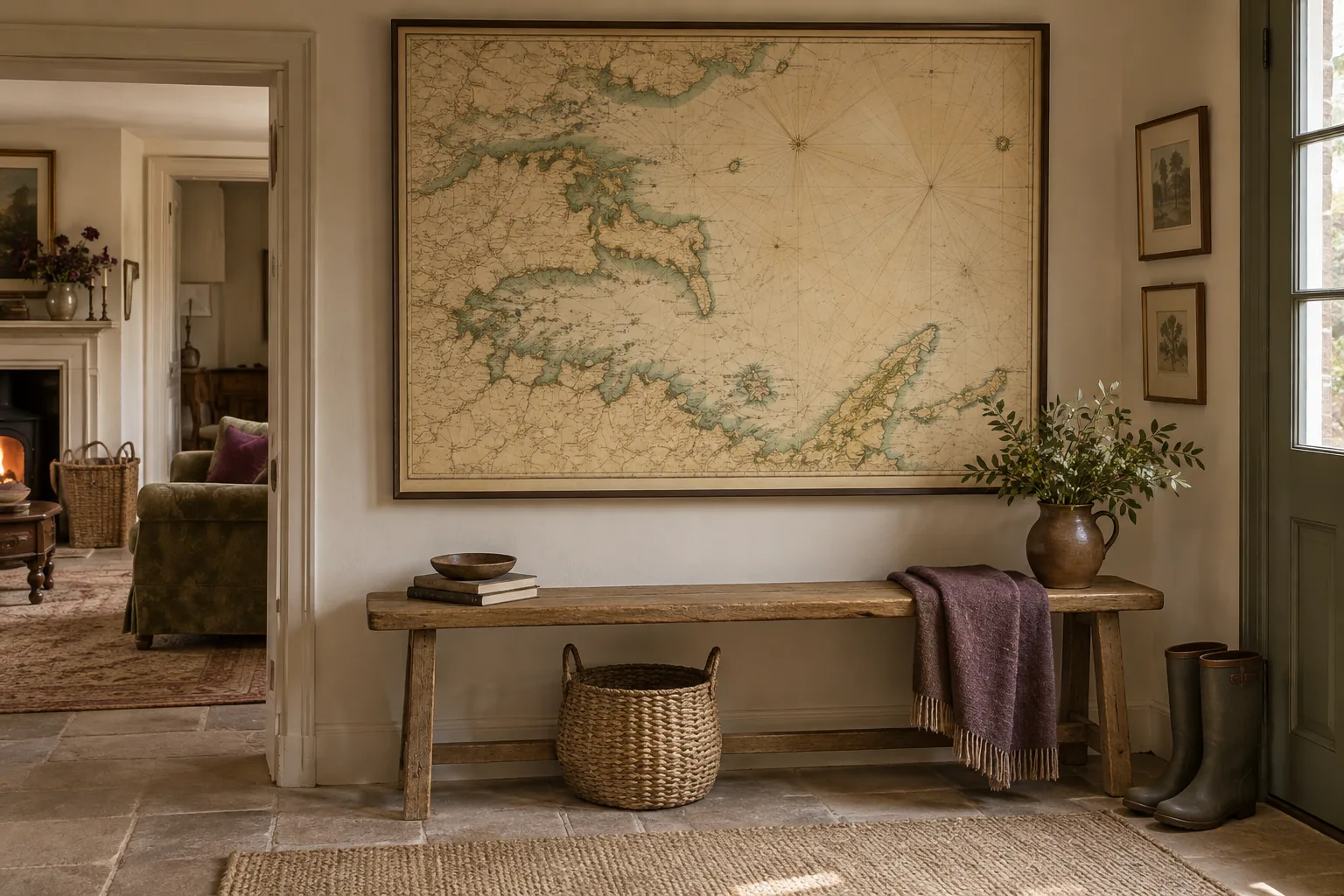
18Choose an old map for the place, not just the patina
Look for a personal connection, readable detail and a format that suits your wall.
 19
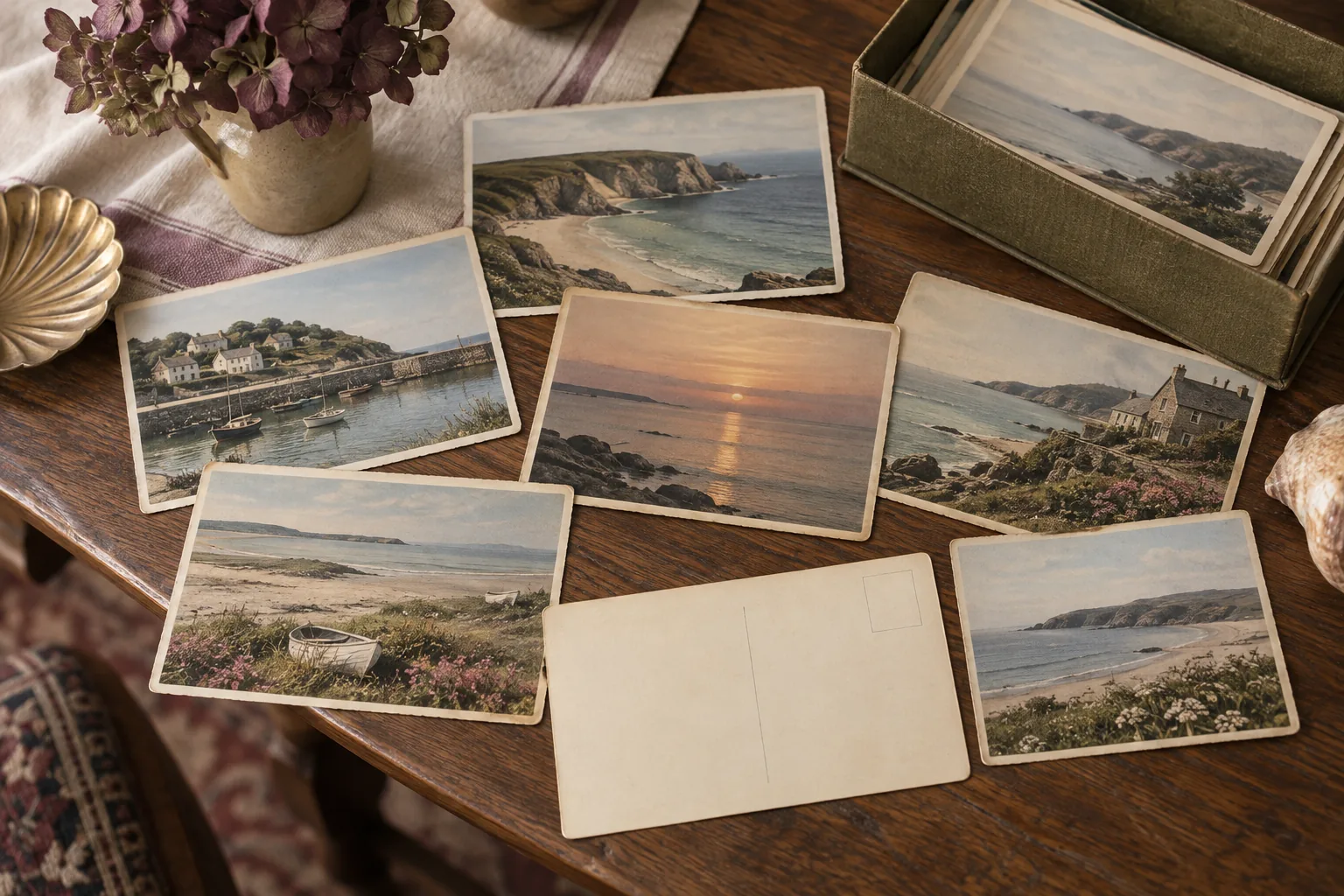
19A postcard collection with a place to begin
Choose one small subject and make room for both the picture and the message on the back.
 20
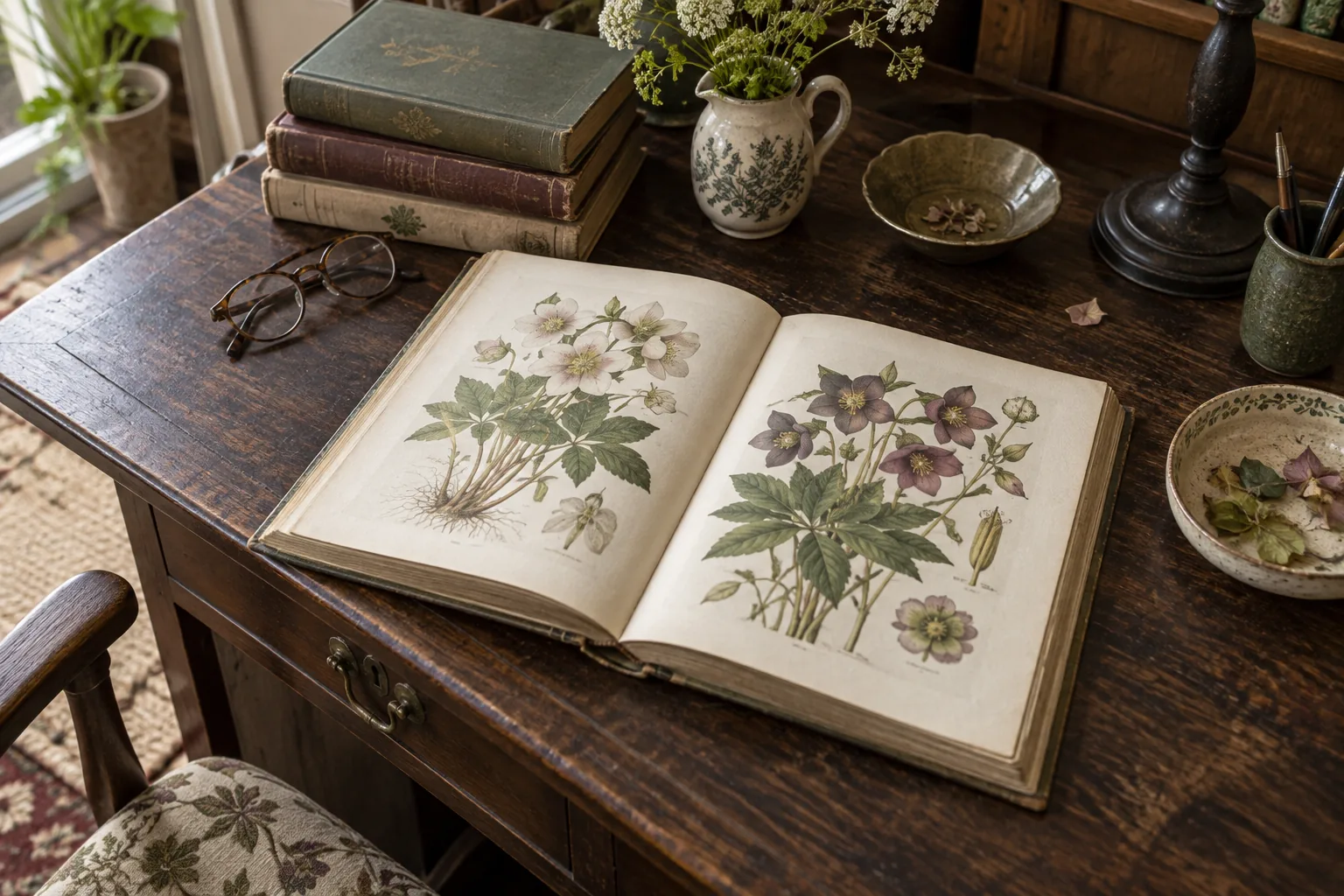
20Choose old books you might actually open
A shelf feels more personal when the books offer something beyond a coordinated row of spines.
 21
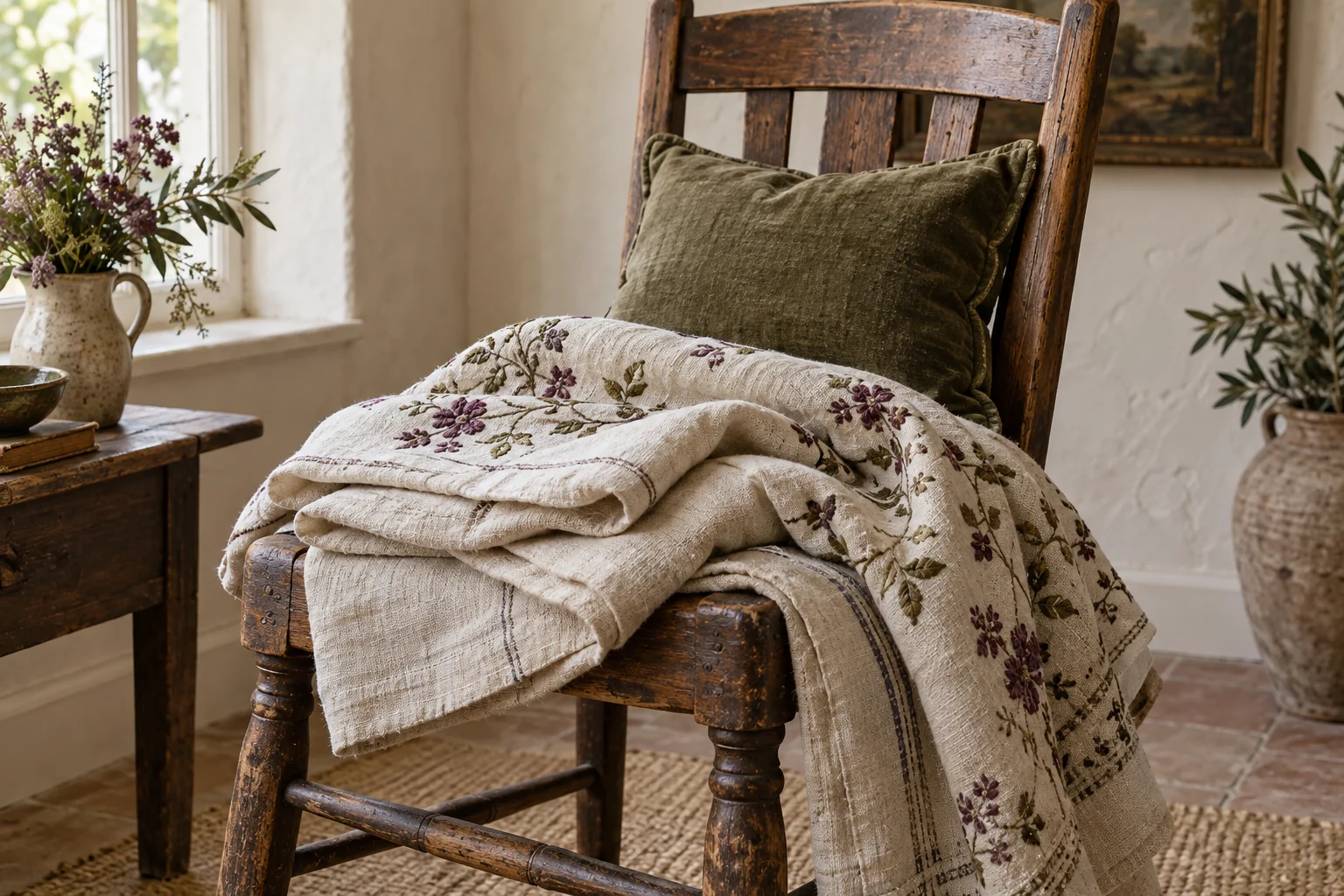
21Vintage table linen beyond the dinner table
Appreciate embroidery, borders and woven patterns without forcing fragile cloth into daily service.
 22
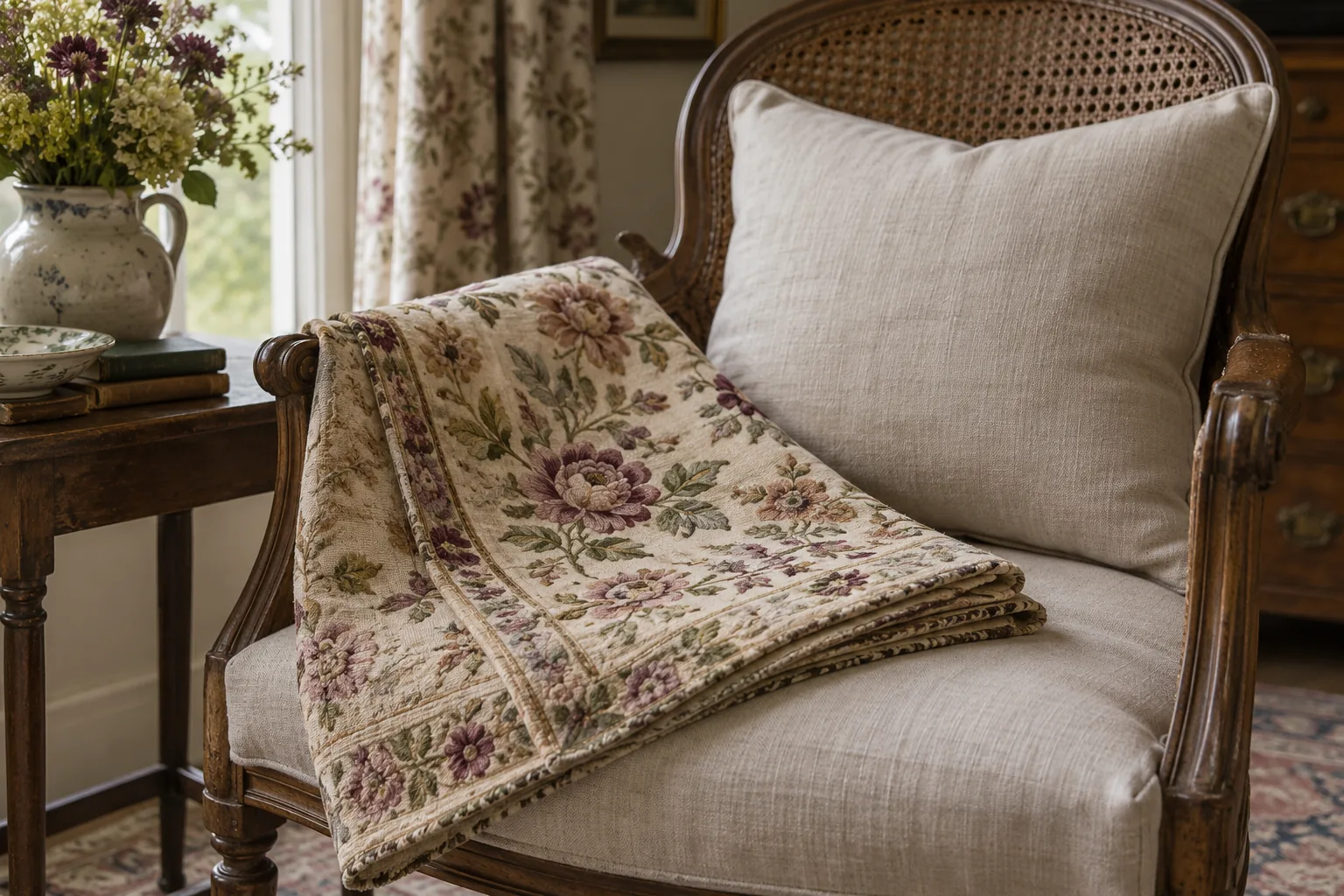
22Before turning a vintage textile into a cushion
Decide what is worth preserving, what can withstand use and when a modern companion is the better choice.
 23
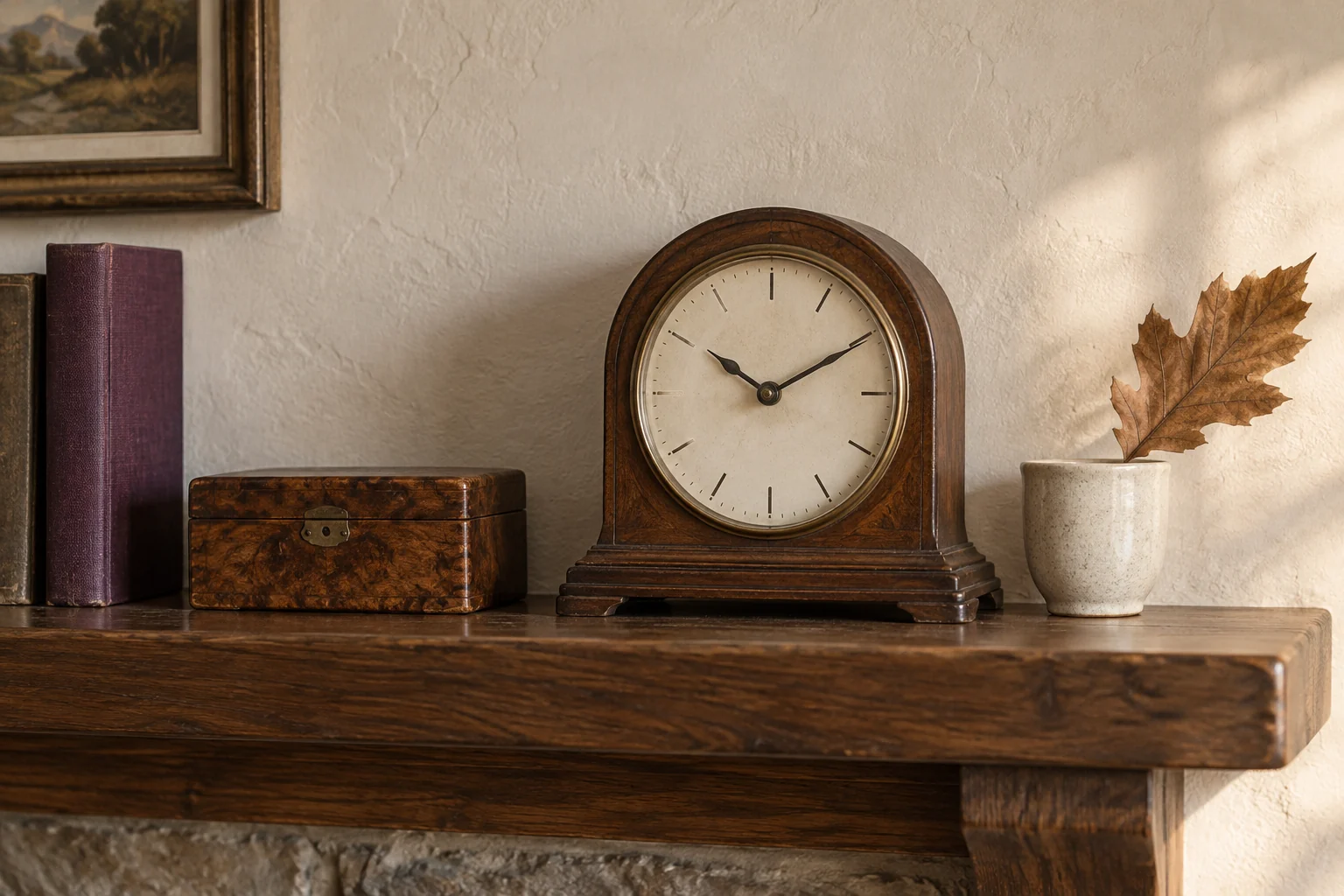
23A vintage clock can be an object before it is a timekeeper
Decide whether you want a reliable working clock, a repair project or simply a compelling dial.
 24
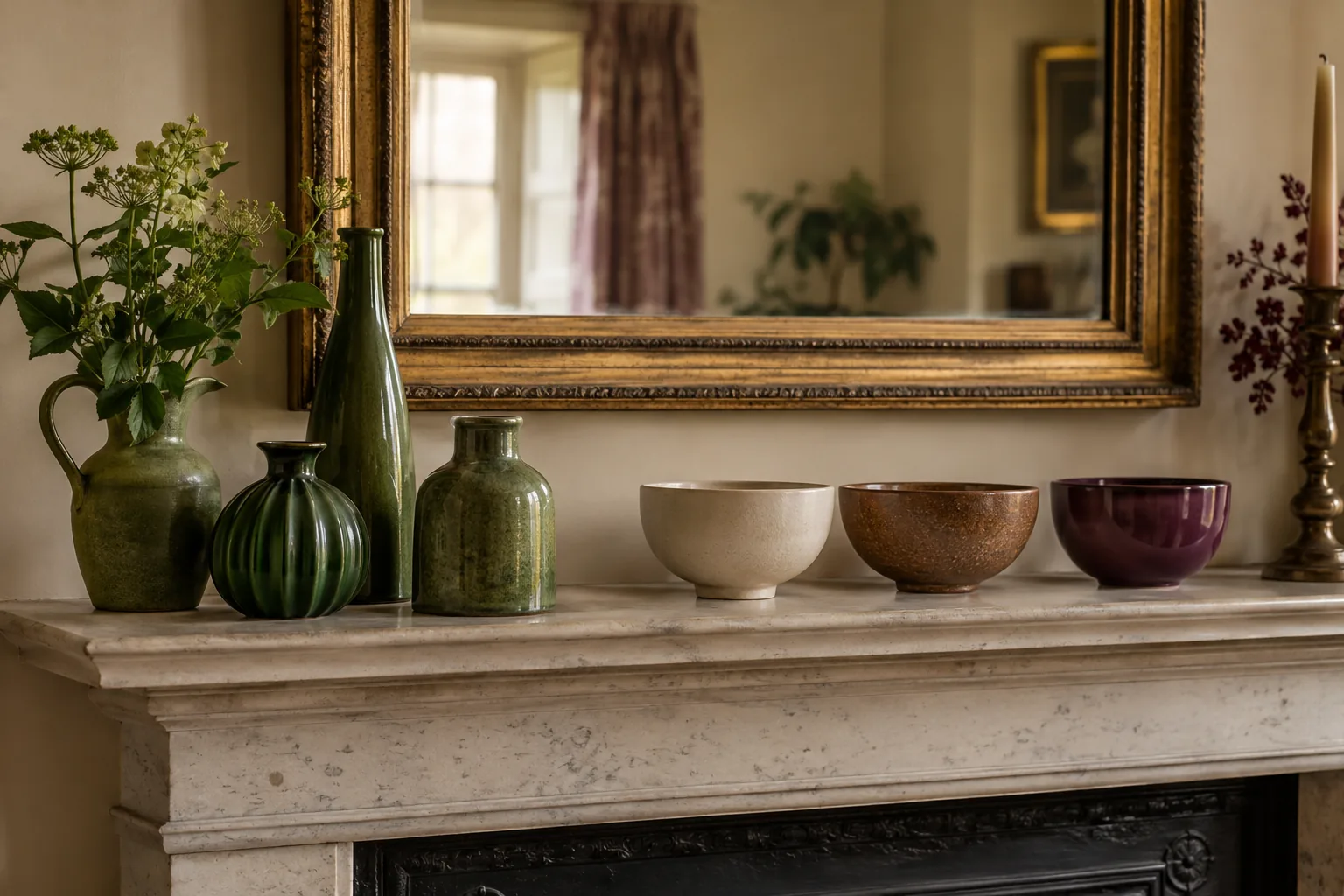
24Collect by colour, or collect by shape?
Two simple ways to give an emerging collection direction without turning it into a rigid matching exercise.
 25
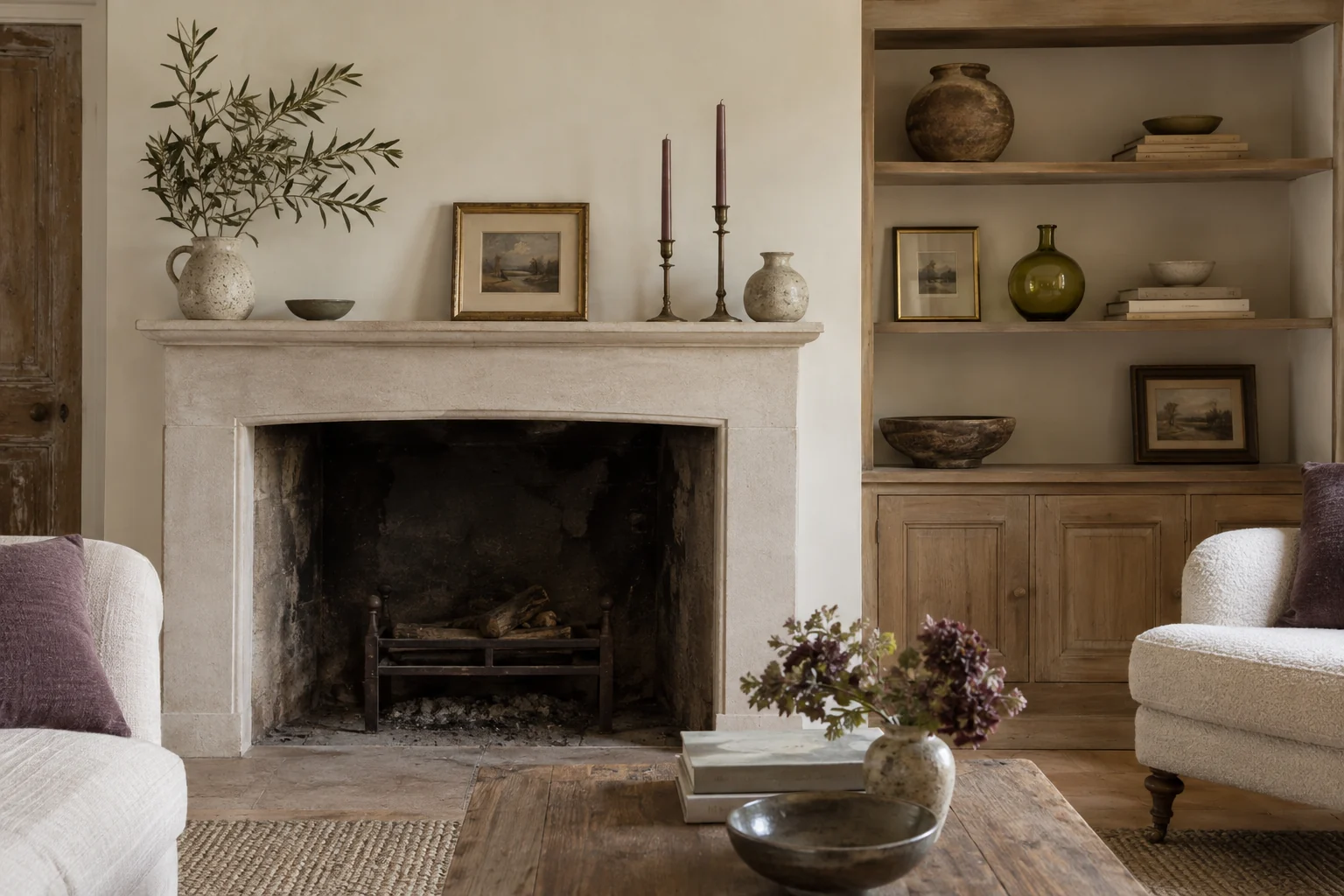
25When the objects do not obviously belong together
Find a shared line, weight or colour before reaching for another decorative purchase.
 26
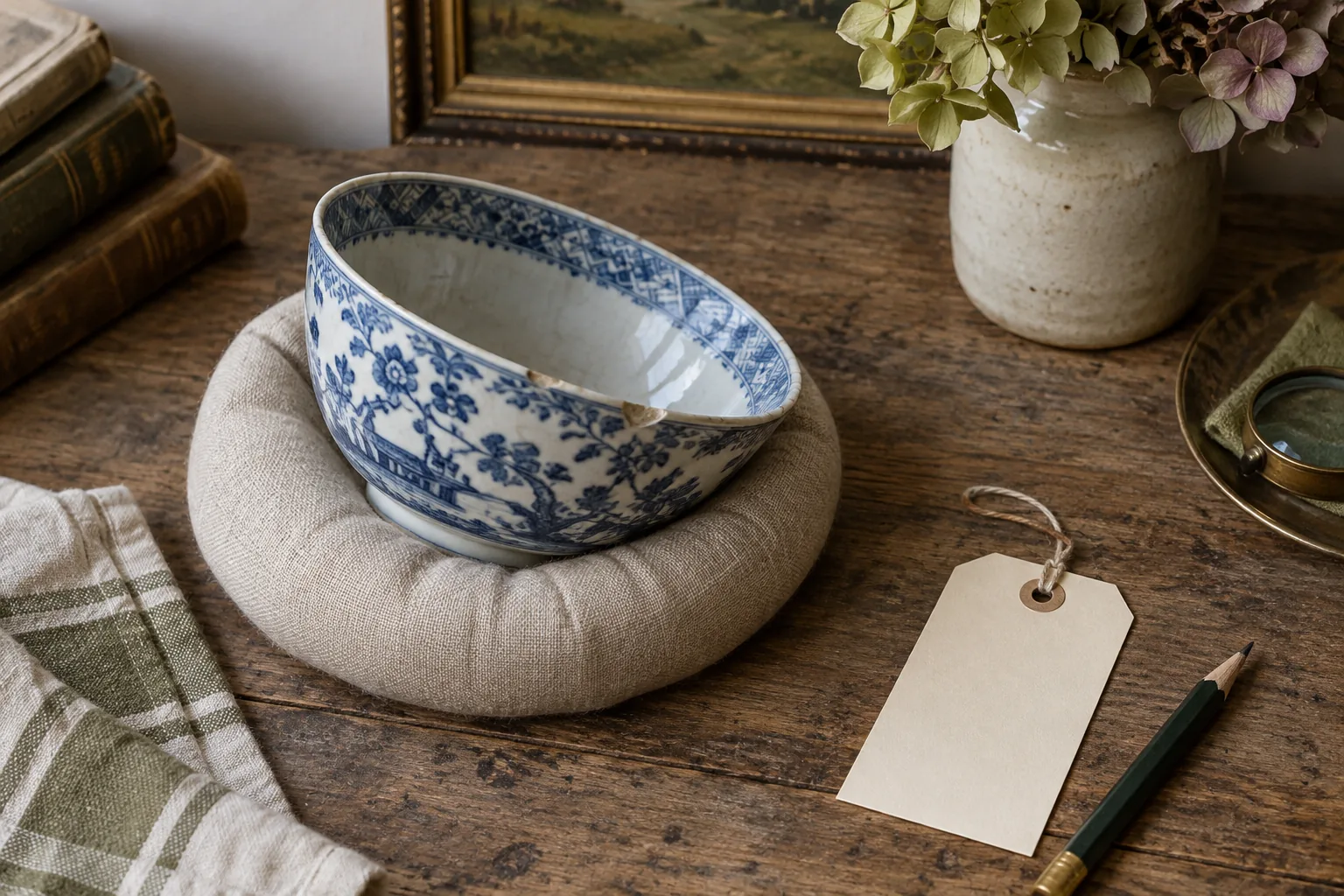
26Write a condition note before you buy
A few plain observations can keep an appealing object from turning into an expensive assumption.
 27
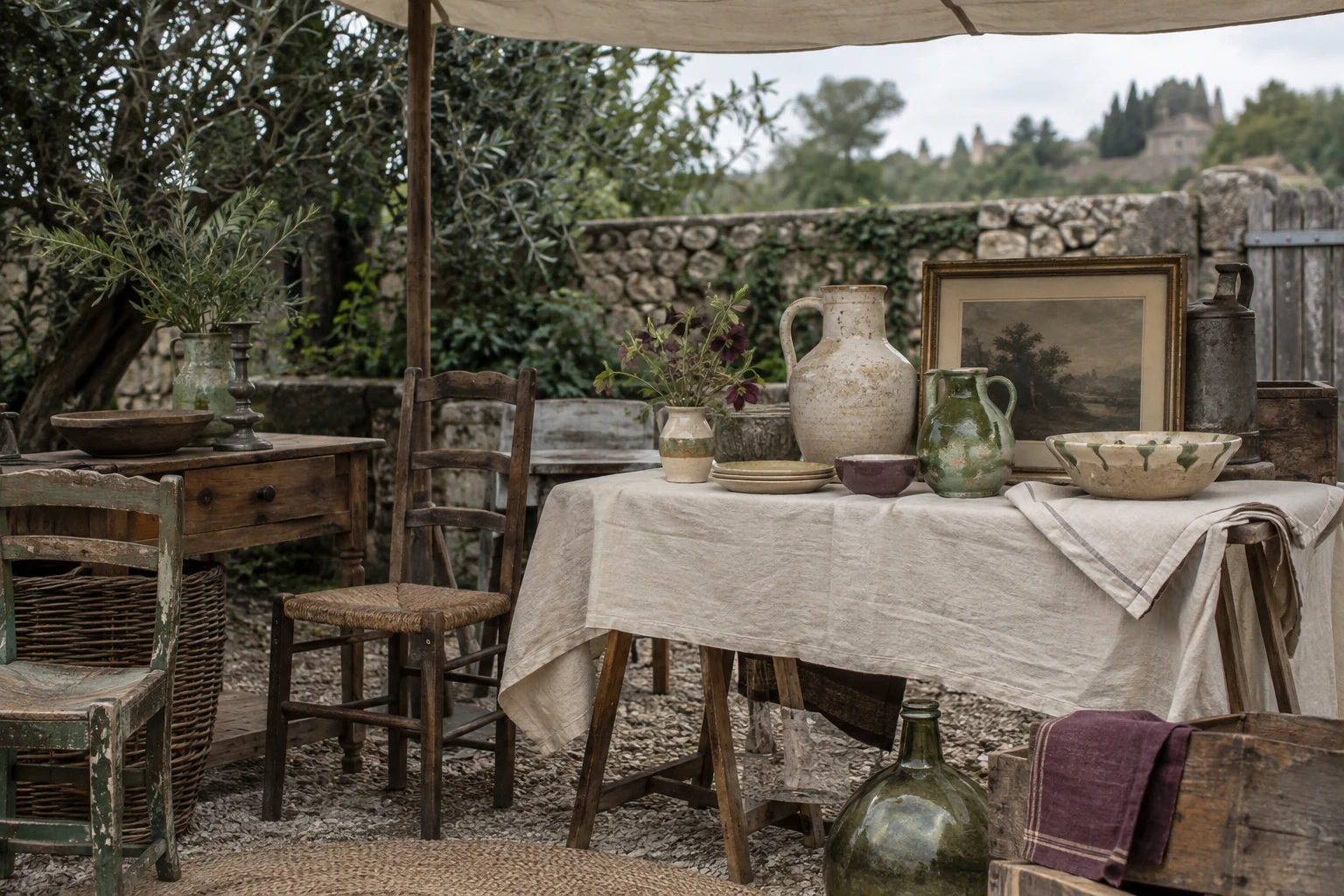
27The useful skill of leaving something behind
A collection improves when a good object still has to earn its place in your home.
 28
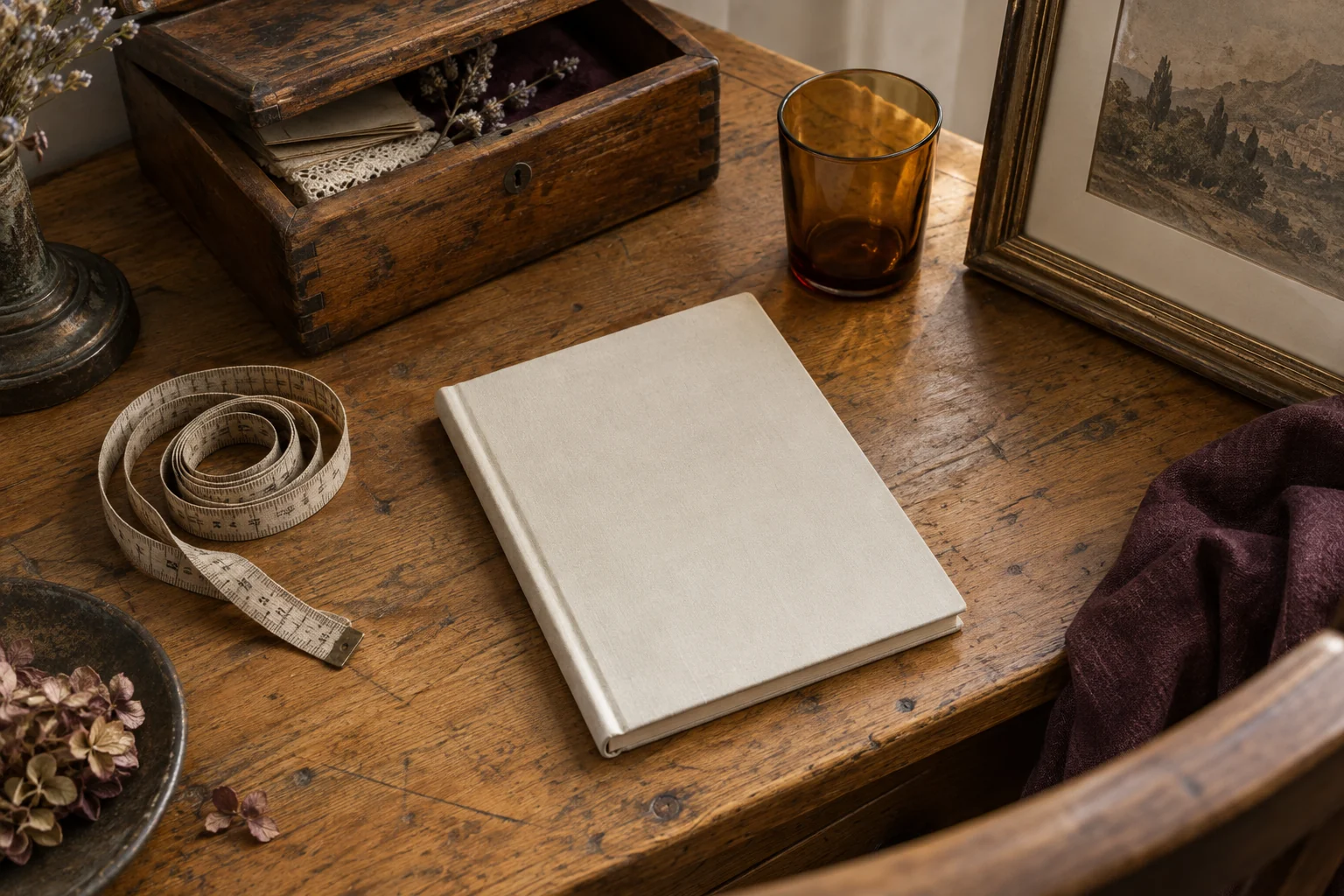
28A simple record for the things you collect
Photographs and a few clear notes preserve useful information without turning your hobby into office work.
 29
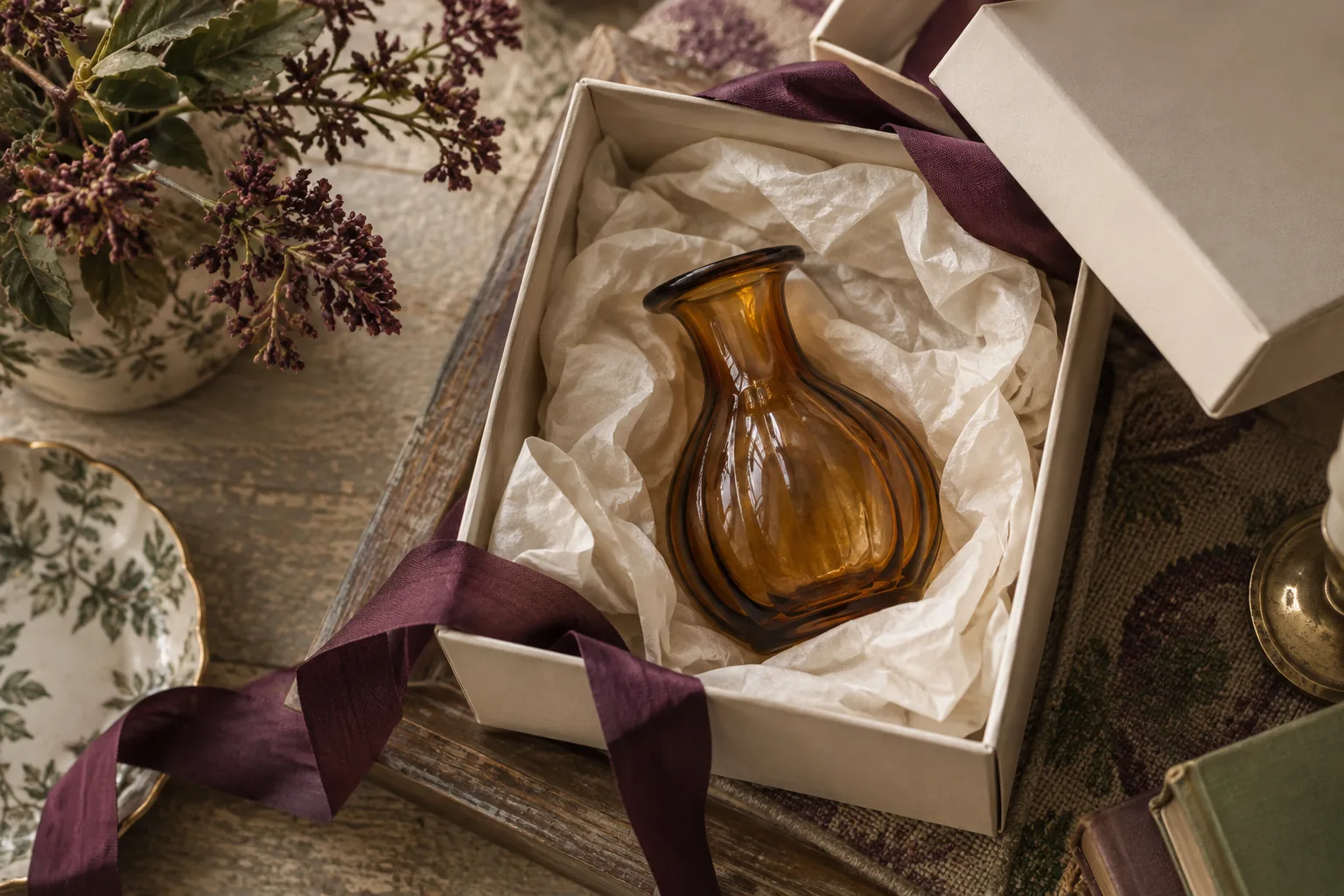
29Giving a vintage object without giving someone a project
Choose for the recipient's habits, space and taste, and include what you actually know about the piece.