Ask whether your room needs a pair
A single object can seem incomplete because you imagine that it once had a mate. Your room may have no need for that mate at all. An occasional chair, one bedside table or a decorative vessel can be useful and visually satisfying on its own. Begin with the role you need rather than the arrangement the object may once have belonged to.
If you genuinely need two pieces, be honest about that requirement. Buying one in the hope of finding an exact match later creates a different kind of purchase. The second piece may be difficult to identify, unavailable when needed or different in condition. A single attractive find is not automatically the beginning of a practical pair.
Check how it stands alone
Look at the object's shape, finish and proportions without mentally placing a twin beside it. Does it have a clear orientation or an unfinished side that affects where it can go? Is it a complete functional piece, or a component whose missing counterpart changes its use? Ask the seller what is known rather than assuming all singles are equivalent.
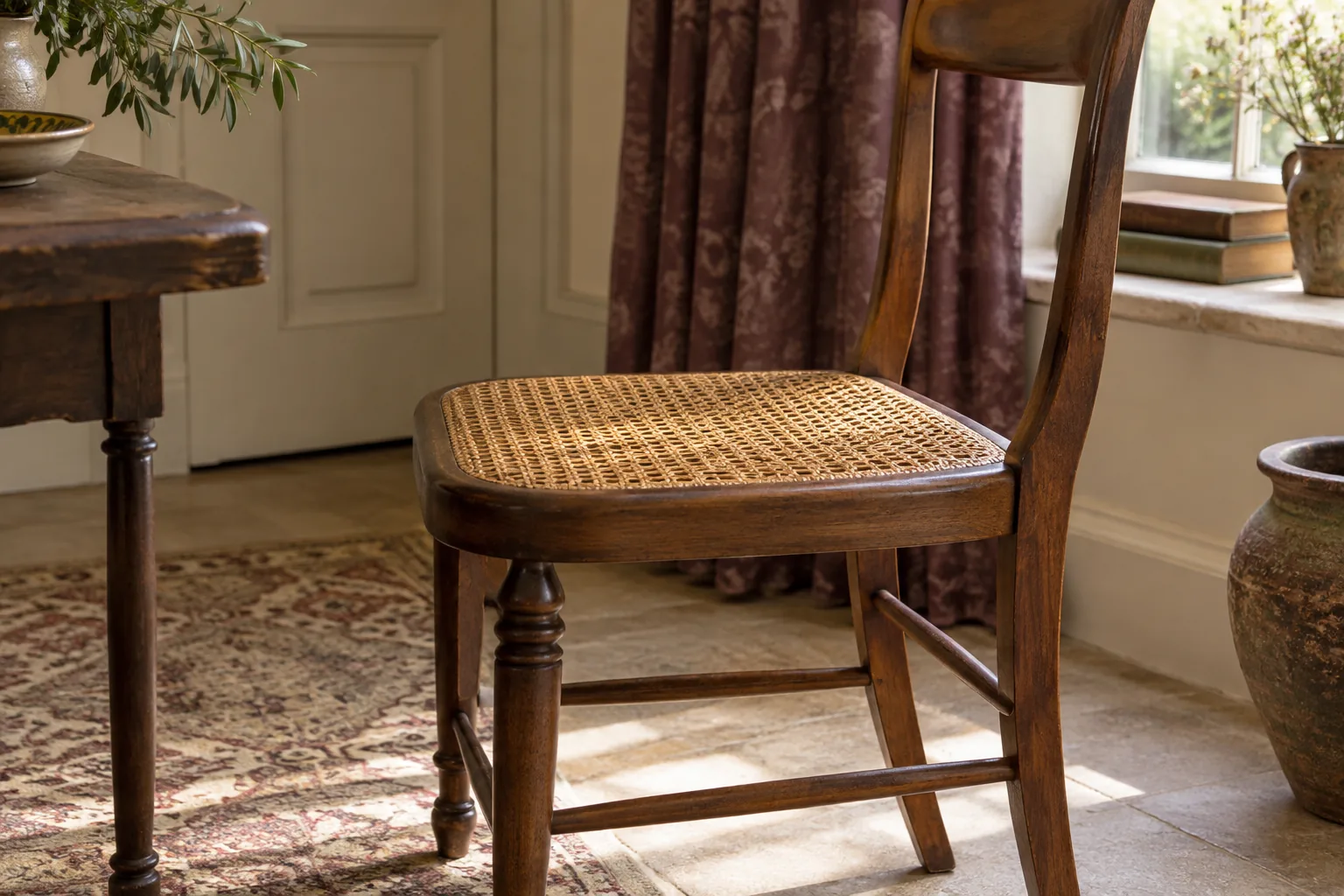
For a chair, comfort and sound condition matter independently of whether another exists. For a lamp, appropriate electrical assessment and suitability remain necessary. For a decorative object, consider whether the asymmetry or directional detail looks natural in the intended position. The question is not whether a pair would be attractive, but whether this particular object already makes sense in the role you have for it.
Consider a companion rather than a match
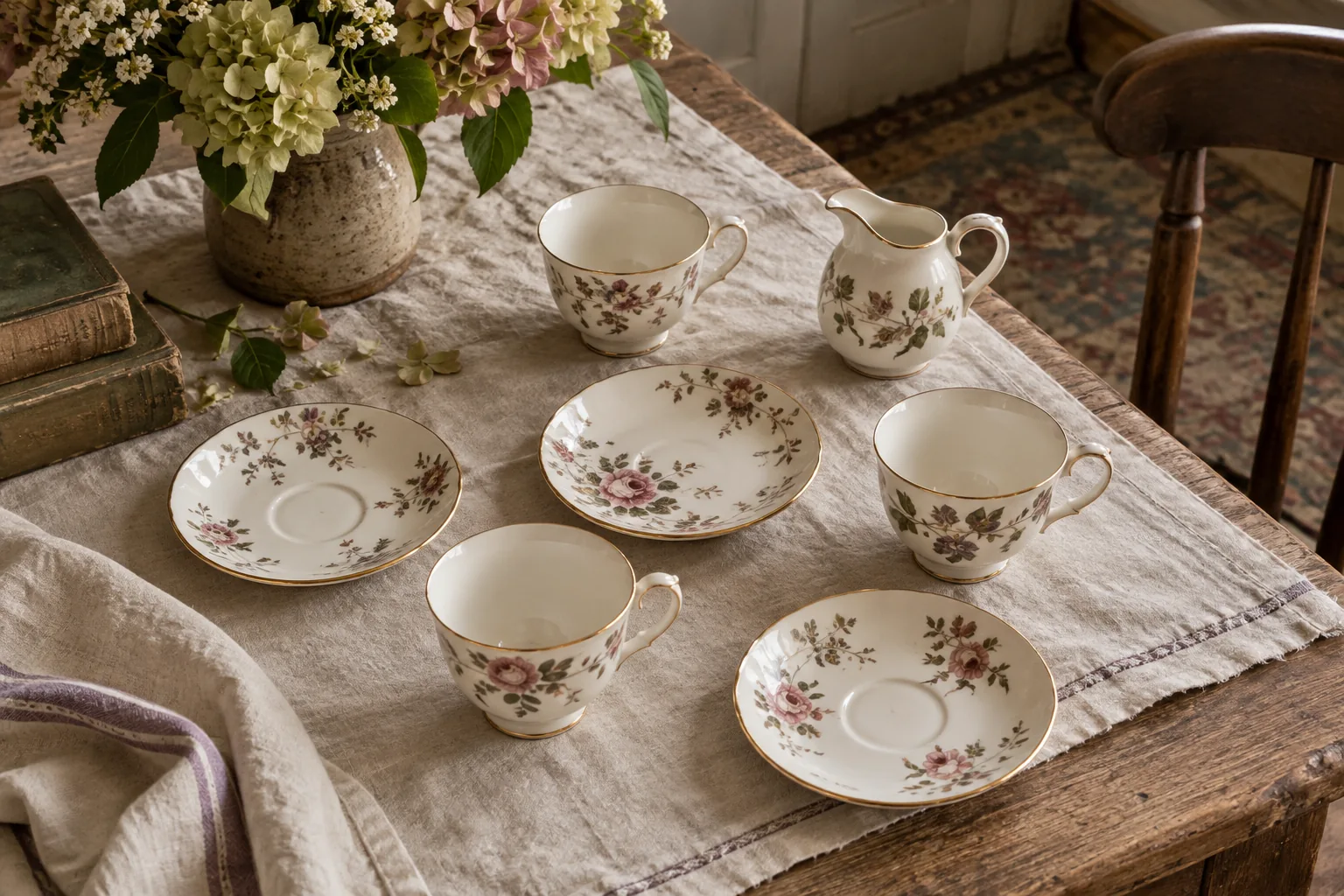
Two different pieces can work together when they share a useful relationship. Bedside tables might have comparable heights and visual weight while differing in shape. Chairs around a table can connect through timber tone or scale without being identical. This approach offers more flexibility than treating an exact match as the only acceptable outcome.
Keep function central. Two lamps need suitable performance in their respective positions, and two chairs should work comfortably with the table even if their backs look harmonious. Visual resemblance alone is not enough. A considered mixed pairing can be more successful than a nominally matching pair whose dimensions or condition make one piece awkward in daily use.
Do not budget around an imaginary discovery
If the purchase depends on eventually finding the mate, include that uncertainty in your decision. You cannot know the second object's availability, condition or complete cost merely from the first. Avoid committing the room to a plan that remains unusable until the missing piece appears.
A better test is whether you would still be glad to own the single if no match were ever found. If the answer is yes, future discoveries become optional. If the answer is no, consider waiting for a complete arrangement or broadening the brief to a compatible pair. This keeps a pleasurable search from becoming an obligation to finish something you did not fully intend to start.
Keep claims about the original pair modest
Unless there is evidence, do not assume another object with similar styling is the original mate. Similar pieces may differ in scale, details or manufacture. Record what the seller knows and distinguish it from a plausible visual relationship.
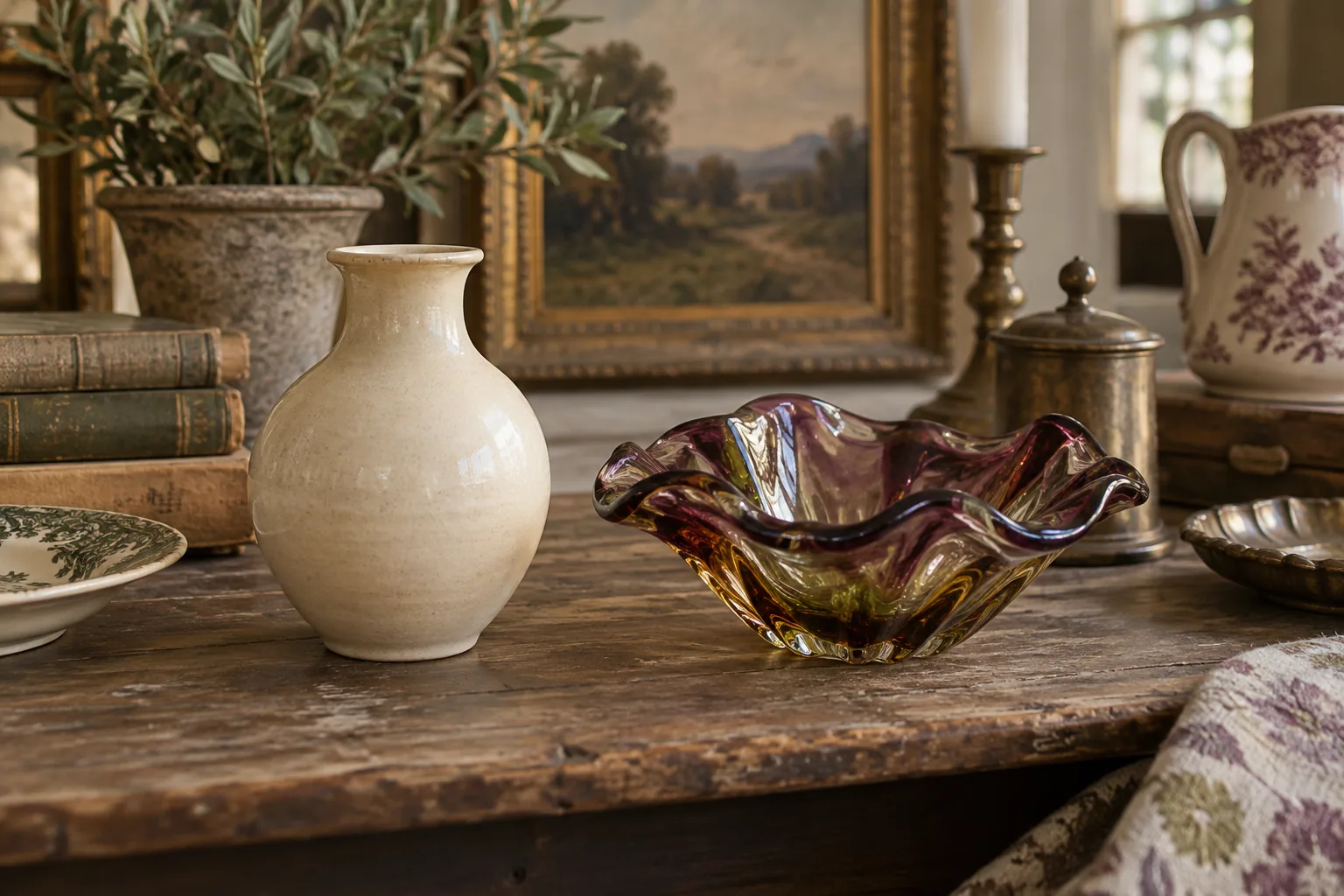
Once the single is home, give it a deliberate place instead of leaving an obvious gap beside it. A chair can have a nearby table, a vessel can sit with a different shape and a cabinet can stand as the main storage piece. The arrangement should celebrate what the object contributes now. Its usefulness does not have to wait for the recovery of a previous arrangement that may never be fully known.