Find out what 'hold' means here
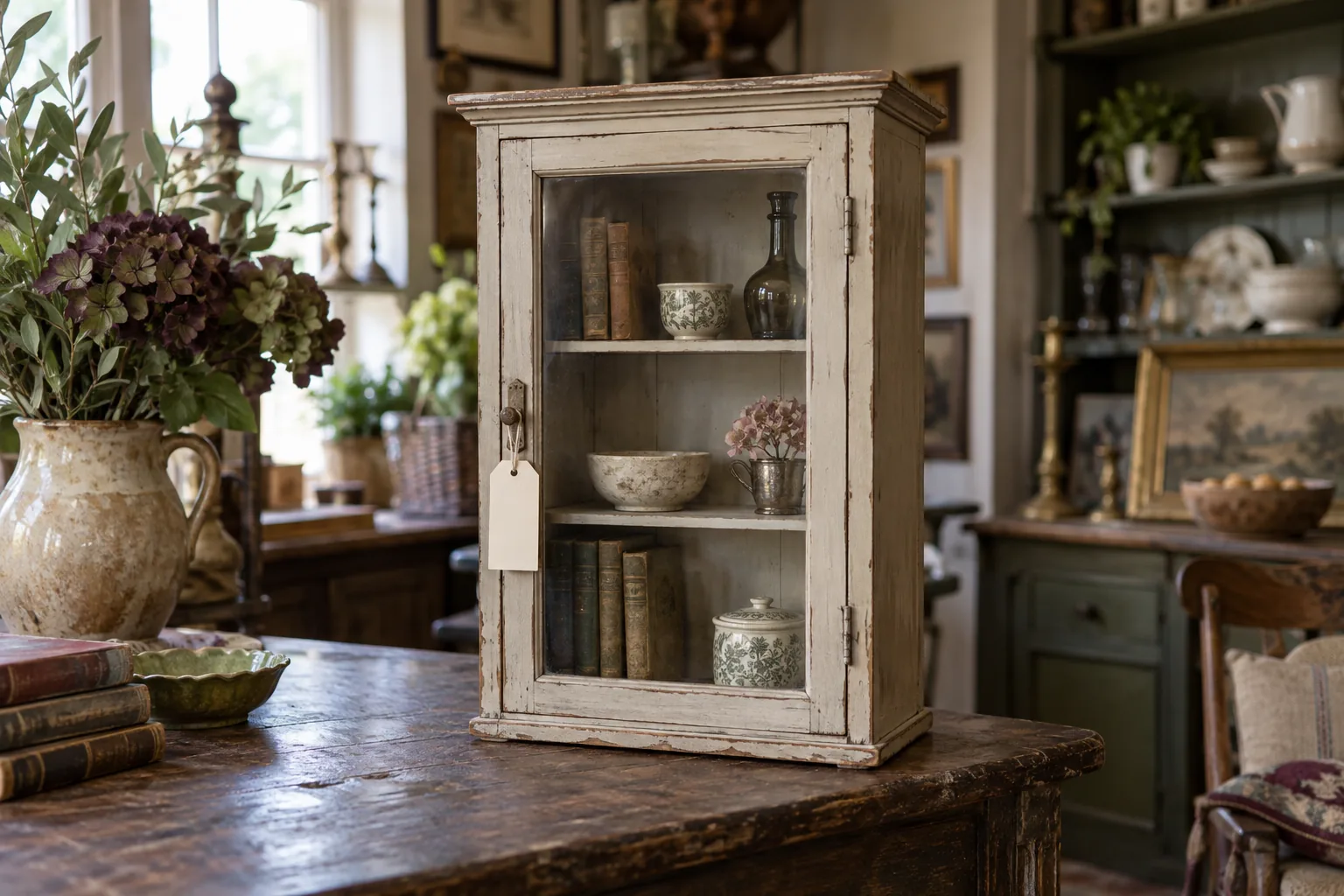
A seller's offer to hold an object can mean different things in different situations. It may give you a short time to return with measurements, reserve a purchased item until collection or involve a deposit under stated terms. Ask which arrangement is being proposed rather than assuming the word describes a standard process.
Keep the question friendly and direct. You want to know what each person is agreeing to, when the arrangement ends and what must happen next. This is especially useful when the conversation begins casually at a market or through a short message. Clear details prevent a generous offer from becoming an awkward misunderstanding later.
Identify the exact object
Record the listing link, item number or a clear description and photograph where permitted. If several similar objects are available, identify the particular one you have inspected. For a group, list what is included rather than relying on a broad phrase such as the set on the table.
Confirm the agreed price and whether any accessories, packing or delivery arrangements are included. A hold should not leave these central points undecided if you are being asked to make a payment. Keep condition questions separate and resolve the essential ones before proceeding. Reserving an item does not make uncertain measurements or an unclear repair history less relevant to whether you want it.
Put a clear end to the timetable
Agree a specific date and, where useful, time for the next action. That might be confirming your decision, paying the balance or collecting the purchase. Avoid phrases such as later in the week when either person could interpret them differently. Check the seller's availability as well as your own.
If transport is not yet arranged, say so. Do not promise a collection date that depends on an unconfirmed carrier or borrowed vehicle. Ask what happens if the plan changes and whether further storage or other charges could apply under the seller's terms. The purpose is to make a feasible arrangement from the outset, not to negotiate the consequences after the deadline has already passed.
Understand any payment before making it
Where a deposit or other payment is involved, ask for the applicable terms in writing and read them carefully. Establish what the payment covers and what the stated conditions say about changes or cancellation. Do not assume that a casual label automatically describes all the conditions attached to the payment.
Use an appropriate payment method and keep the receipt and relevant correspondence. If anything remains unclear, pause and ask the seller to explain before transferring money. The important habit is to understand the specific arrangement you are entering rather than relying on what happened with a different seller on a previous occasion. For questions about your legal position, seek current advice appropriate to the transaction.
Follow through or communicate promptly
Once you have agreed the arrangement, put the deadline in your calendar and send any promised information on time. If a practical problem arises, contact the seller promptly with a clear explanation and a realistic proposed next step. Do not assume silence will extend the hold.
At collection or completion, refer back to the agreed item and terms so the final step is straightforward. Keep the records with the purchase information. A well-managed hold is simply a bridge between interest and a completed decision. It works best when neither side has to guess whether the other is still coming, which object is involved or what has already been paid.