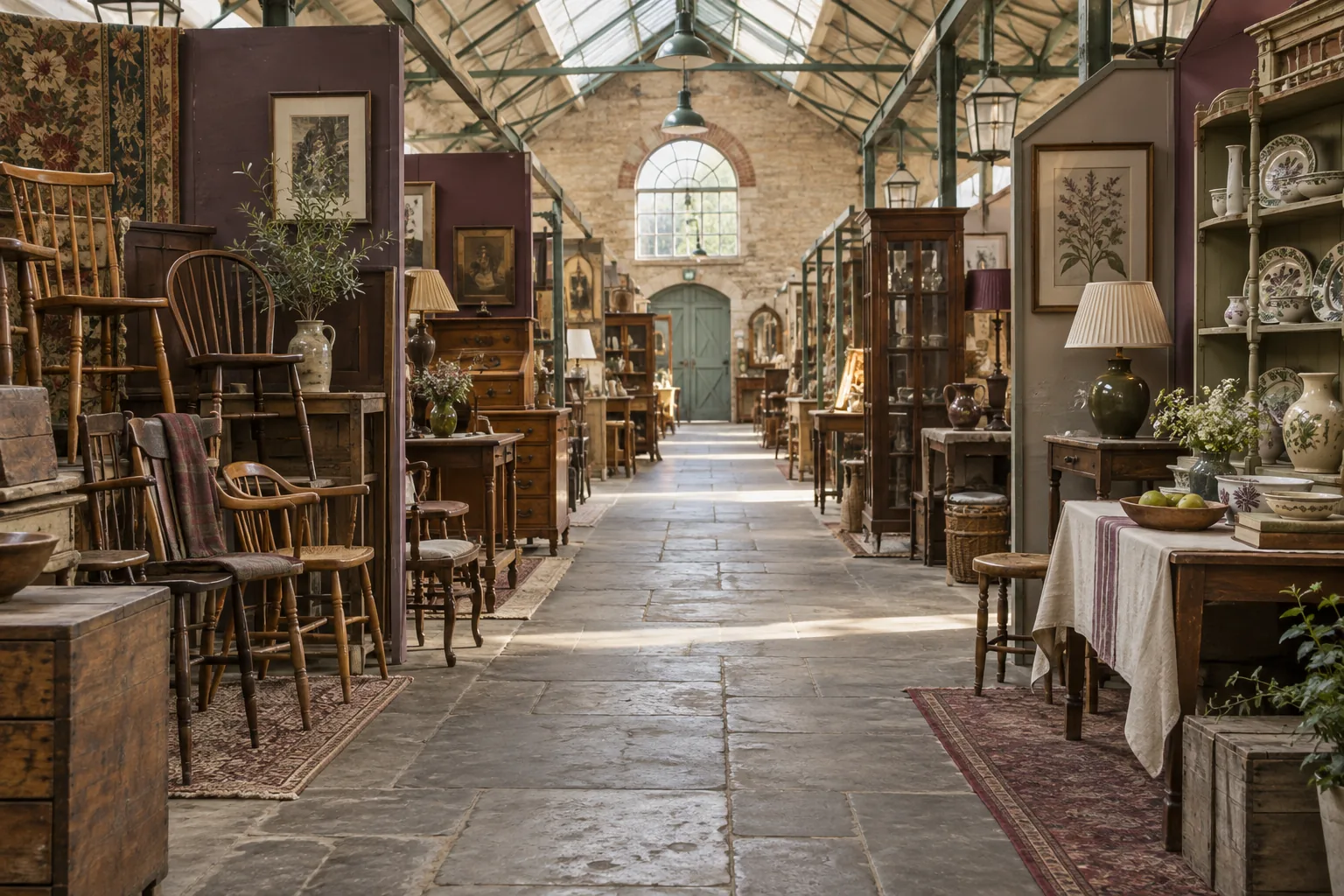
Begin with the job, not the object
A useful buying brief starts with a sentence about your room or routine. You need somewhere to keep table linen, a comfortable seat for reading or a small surface beside the bed. That description is more helpful than beginning with a fashionable furniture name, because it leaves you open to different pieces that could do the job well. A chest might answer a need originally imagined as a sideboard; a modest table could prove more useful than a cabinet.
Write down the task in plain language, including who will use the piece and how often. If it must cope with daily family life, say so. If it will hold only a few decorative objects, that is a different brief. This first sentence becomes a useful reference when an appealing but impractical find begins to distract you.
Record the limits you cannot negotiate
Measure the intended space and note the dimensions that genuinely matter. Include the room needed for drawers, doors or chairs in use, rather than only the furniture's closed footprint. Record a maximum size where necessary, but also consider a minimum useful surface or storage capacity. A piece can fit beautifully and still be too small to solve the problem.
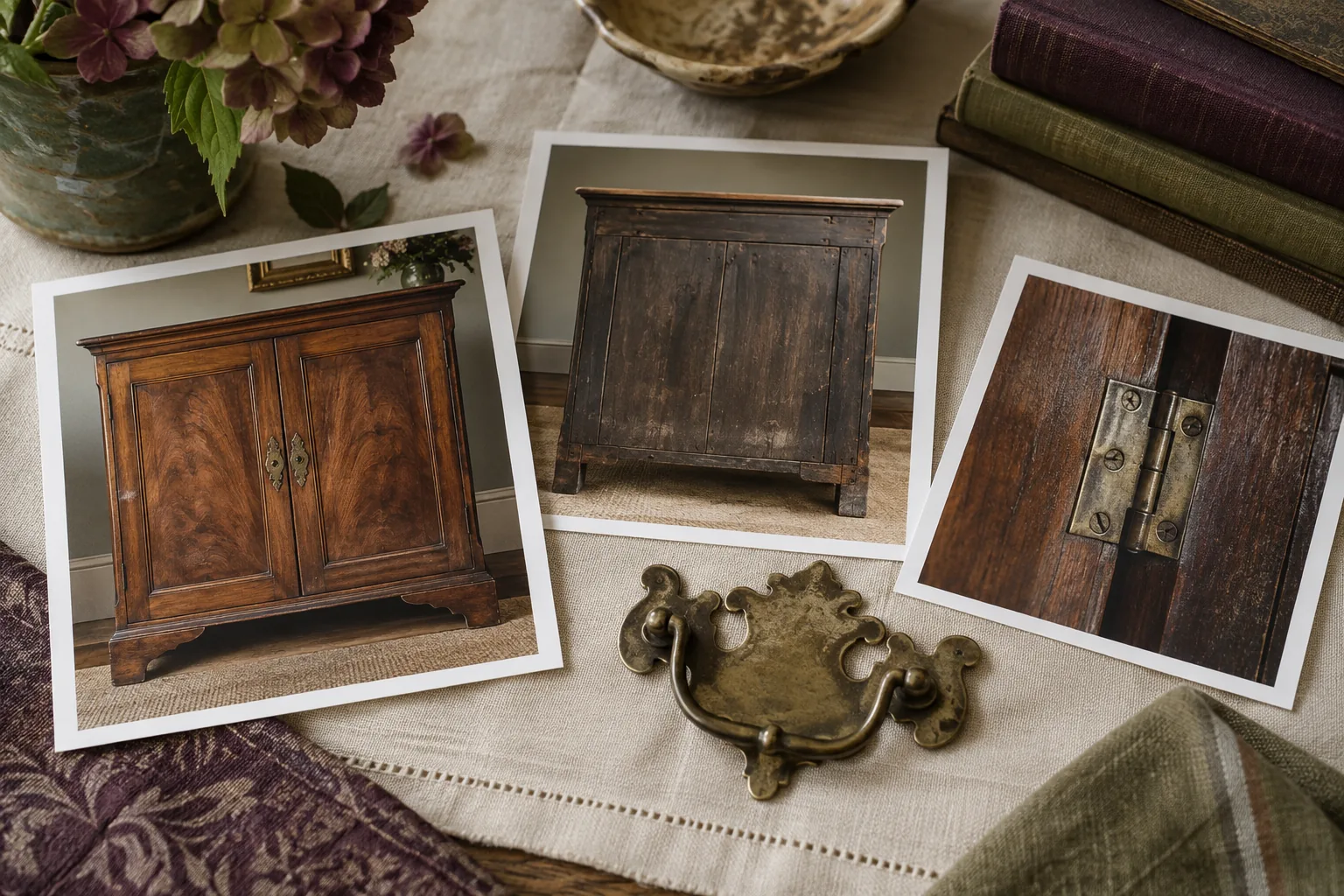
Add any essential condition requirements. You may need something ready for use, or you may be willing to arrange professional work before bringing it into daily service. Be honest about time, disruption and uncertainty. A project is not a simpler purchase merely because its initial price looks appealing. Your brief should describe the version of your life that exists now, not a future in which every spare weekend is available for restoration.
Keep preferences in a separate column
Colour, timber tone, handle shape and period can matter deeply without all being absolute requirements. Separate these preferences from the practical limits. This prevents a minor visual detail from excluding a piece that would work exceptionally well, while also making clear which aesthetic qualities are central to your enjoyment.
For example, you might require a shallow cabinet with usable enclosed storage but merely prefer a warm timber finish and simple doors. A painted piece could remain worth considering if it meets the important needs. Conversely, if visible wood grain is the quality you love, do not pretend it is optional just to make a near match acceptable. The distinction is personal; its value lies in making your priorities explicit before the excitement of shopping.
Describe what you are not taking on
A brief becomes clearer when it includes a few boundaries. Perhaps you are not considering upholstered projects, uncertain structural condition or pieces that require immediate specialist work. These are not judgements on the objects themselves. They simply identify what you can reasonably manage.
Include an overall spending limit that accounts for the whole purchase, such as transport and any necessary professional assessment, without assuming those costs will be negligible. Keep room for uncertainty where details are not yet known. If the piece depends on an unresolved cost to become usable, it has not yet passed the brief. You can investigate further, but you do not need to call it a bargain before the practical questions have answers.
Carry a short version with you
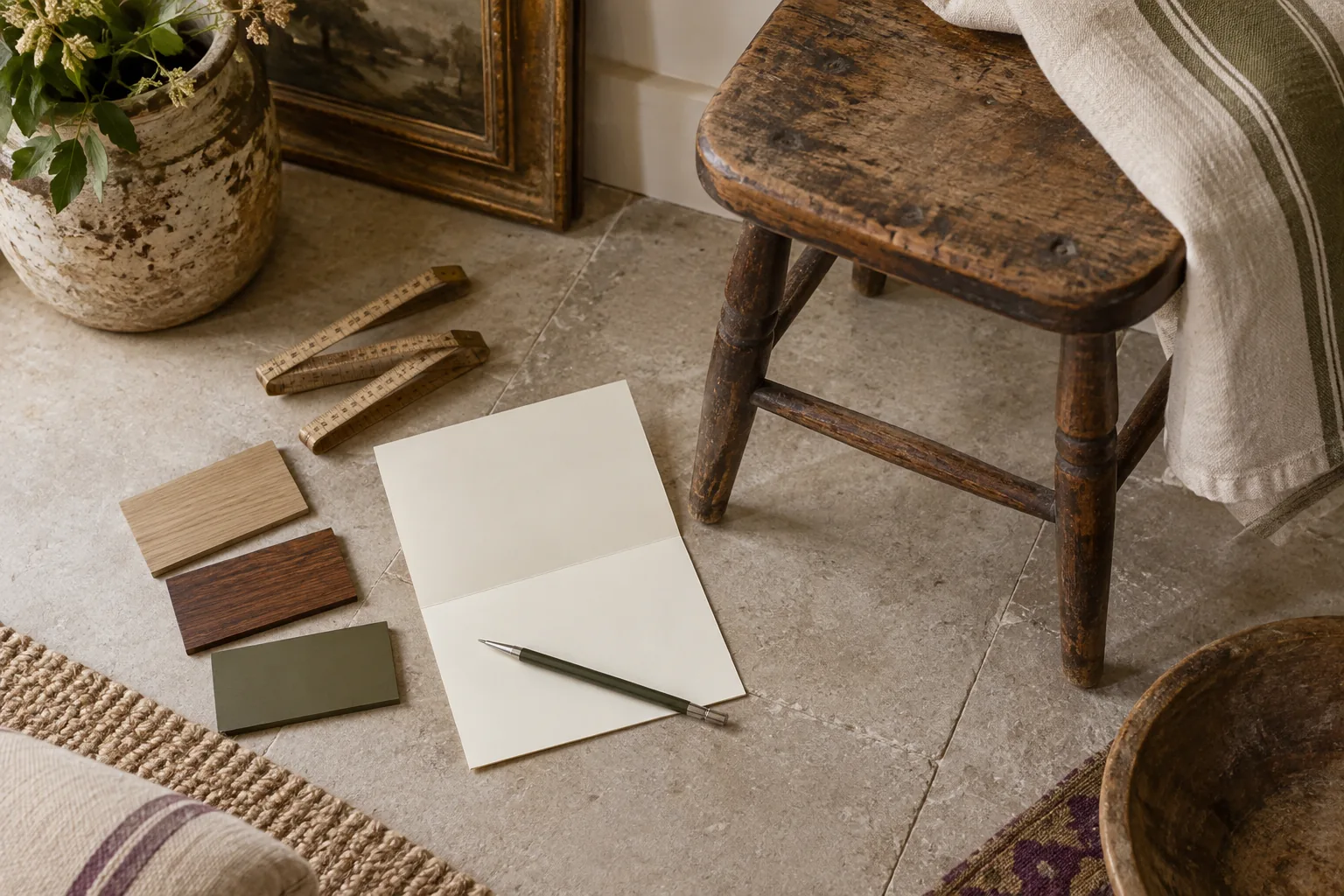
Condense the brief into a note on your phone: purpose, critical measurements, acceptable condition and a few preferred qualities. Add a photograph of the intended room so you can judge the relationship to existing furniture. The note should be short enough to consult while standing beside a piece, rather than a document you leave unread at home.
When something unexpected appeals, compare it with the brief rather than rejecting it automatically. It may solve the original problem in a better way. If it does not solve that problem at all, recognise it as a separate decision with its own space and budget. This allows room for discovery without letting every attractive find quietly rewrite what you set out to achieve.