Do not begin in the polish aisle
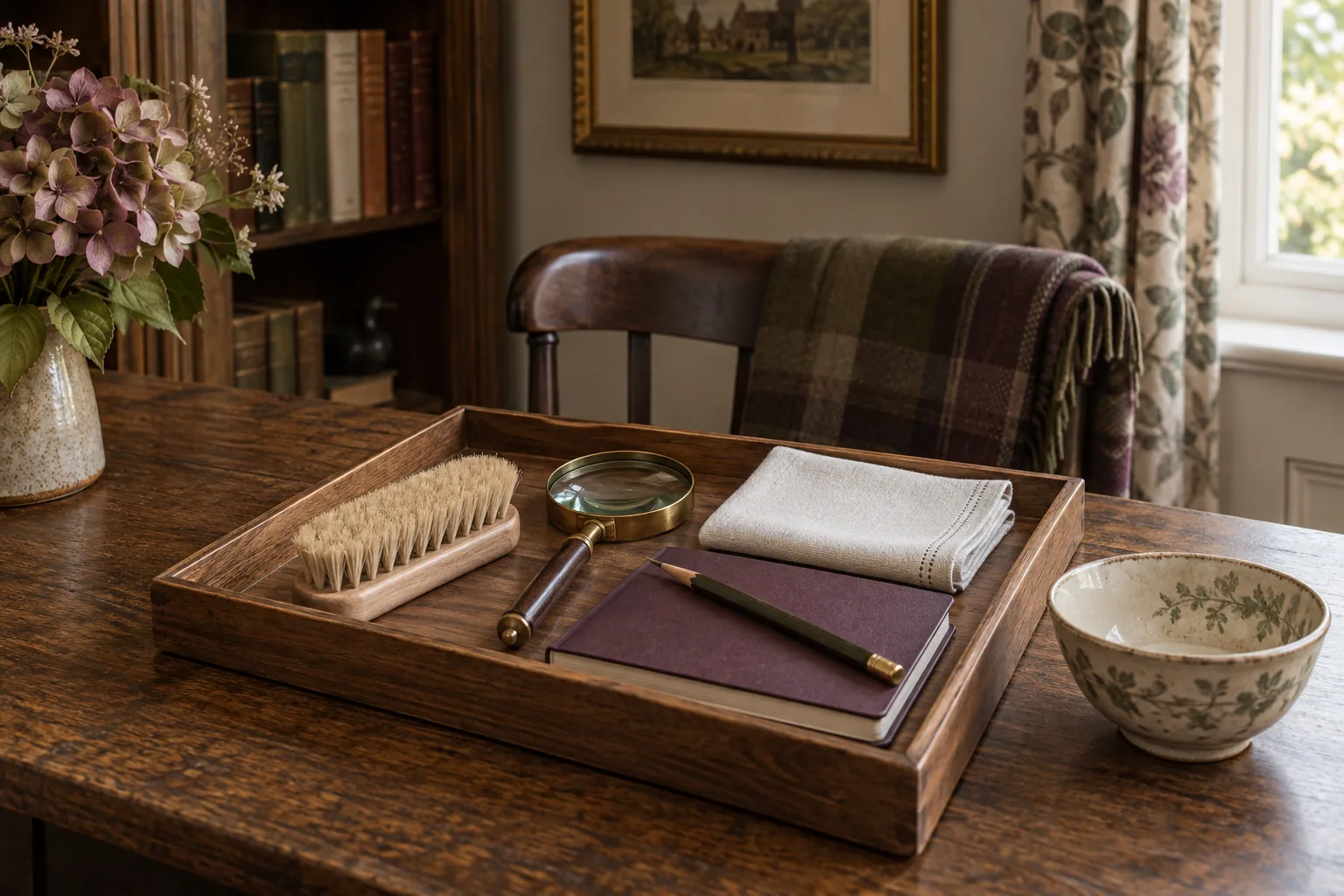
A collection-care kit sounds as though it should contain specialised bottles and impressive tools. For an ordinary home, the most useful starting items may be a notebook, a camera and a clear record of advice already received. Those things help you understand an object without changing it, which is an excellent first function for any kit.
Make a list of the materials you actually own and the routine care recommended for them. A small group of ceramics requires a different plan from framed works on paper or old upholstered furniture. Avoid buying a universal set of treatments before you know which, if any, are appropriate.
Keep observation easy
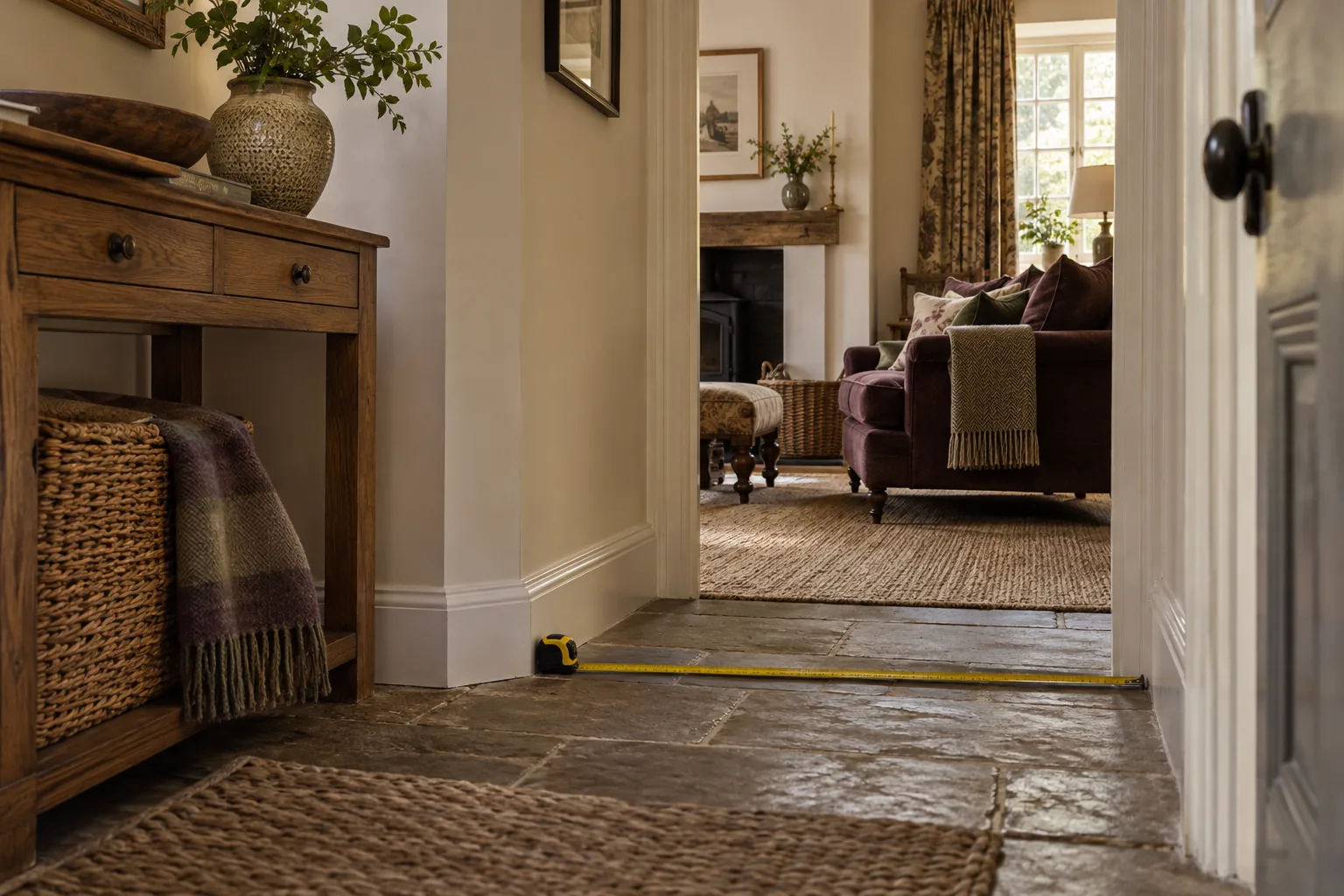
Store a measuring rule for use beside objects when scale is needed in photographs, along with labels for records or suitable separate packaging. Keep pens away from the objects themselves. A small torch can help you look at an accessible area, but should not become a reason to dismantle something or force it into a better position.
Set up a simple digital folder for photographs and care documents. A physical kit is less useful if the relevant treatment report is buried in an email account. Link each object to its information so that the next decision can begin with what is already known.
Choose cleaning materials only for defined tasks
If a conservator has recommended a particular cloth, brush or method for a sound surface, keep those supplies clean and separate from general household cleaning. Label their purpose in the kit rather than relying on memory. A cloth carrying residue from another job should not quietly become the furniture cloth.
Do not include abrasives, solvents, metal polish, adhesive tape or touch-up materials as default solutions for unknown surfaces. Their presence can encourage an improvised response to a mark or loose fragment. A specialist may use particular materials in a controlled treatment; that does not make them general household first aid for old objects.
The Canadian Conservation Institute's preventive framework is useful here because it considers avoiding and detecting damage as well as responding to it. A kit can support those first stages through records and organisation. It does not need to imitate a treatment workshop to be worthwhile.
Prepare for the small interruption
Keep contact details for relevant professionals and the location of your object records somewhere easy to find. If a fragment comes loose or a leak occurs, you should not have to begin by searching for the last person who advised you. An emergency plan can be brief while still making the next call clearer.
Have access to suitable temporary storage materials only where their use has been explained. A box is useful when it is the right size and material for the task; it is less useful when it invites you to bundle uncertain objects together. Ask for advice on protecting detached parts rather than inventing a universal wrapping method.
Review what the kit encourages
A good kit makes it easier to pause, look and record. If it mostly encourages polishing, gluing and repainting, reconsider its contents. Remove products with unknown histories or unclear purposes and follow appropriate disposal instructions. Retain labels and specifications for any products recommended for a particular object.
Review the notes when an object is sold, inherited, treated or moved to another role. Supplies and instructions should reflect the collection you have now. There is no prize for owning the fullest care cupboard. The useful kit is the one that helps you carry out a few appropriate routines, recognise when a task has changed and ask for informed help before a well-meant action becomes part of the damage.