Distance does not describe the whole risk
A ten-minute drive can involve several changes of hands, a crowded car boot and an awkward walk up steps. Ceramics do not become less brittle because the destination is nearby. The Canadian Conservation Institute identifies impact and breakage as central concerns for ceramic and glass objects. Plan the handling stages rather than judging the task only by mileage.
Start by deciding which pieces you can pack appropriately and which need professional help. A plain, sound bowl presents a different problem from a repaired figure with projecting fingers or flowers. If you do not know how to support vulnerable parts, a specialist packer can be a better investment than more layers of random wrapping.
Make an inventory while everything is visible
Photograph each object and record existing chips, cracks or repairs. Include lids and separate parts in the record. Give the objects simple references so the contents of each box can be identified without opening it repeatedly. This is particularly useful when several similar cups or small figures are moving together.
Prepare a clear work surface and keep unrelated household items away. Packing materials should be appropriate to the objects and chosen with advice where needed. Do not begin by placing everything in a pile and deciding later what belongs together. That first uncontrolled stage can be more awkward than the journey itself.
Protect the object, not just the box
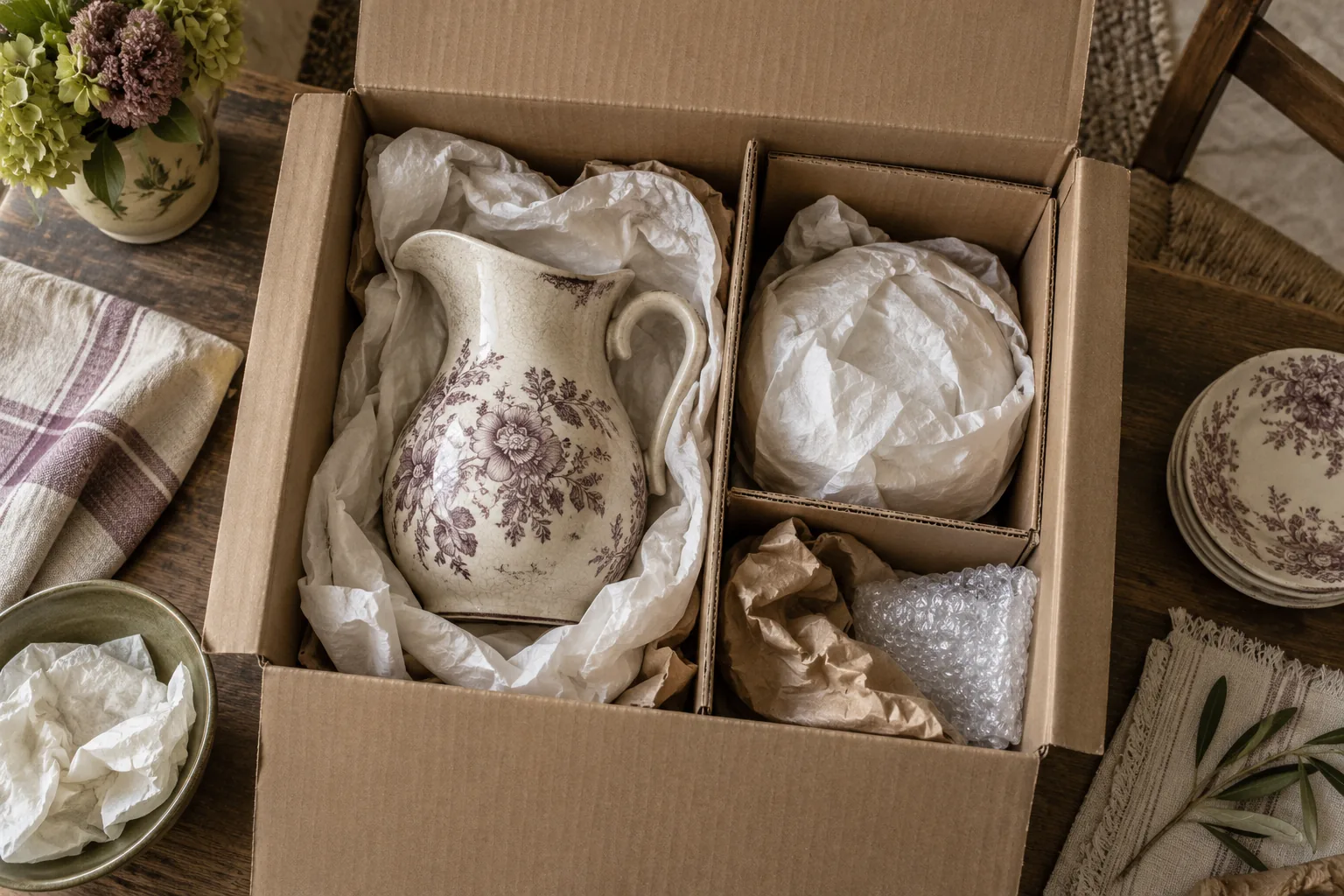
The purpose of packing is to prevent movement and harmful contact while supporting the piece appropriately. A generous quantity of material is not automatically a good design. Pressure on a handle, rim or projecting ornament can create problems even inside a heavily padded carton. Ask for guidance that addresses the actual shape and condition.
Do not attach adhesive tape directly to an object or wrap fragile projections tightly in an attempt to secure them. A repaired handle should not be treated as a carrying point. If an object has loose or separate components, record them and obtain advice about packing them independently while preserving their association.
Plan the vehicle and the handover
Decide where boxes will travel and how they will be prevented from shifting. They should not become supports for heavier household items added at the last minute. Tell everyone helping which boxes require particular care and how they should be carried. Clear, simple labels are more useful than a general announcement that some things are fragile.
Agree who is responsible at each stage, especially if a seller, courier and recipient are all involved. Keep the inventory and photographs accessible. If a professional packer provides instructions, pass them on intact rather than summarising them as handle carefully. The useful details are often precisely what that phrase leaves out.
Unpack into a prepared place
Make room at the destination before opening the first box. Work without rushing and check packaging carefully for small components before setting it aside. Compare the objects with the inventory and condition photographs. If damage is found, retain the relevant packaging and document the situation promptly before arranging specialist advice.
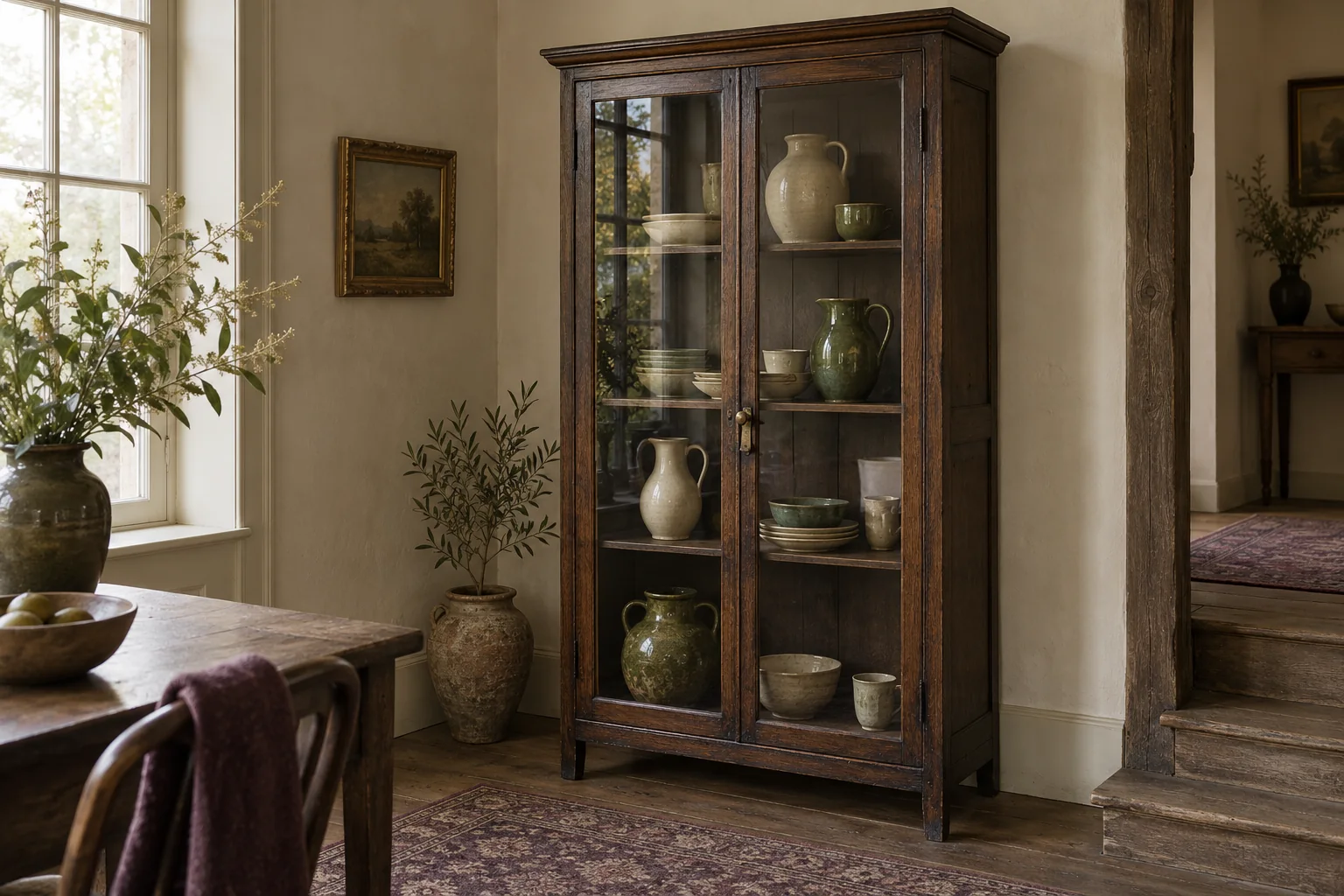
Resist placing everything immediately onto the nearest crowded shelf. The move is a chance to choose stable, accessible positions and reduce unnecessary handling later. A ceramic collection does not need a dramatic unveiling. It needs each object accounted for, safely supported and easy to identify, so the short journey ends with the same collection you began packing rather than a collection of unanswered questions.