Softness can come from more than quantity
A room does not necessarily become more inviting with every cushion added. Softness also comes from a curtain's fall, the texture of upholstery and the contrast between a woven throw and a smooth wooden table. Look at these larger relationships before adding another small accessory. You may already have enough textiles, arranged in a way that hides their differences.
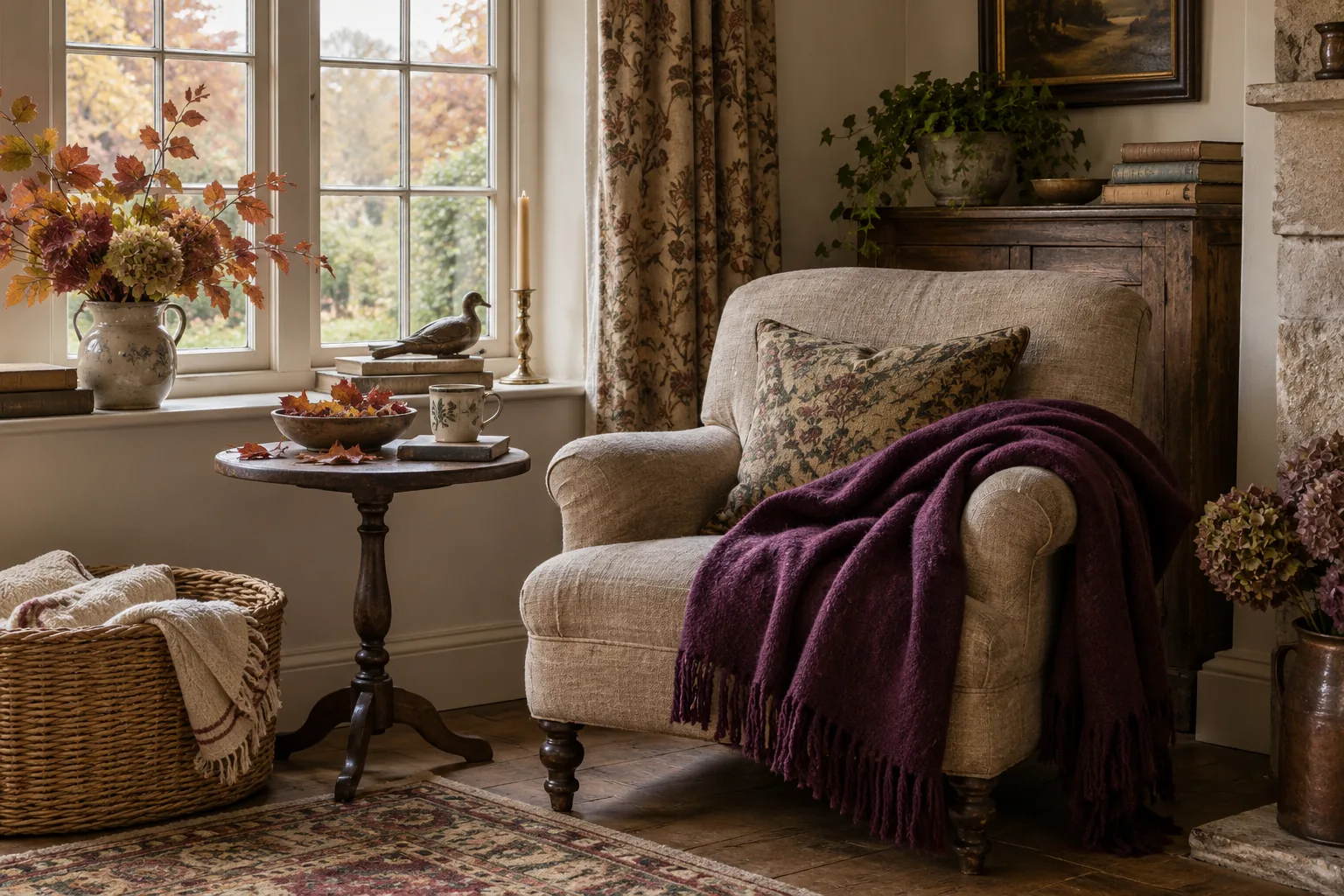
Choose where softness is most useful. A hard-backed chair may benefit from an appropriate cushion, while a comfortable sofa might need only a throw within reach. Bedrooms often gain more from good bedding and a manageable extra layer than from an elaborate display across the pillows. Let the textiles support how you sit, rest and move around the room instead of using their number as a measure of comfort.
Build a conversation between surfaces
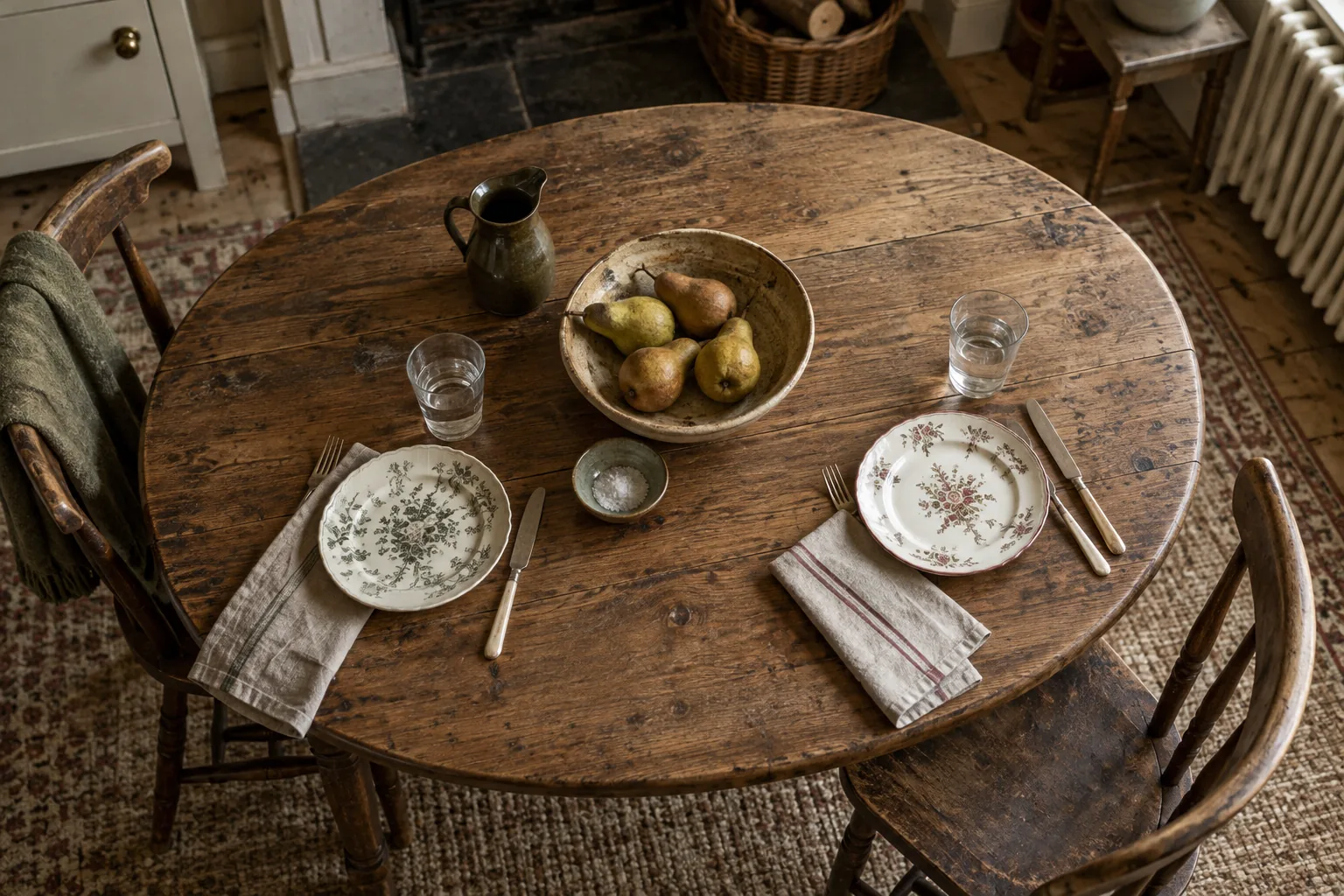
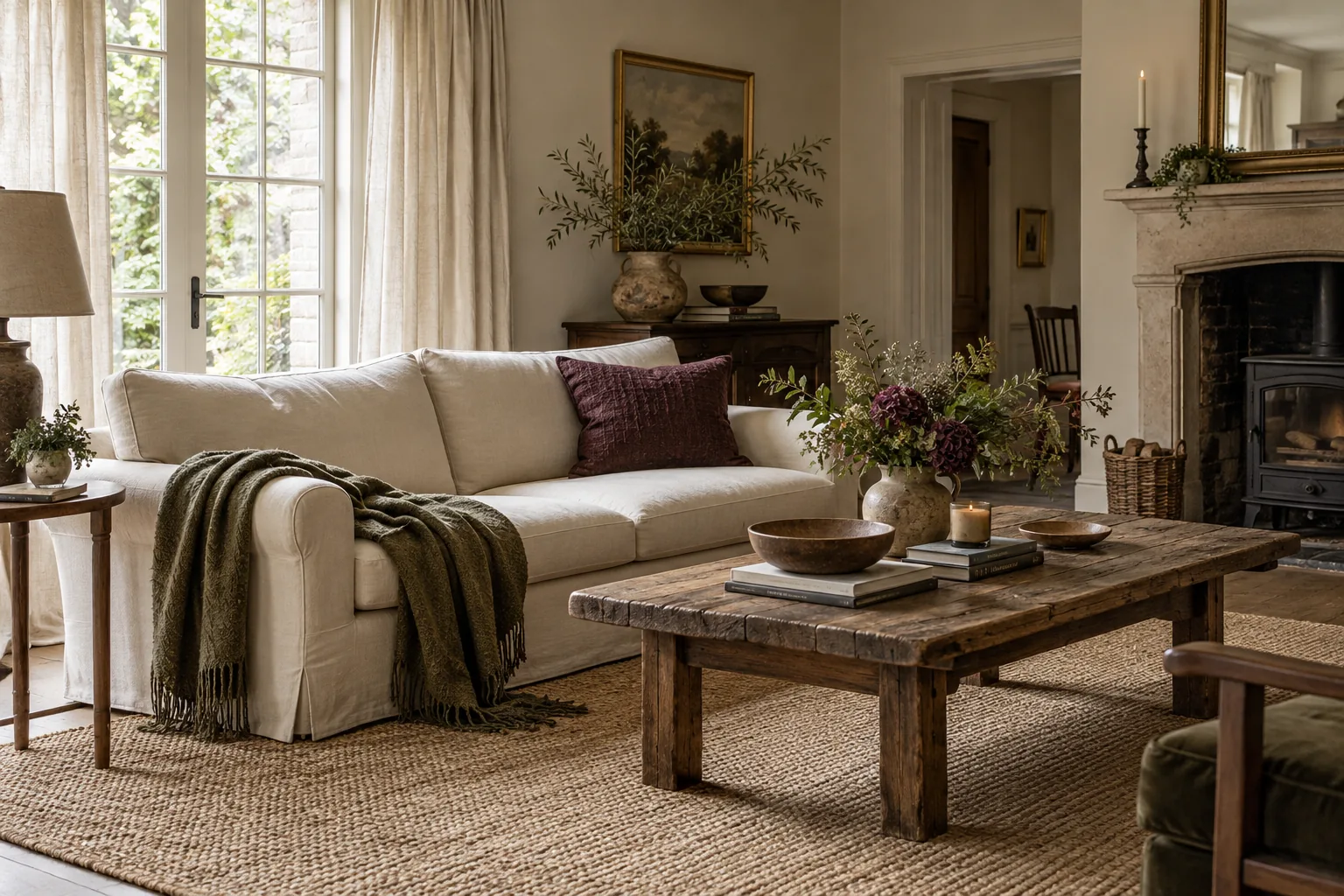
Try pairing materials with different qualities: a crisp cotton beside a rougher weave, or a soft woollen texture beside smooth upholstery. The contrast can be subtle, particularly within a restrained colour palette. This gives the room interest without relying entirely on patterned fabrics.
Older textiles can contribute distinctive colour and workmanship, but assess their condition and suitability for the intended use. Delicate pieces may need a protected decorative role rather than daily wear on a favourite seat. Keep practical layers easy to care for, following their care instructions. A beautiful textile that makes everyone worry about sitting down is poorly placed, however well its colours suit the room. There is usually another way to enjoy it without asking it to withstand a task beyond its condition.
Spread the layers through the room
Concentrating every textile on one sofa can make that part of the room feel overloaded while the rest remains hard and bare. Consider whether a curtain, a suitable rug or a textile on a separate chair would create a better balance. Each surface contributes to the overall impression even when the colours are quiet.
Leave some timber, metal or painted surfaces clearly visible so the soft materials have something to contrast with. A room covered uniformly in fabric can feel visually heavy. Use the furniture's lines as part of the composition: a throw folded over one arm reveals more of a chair than a cloth draped across the whole back. The way a textile is placed changes its effect almost as much as the fabric itself.
Make the evening reset easy
Notice what happens to the textiles during a normal evening. If cushions are repeatedly dropped on the floor, remove some. If a throw never gets used because it is tucked into an awkward decorative fold, place it more simply. A basket or a clear shelf can hold spare layers where they remain accessible without occupying every seat.
Seasonal changes can be small: exchange a heavier throw for a lighter one or reduce the number of layers on the bed. You need not replace the whole palette. A settled room can change its feel through texture and amount while keeping its familiar colours and furniture. The most convincing textile arrangement is one that still looks natural after someone has curled up, read for a while and left a blanket loosely folded over the arm.