An attractive object is not always your object
You can admire a beautifully shaped bowl without buying it. That sounds obvious until you are standing in a shop, imagining that someone else will take the only example you have seen. The pressure of the moment can make liking something feel like a responsibility to own it.
Give yourself a smaller decision. You are not deciding whether the object deserves appreciation; you are deciding whether it belongs in your home, within your space and means. A photograph or a note can preserve what you learned from it. Sometimes recognising a good shape sharpens your taste more than taking another object home.
This is especially useful when you collect a broad category. Pottery, glass and textiles offer endless appealing variations. Without a boundary, every shopping trip becomes an opportunity to add something and very few become an opportunity to understand what you already own.
Name the place before paying
Picture the actual shelf, cabinet or wall. What would move to make room? Can the object be supported safely? Will you still be able to open the drawer beneath it or use the table beside it? A definite place makes the purchase concrete, while a vague somewhere at home can hide a storage problem.
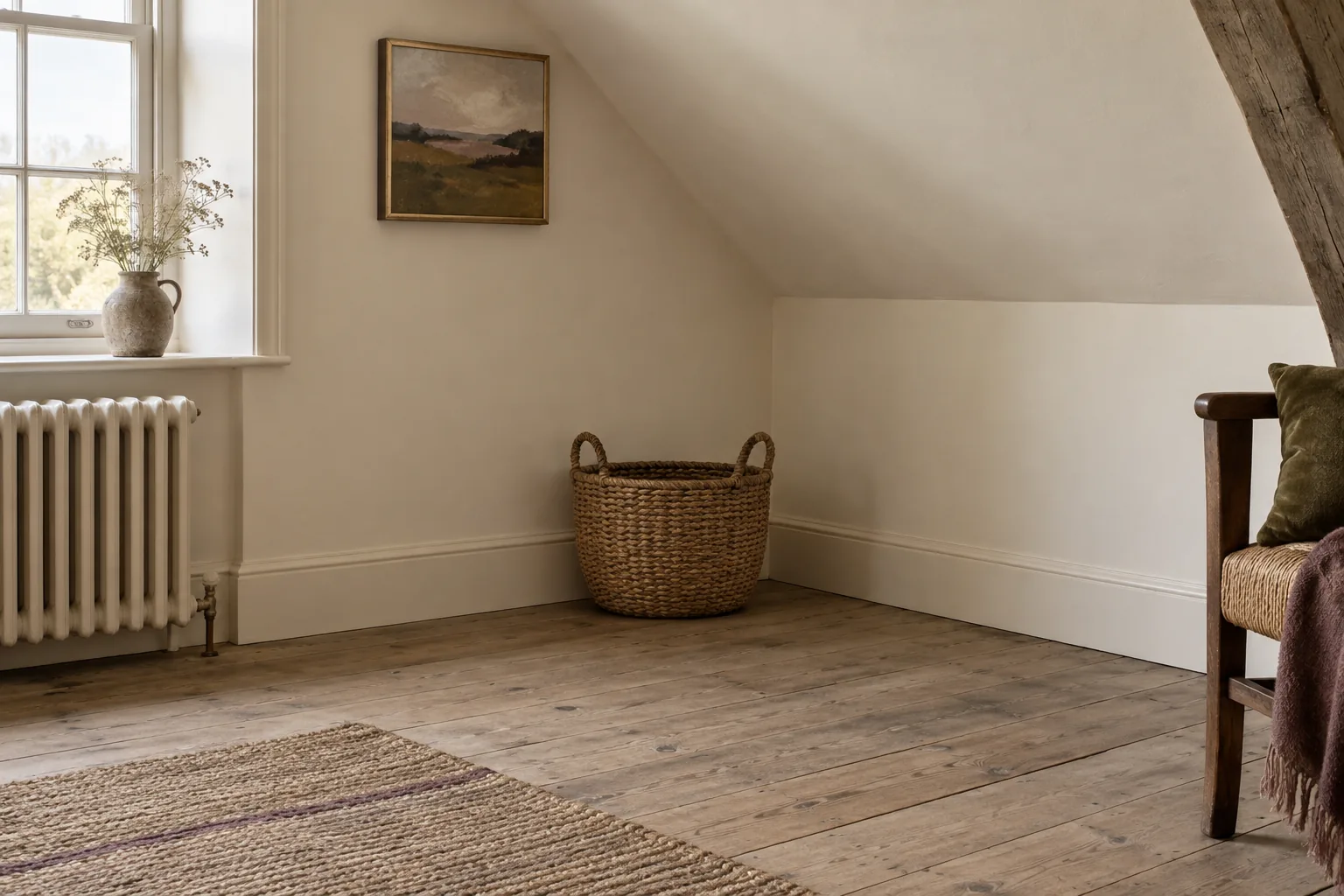
Measurements help, but so does an honest look at the room. Take a photograph of the intended space and keep it available when shopping. You may discover that the shelf needs a lower shape, a quieter colour or nothing at all. Empty space is not evidence that the collection is unfinished.
If the object will replace another, think about the outgoing piece before buying. Selling, donating or passing something on takes time and should be done responsibly. A proposed replacement can easily become an addition if you postpone that decision indefinitely.
Include the unglamorous costs
The asking price is only part of the commitment. Delivery, suitable mounting, professional assessment, storage and future care may matter. A framed picture with damaged glazing asks for more than wall space. A fragile textile needs more thought than a spare drawer. Put these requirements beside the appeal rather than discovering them afterwards.
Be wary of a purchase whose entire justification is that it is cheaper than usual. A bargain you do not enjoy or cannot accommodate is still an expense. Likewise, uncertain resale value should not make an otherwise unwanted object feel compulsory. Buy within a budget you are comfortable spending on the pleasure of ownership.
A waiting period can clarify the decision when the sale format allows it. Step outside, have lunch or revisit your room photograph. If you return, look at condition again before paying. Familiarity can make flaws easier to ignore, so keep your earlier questions visible.
Recognise the duplicate in disguise
Sometimes the tempting new find performs exactly the same role as something you own. Two bowls may differ in glaze and maker yet share the same size, outline and likely position on a shelf. Ask whether you want to compare them as a deliberate collection or whether you have simply rediscovered a preference.
If comparison is the pleasure, make room for both and acknowledge that purpose. If you only need one strong bowl for the sideboard, the second may add little. A photograph of your existing piece can help you recognise the difference between developing an interest and repeating the same purchase because the first successful choice felt good.
Make selection part of the pleasure
Spend time with the collection between purchases. Rearrange a shelf, photograph a detail or research a mark you have already recorded. These activities can satisfy the same curiosity that sends you shopping, while making the next purchase more informed.
Keep a short record of objects you admired but left behind and why. You may notice a useful pattern: pieces were too large, too similar to something owned or dependent on a repair you did not want. That pattern is information about your preferences, not a list of missed chances.
A collection can grow slowly and still feel alive. The objects that remain gain room, attention and a clearer relationship to one another. Choosing less does not require a sparse home; it simply means that the things you keep have survived a little thought as well as an initial burst of enthusiasm.