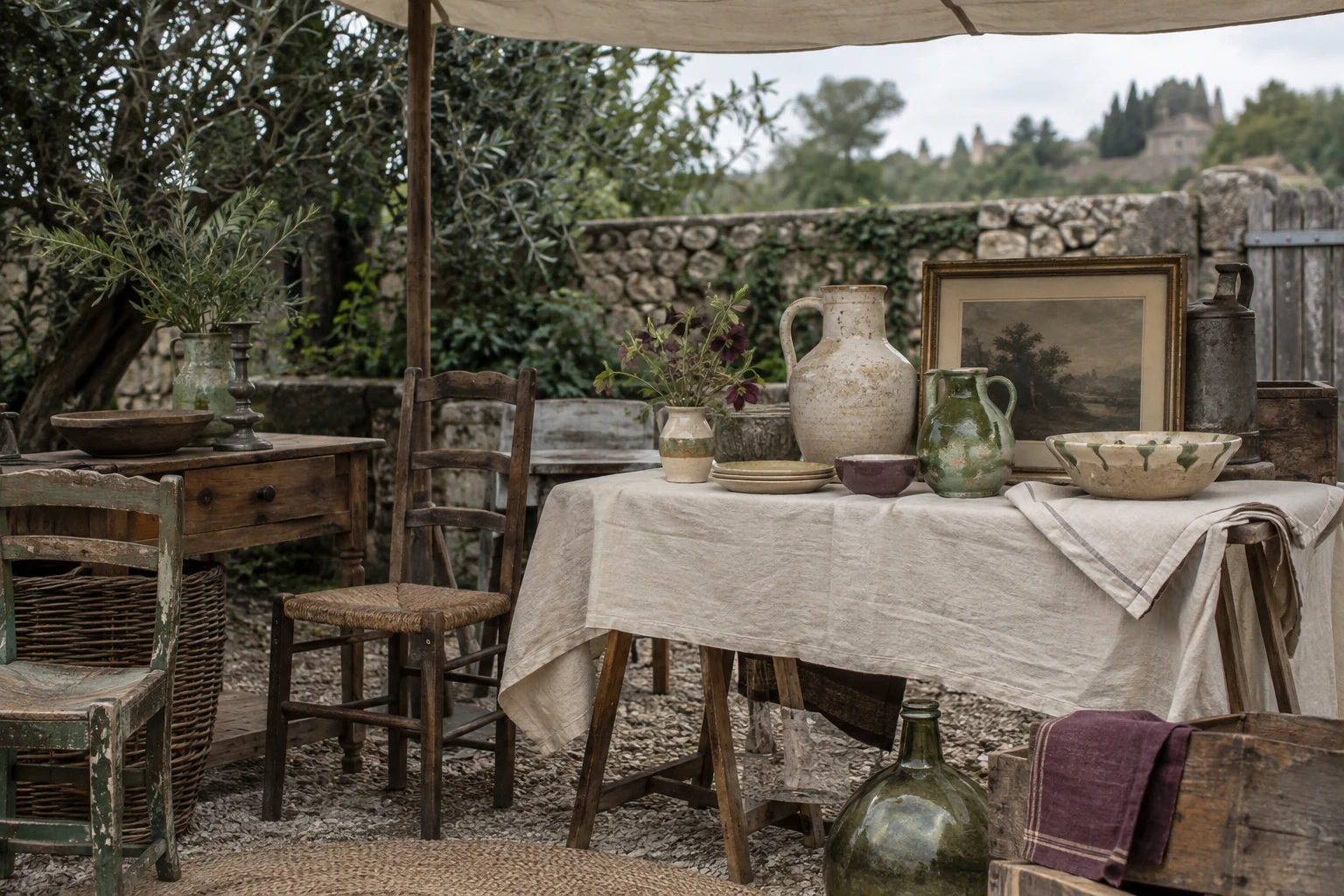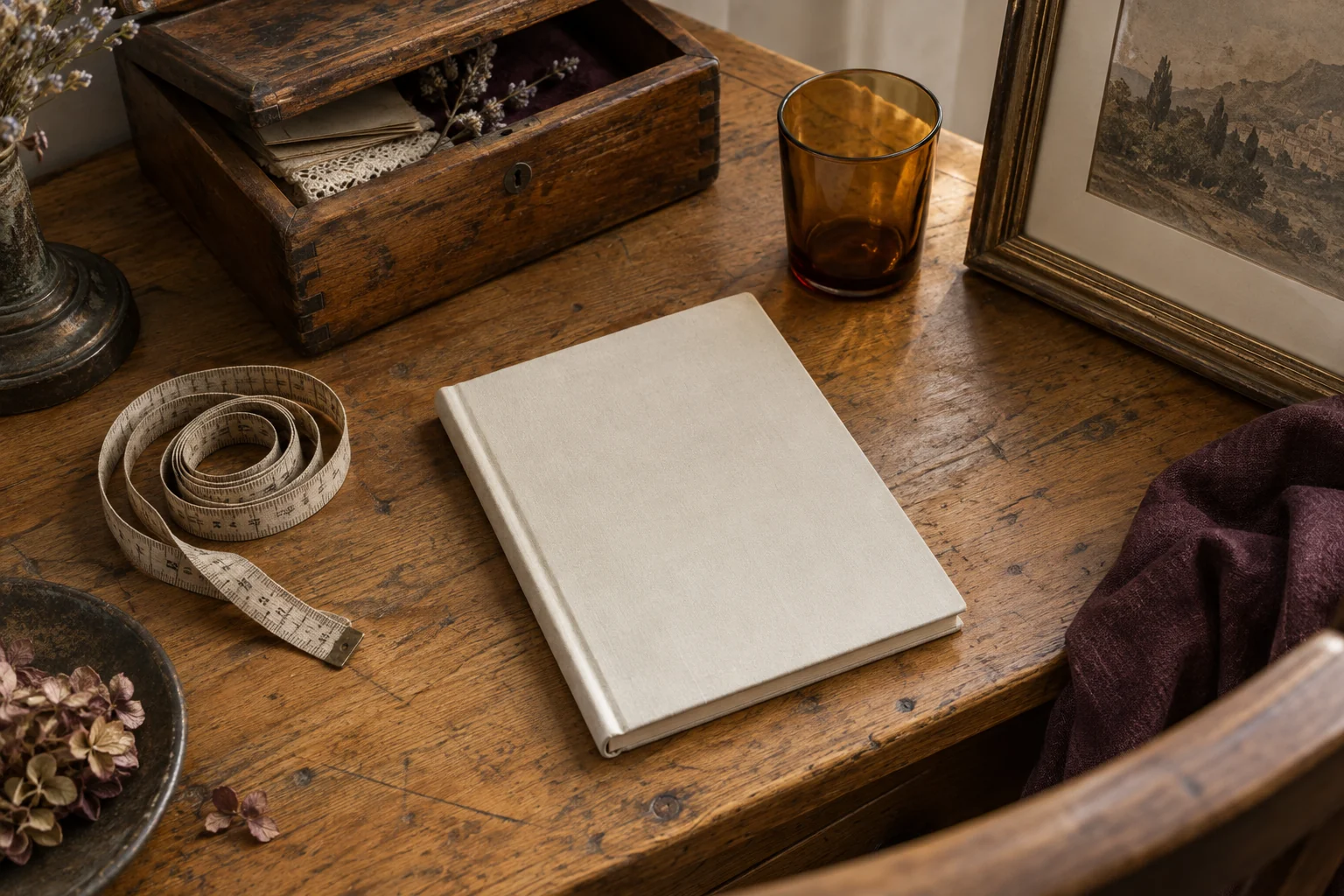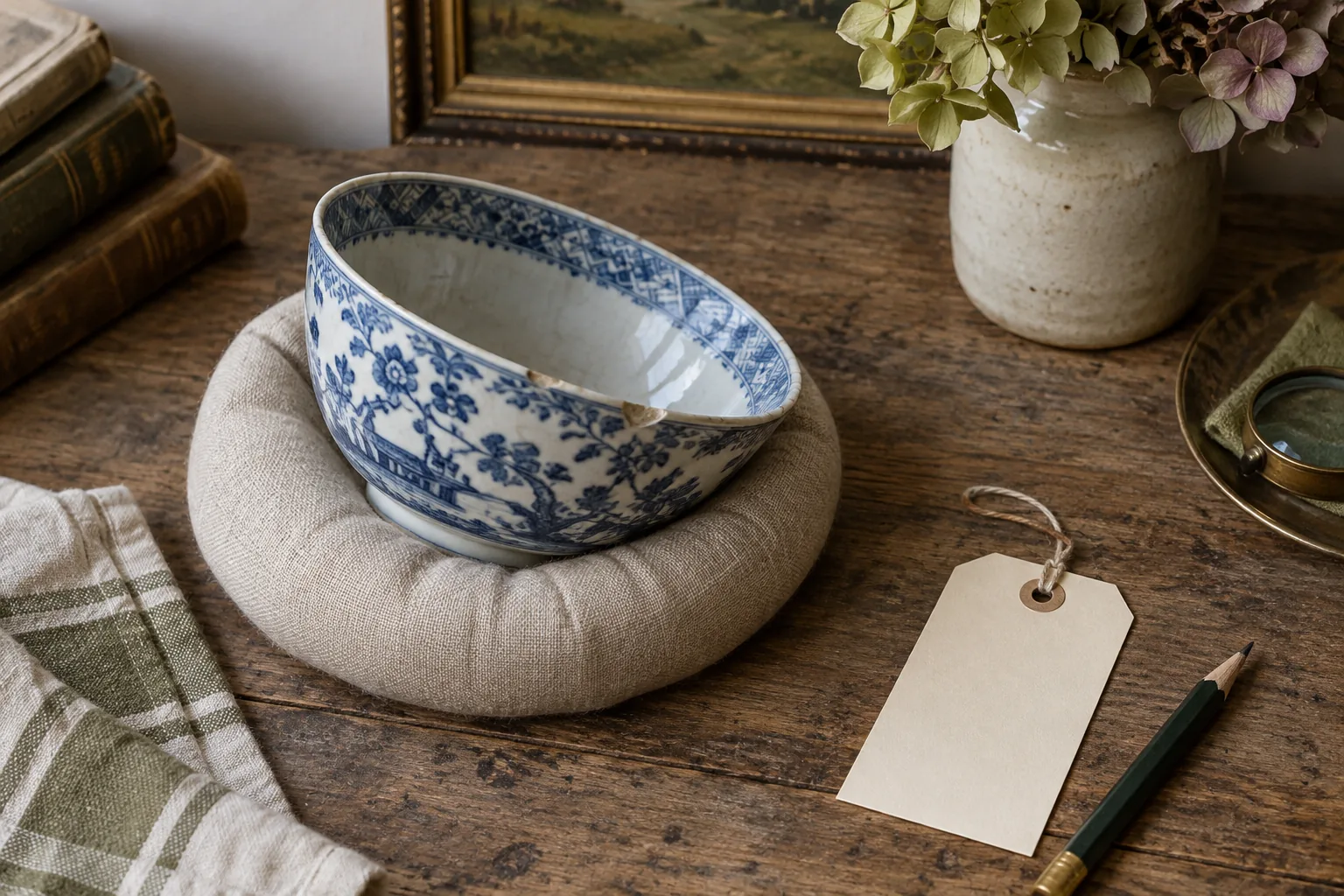
Describe instead of diagnosing
You do not need specialist vocabulary to make a useful condition note. Start with what you can see: a pale line beside the handle, a small missing area on the rim, a loose lid or a dark patch on the back. Plain descriptions are more valuable than guessing whether something is a firing fault, a repair or harmless age.
Add the location and approximate size. A chip somewhere becomes much clearer when it is recorded as a small loss on the rear lower edge. Photograph it with enough surrounding area to show where it belongs. Keep a close view too, but do not let magnification replace a photograph of the whole object.
A note should acknowledge limits. If you cannot see the base or inspect the interior, write that down. Unseen is not the same as undamaged. This habit is particularly useful when buying online, where an attractive sequence of photographs can still leave important areas out.
Ask questions that can be answered
Replace a broad question such as is it in good condition with specific ones. Ask whether a lid sits securely, whether a joint moves, whether a line continues inside the vessel or whether the seller knows of any restoration. Specific questions tend to produce more useful replies than a general reassurance.
Request ordinary photographs without props covering the object. Reflections, flowers and folded fabric can conceal parts unintentionally. If the seller cannot provide a particular view, decide whether the uncertainty is acceptable. You are not obliged to settle every question, but you should know which ones remain open before paying.
Do not ask someone to stress-test a fragile object on your behalf. Flexing a handle, scraping a finish or dismantling a mechanism is not a reasonable way to prove condition. For a significant purchase, an appropriate specialist examination is a better route than increasingly adventurous experiments.
Connect condition to your intended use
The same flaw can matter differently depending on the job. A missing foot might make a box unstable on a desk; a rear surface blemish might barely affect a wall display. A repaired handle could be visually acceptable while making the object unsuitable for regular lifting. Decide what you actually need it to do.
Avoid making restoration the invisible second half of the purchase. Get a realistic assessment of feasibility and cost where repair is essential. Some changes cannot be reversed, and not every mark can be removed safely. Buying something you can appreciate in its present condition is often the least complicated choice.
Include practical consequences in your note: needs a suitable stand, requires professional hanging, decorative use only or difficult to store. These are not faults in the object, but they are commitments you are taking on. A low price does not cancel the need for space, support and appropriate care.
Keep the arrival record
When the object arrives, compare it with the listing and photograph its condition before any cleaning or alteration. Retain the seller's description and correspondence with the receipt. If something differs materially, you will have a clear record for discussing it rather than relying on memory.
Update the note when new information or professional work becomes available. Keep observation, seller statement and specialist opinion distinguishable. A collection does not require elaborate administration, but accurate notes help prevent uncertainty from becoming a confident story. They also make it easier to notice a new change and decide when an object needs attention.