Ask how exact the match needs to be
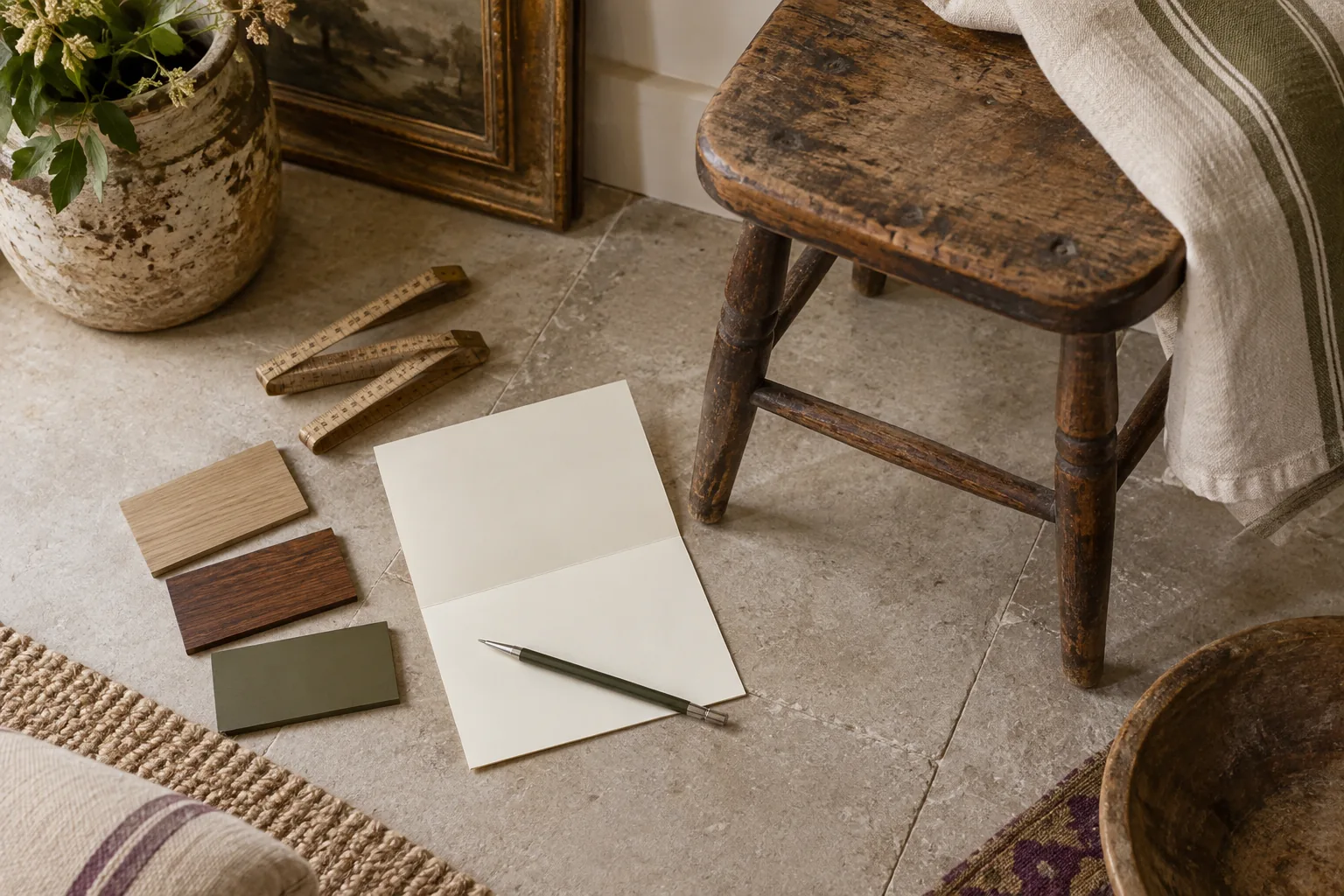
Some purchases can tolerate a broad range of colour. A warm wooden table may sit happily among several different timber tones. Other plans depend on a much closer relationship, such as placing a textile beside an existing patterned curtain. Decide which situation applies before expecting photographs to provide certainty.
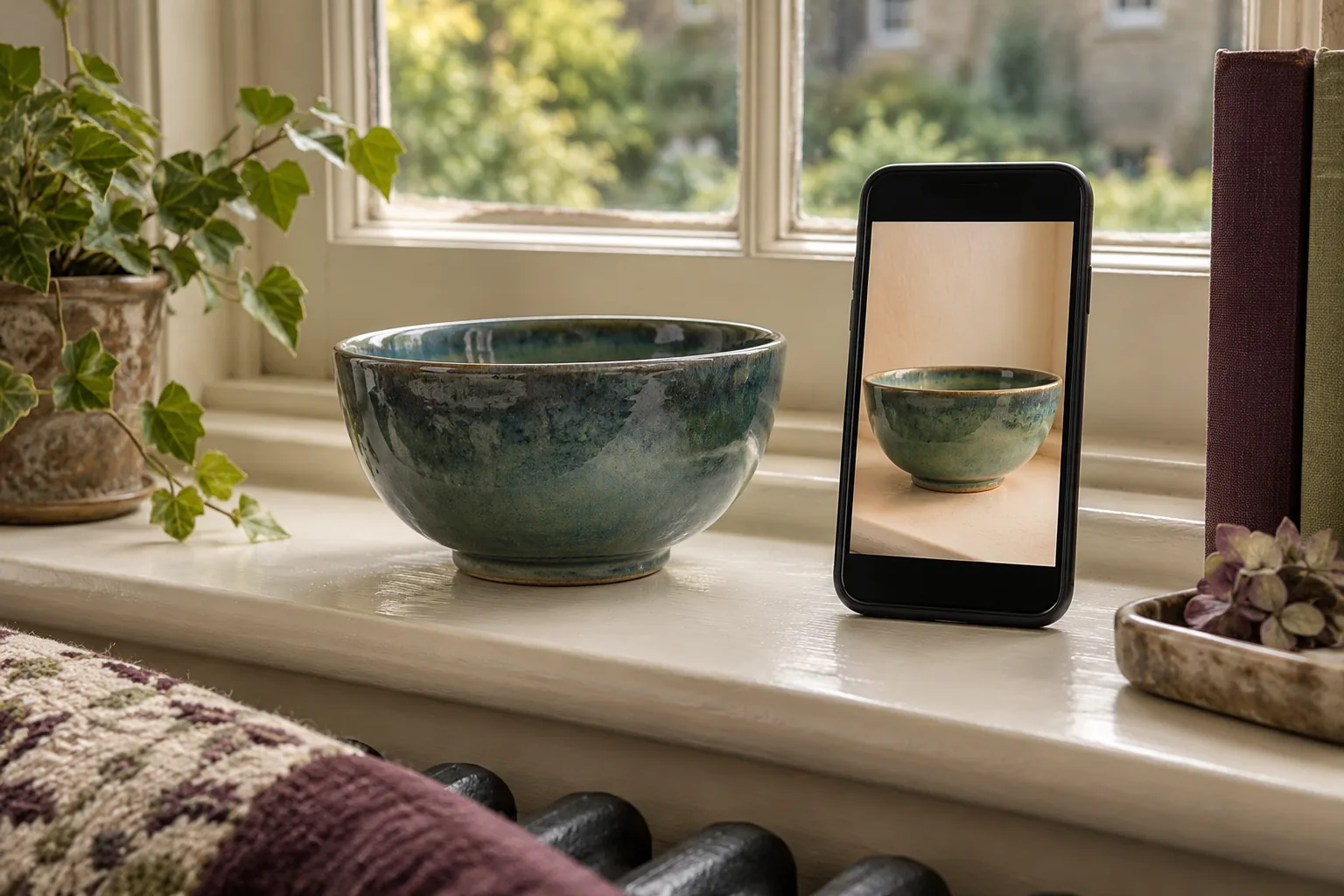
If a slight shift from brown to red or from blue to green would change your decision, remote assessment may not be enough. Cameras, lighting and screens can alter the appearance of colour. More photographs can improve your understanding, but they do not turn a screen into a guaranteed sample. Your tolerance for variation should be part of the brief from the beginning.
Compare photographs rather than trusting one
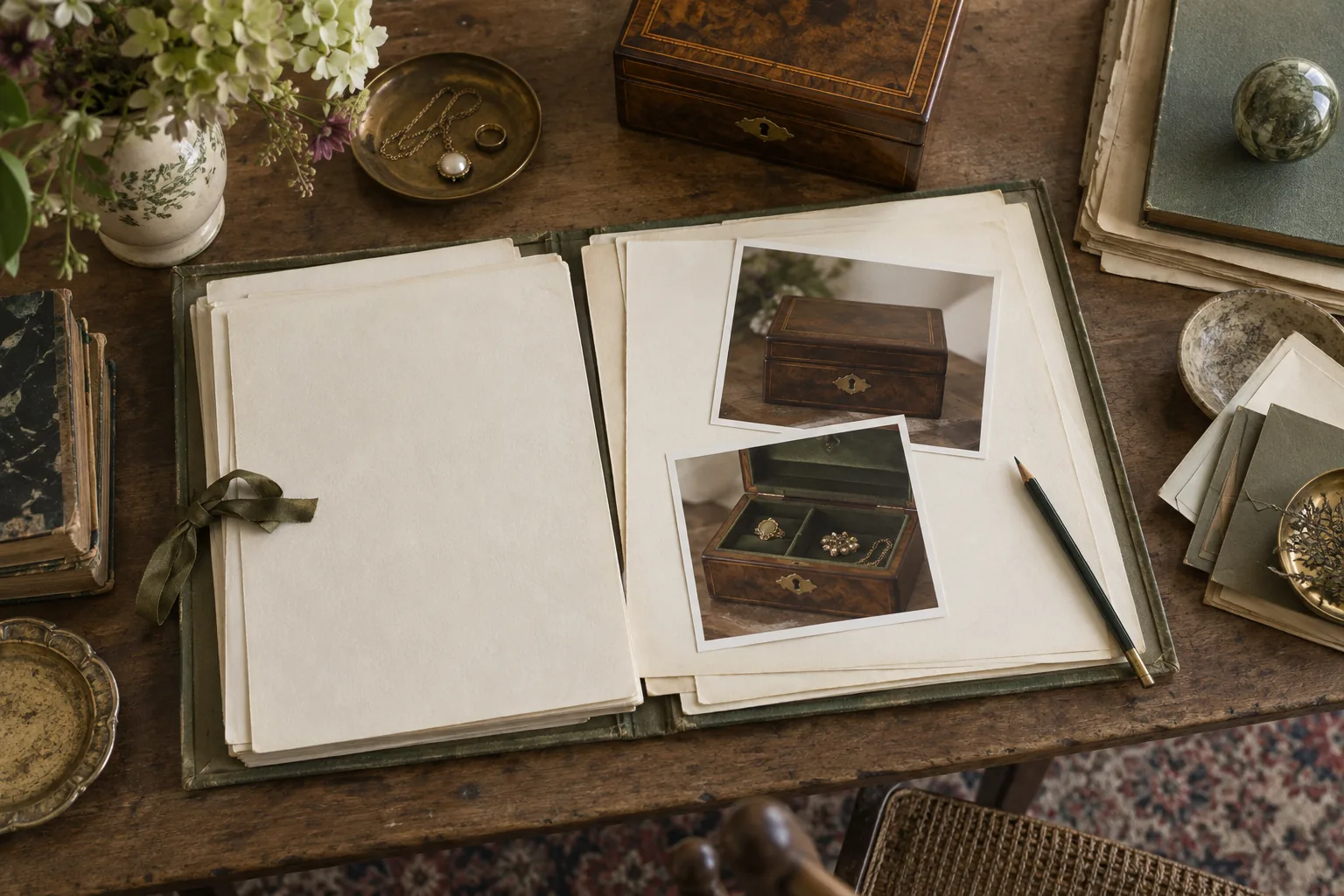
Look across the available images for changes in tone. A piece photographed near a window may appear different from the same object under warm room lighting. Background colours and reflections can also affect the impression. Ask for an ordinary daylight view if the existing photographs are heavily styled, filtered or difficult to interpret.
A seller's written description can help establish whether the real object appears warm, cool, muted or noticeably uneven. Ask a focused question instead of requesting an exact match to a photograph of your own room. Both sets of images may be altered by their recording conditions, so agreement between them can still be misleading.
Look for variation within the object
Older surfaces may not have one uniform colour. Tops, fronts and sheltered areas can differ, while a glaze or textile may change in appearance across its pattern. Request views of the parts that will be most visible in the intended position. One flattering front view may not show the surface you will see from above every day.
Ask whether repairs, replacements or refinishing have introduced visible differences. You do not need to reject variation automatically; it may be part of the appeal. The useful point is to understand whether the appearance is broadly consistent with your expectations or whether a feature important to the room remains hidden in the current photographs.
Use an in-person view when colour is decisive
If practical, view the piece in suitable light before making a colour-sensitive purchase. A permitted sample of an existing fabric or a photograph can help you remember the room, though neither replaces seeing how materials relate in the eventual setting. Avoid placing anything against a vulnerable surface without the seller's agreement.
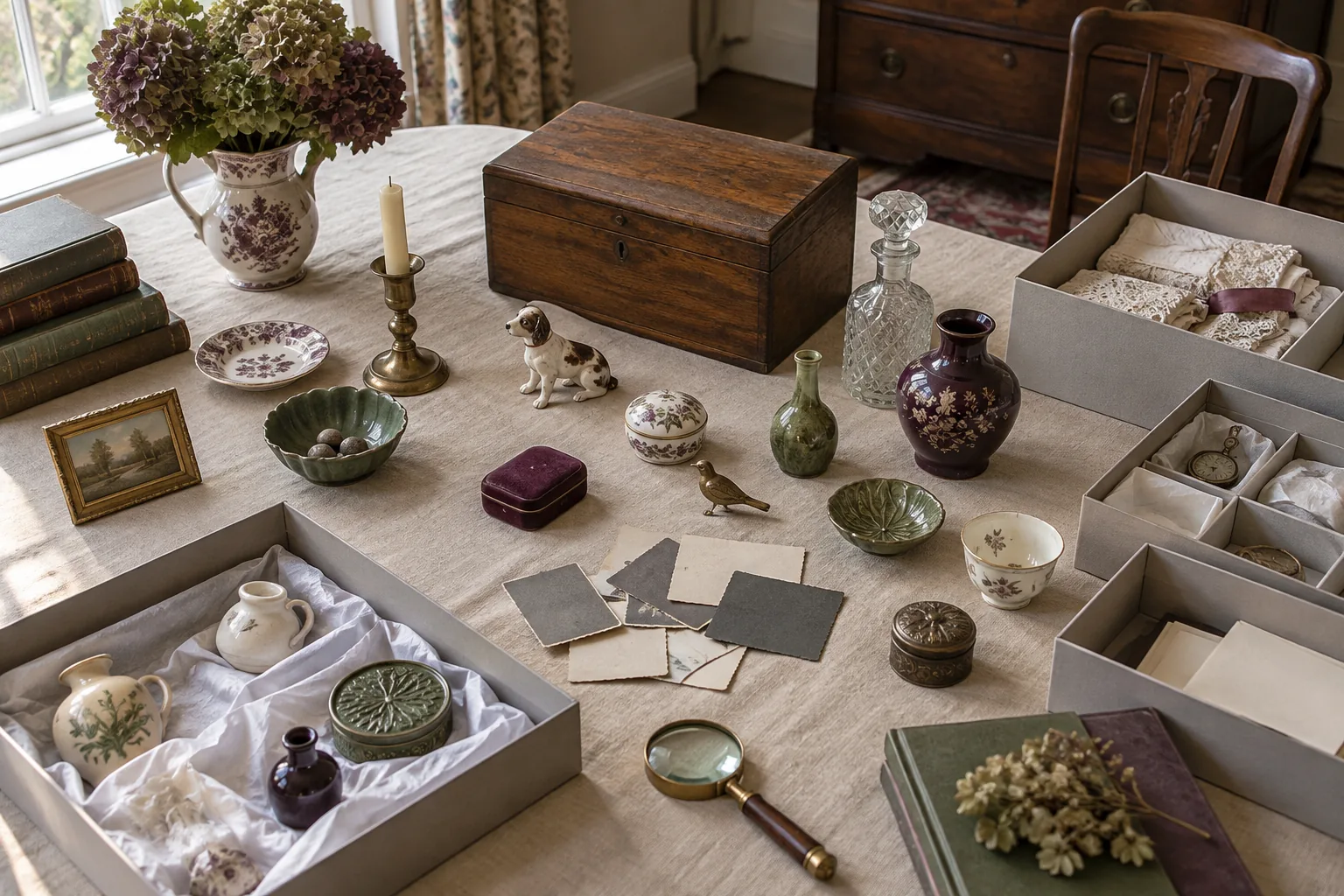
Consider whether the room actually needs an exact match. A deliberate difference in tone can be easier to live with than two near matches that seem slightly wrong beside each other. You might connect the pieces through shape, texture or a shared accent colour instead. This is a design choice, however, not a reason to accept an uncertain colour when a close match is essential to you.
Make the decision with the uncertainty intact
Before buying remotely, describe the range of colour you would be comfortable receiving based on the evidence. If only one precise shade would work, acknowledge that the available information may not support the purchase. Check the actual transaction terms rather than assuming you can resolve a mismatch afterwards.
Save the photographs and the seller's description with your records. Once the object arrives, assess it in the room's normal daylight and evening conditions before rushing to change everything around it. The aim is a considered decision about colour, not a promise that every screen image will reproduce itself at home. A little flexibility can be helpful, provided it is chosen consciously before the purchase.