Say what you are trying to understand
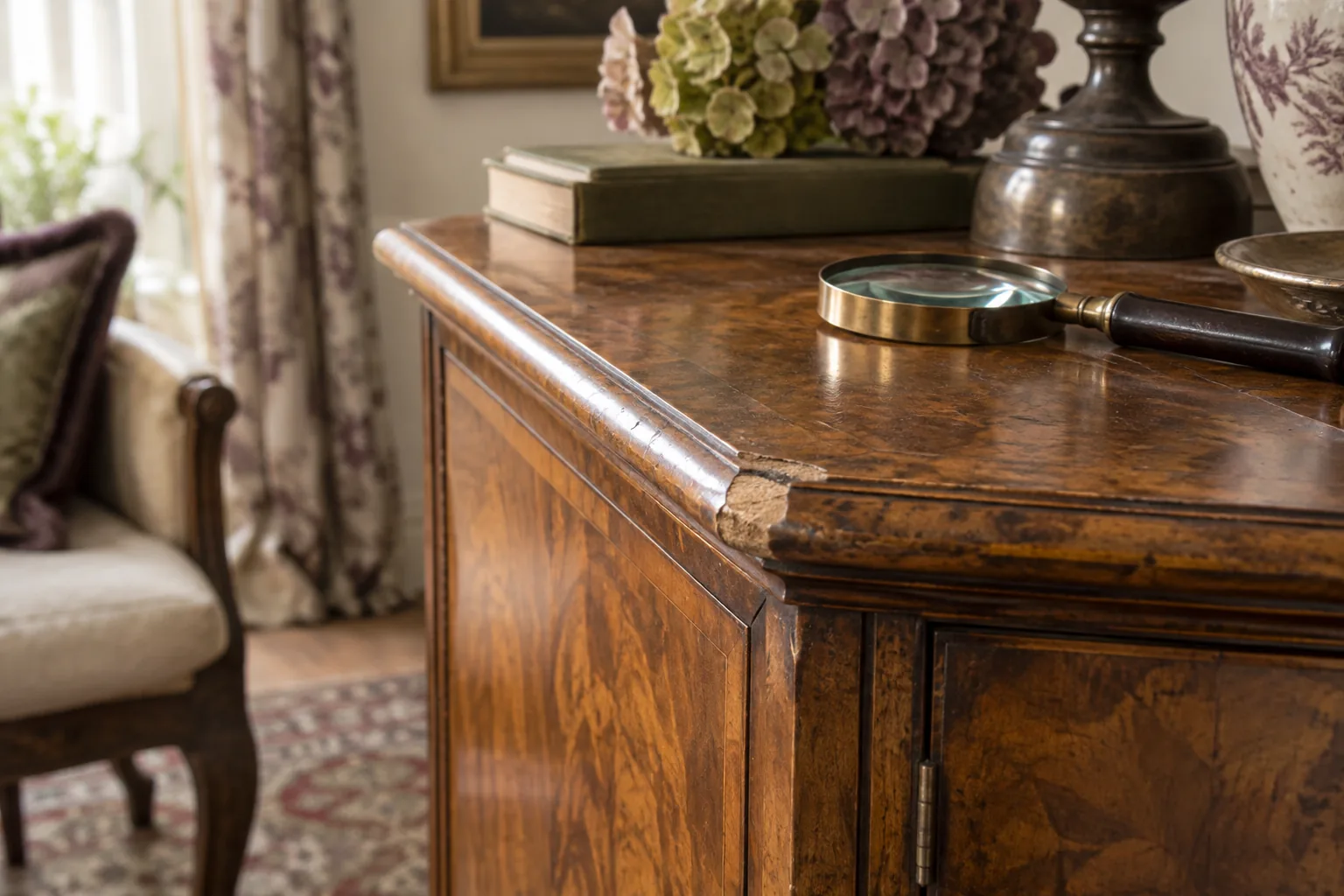
Extra photographs are most helpful when they answer a defined question. Perhaps you need to understand the extent of a stain, the position of a repair or whether the back is finished in the same way as the front. Tell the seller which point matters instead of asking for more images in general. This makes the request easier to fulfil and the response easier to assess.
Begin with the photographs already available so you do not ask someone to repeat information that is clearly shown. If an image is present but too small or dark to be useful, explain that. A short, courteous message focused on two or three essential views usually works better than an exhaustive inspection list copied without reference to the particular object.
Ask for context as well as detail
A close-up can show a mark sharply while leaving its size and location uncertain. Request one image of the detail and another showing it within the whole surface. If dimensions matter, ask for an actual measurement rather than relying on the apparent scale of a hand or a background object.
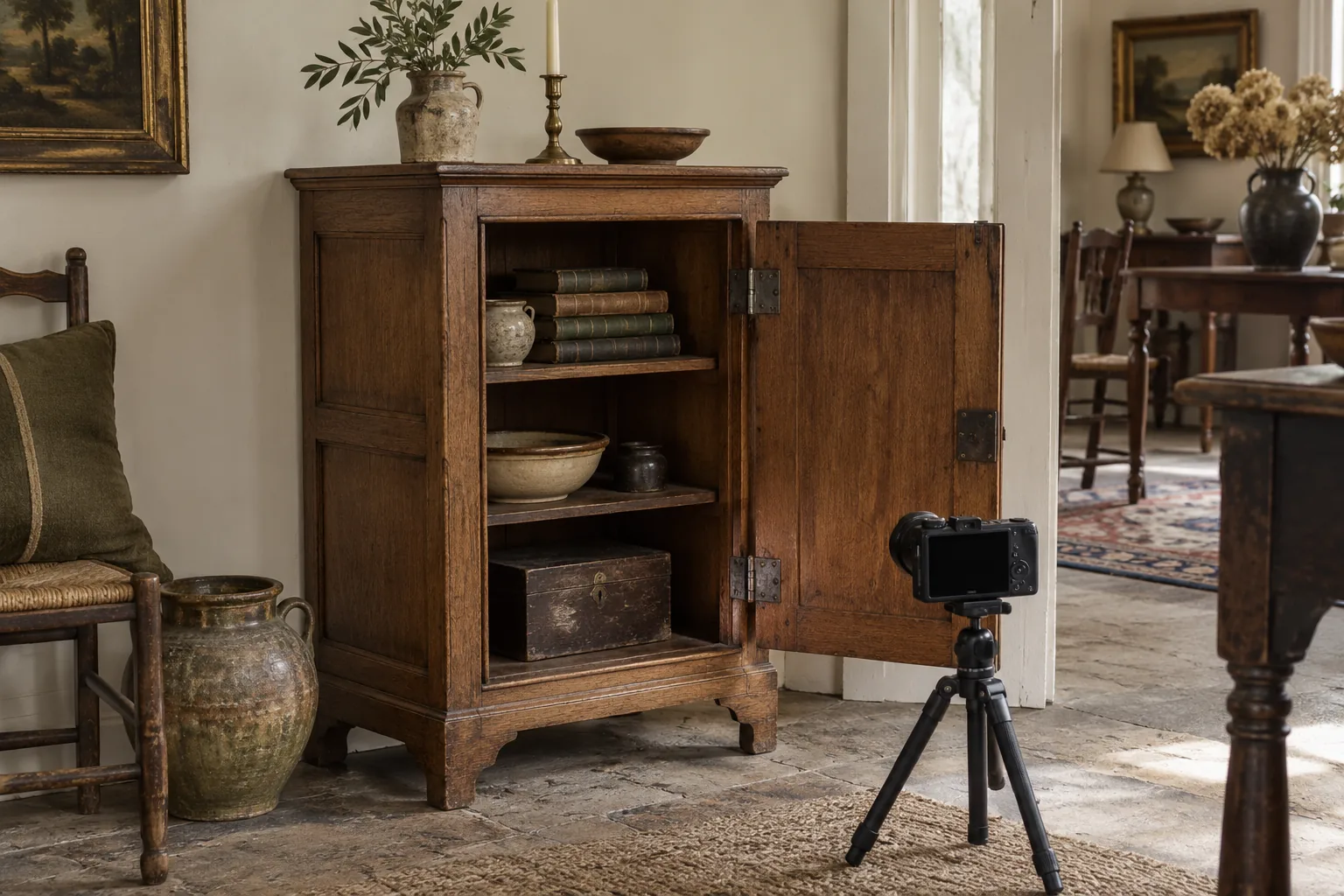
For an interior or underside, explain which area you need to see. The seller may be able to photograph an open drawer or accessible base safely, but do not ask them to dismantle, lift or turn a heavy or fragile object in an unsafe way. If the necessary view cannot be obtained reasonably, discuss another way to assess the point, such as an in-person viewing or a suitable specialist inspection.
Three requests with a clear purpose
For a disclosed repair, you could write: 'Could you show the repaired area close up, then include one photograph of the whole side so I can see where it sits?' The close view helps explain its visible appearance; the wider image establishes its prominence. Neither photograph alone establishes the repair's strength or method.
For storage, try: 'Would you photograph the cupboard open and confirm the clear internal shelf width and depth?' This combines a useful view with measurements rather than asking you to estimate capacity from an image. For a surface mark: 'Could you show the top in ordinary daylight, including the marked corner, without anything covering it?' That request addresses the gap directly while avoiding an assumption about whether the mark can be removed. Adapt these examples to the item rather than sending all three automatically.
Keep colour questions realistic
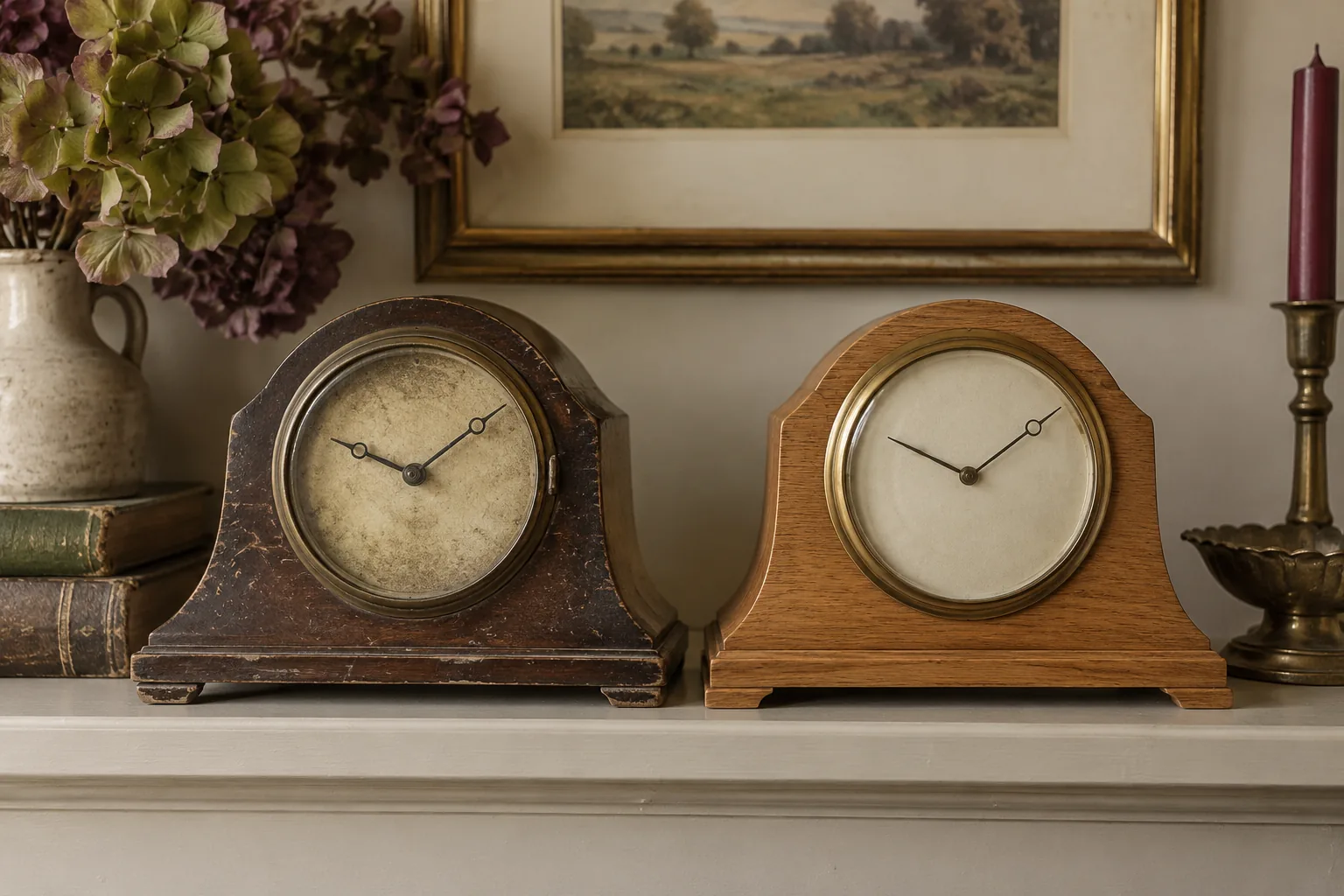
If colour is important, ask for a photograph in ordinary indirect daylight without decorative lighting or filters. Even then, cameras and screens can render colour differently, so treat the result as a useful indication rather than a guarantee. A written description of whether a tone appears warm, cool or faded may add context.
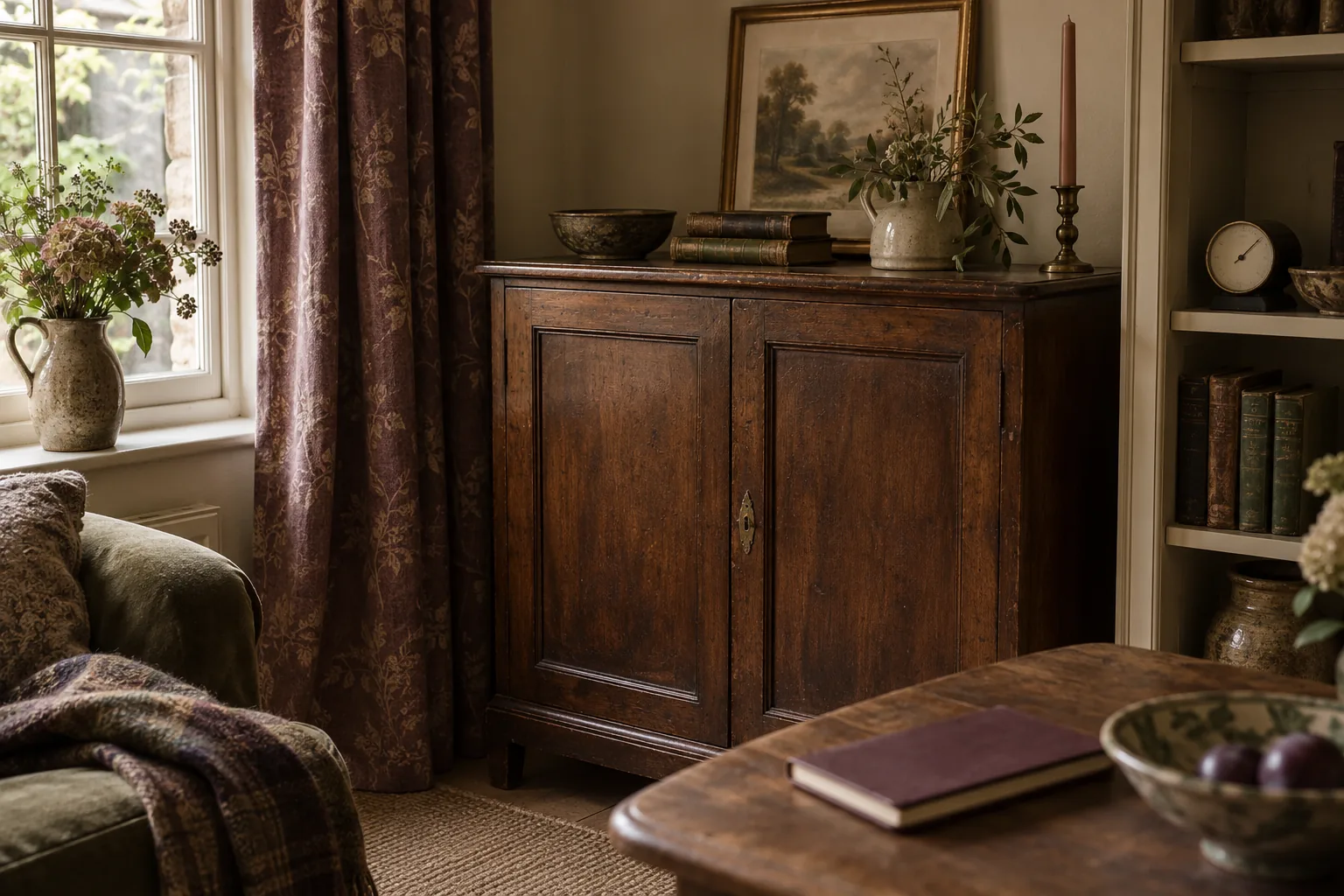
Ask whether the surface changes noticeably across the piece. A top and a sheltered side can look different, and one overall photograph may not reveal that variation. Avoid making a seller promise an exact match to your existing furniture from a screen image. If a close colour match is essential, you may need to see the object in person before deciding whether it belongs in the room.
Pair the photograph with a written answer
Some questions are not visual. Ask whether a drawer operates normally, whether a repair is known or whether there is an odour rather than expecting a photograph to answer indirectly. The seller may not know every detail, and that uncertainty should remain explicit.
When a new photograph appears to show something unexpected, ask neutrally about it. A dark line could be a shadow, a joint or damage; identifying it from a compressed image alone may be unreliable. Keep the discussion about the item rather than making an accusation. Clear questions are more likely to produce useful information, and the written exchange gives you a record of what was represented before the purchase.
Know when enough has been shown
Once the information needed for your decision is available, stop requesting minor variations that will not change the outcome. You do not need a complete photographic archive to buy an ordinary decorative object. Focus on the uncertainties that affect its use, condition or your enjoyment.
If an essential question remains unresolved, pause the purchase rather than allowing the growing conversation to create a sense of obligation. Asking for information does not make the item right for you. Save the relevant images and replies if you proceed, and make your decision from the whole picture: dimensions, condition, intended use and total cost, with the photographs serving as one part of that assessment.