Do not assume the order
A listing may give three numbers without explaining which is height, width or depth. Even when the order seems obvious from the photograph, ask the seller to label them. A simple clarification is easier than discovering that the dimension you relied on referred to a different direction.
Confirm the units as well, especially when descriptions have been copied or converted. Keep your own notes in a consistent unit so comparisons remain clear. If a conversion is important to a tight fit, retain the original measurement and avoid optimistic rounding. Numbers can look precise while the method behind them remains vague; the goal is to understand what was actually measured, not merely to collect more digits.
Ask where the measurement begins and ends
Furniture often has several possible widths or depths. A projecting top, curved front, handle or spreading foot can extend beyond the main body. Ask for the maximum overall dimension where fit matters, and request the body measurement separately if it helps you understand the shape.
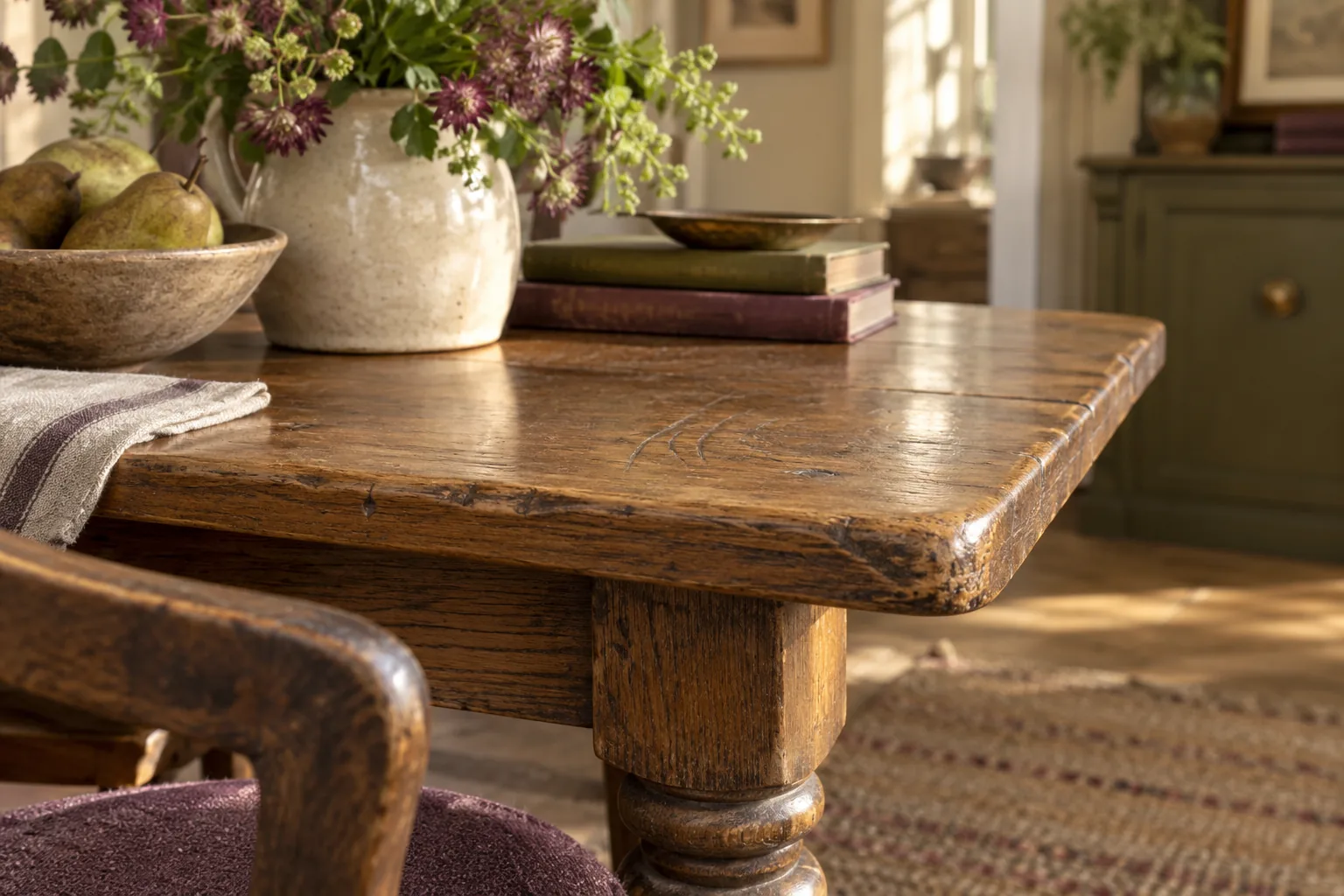
For round or irregular objects, specify the dimension you need rather than assuming a single diameter describes every part. A bowl may have a broad rim and a narrow base; a table may have a top that projects differently on each side. The useful measurement depends on the position and task. Tell the seller why the point matters so they can measure the relevant part accurately.
Distinguish external size from usable space
A cabinet's overall dimensions do not establish what will fit inside it. Ask for internal shelf width, depth and clear height when storing particular belongings. Drawers may taper or have obstructions, so identify the area that needs to accommodate your items rather than relying on the front's apparent size.
Tables and seating also have useful measurements beyond the obvious outline. Knee space, the position of stretchers and the relationship between seat and table can affect comfort. A seller may not have recorded these details because they were not relevant to the original listing. A focused request is reasonable when those dimensions determine whether the object can serve the purpose you are buying it for.
Resolve contradictions rather than choosing the nicer number
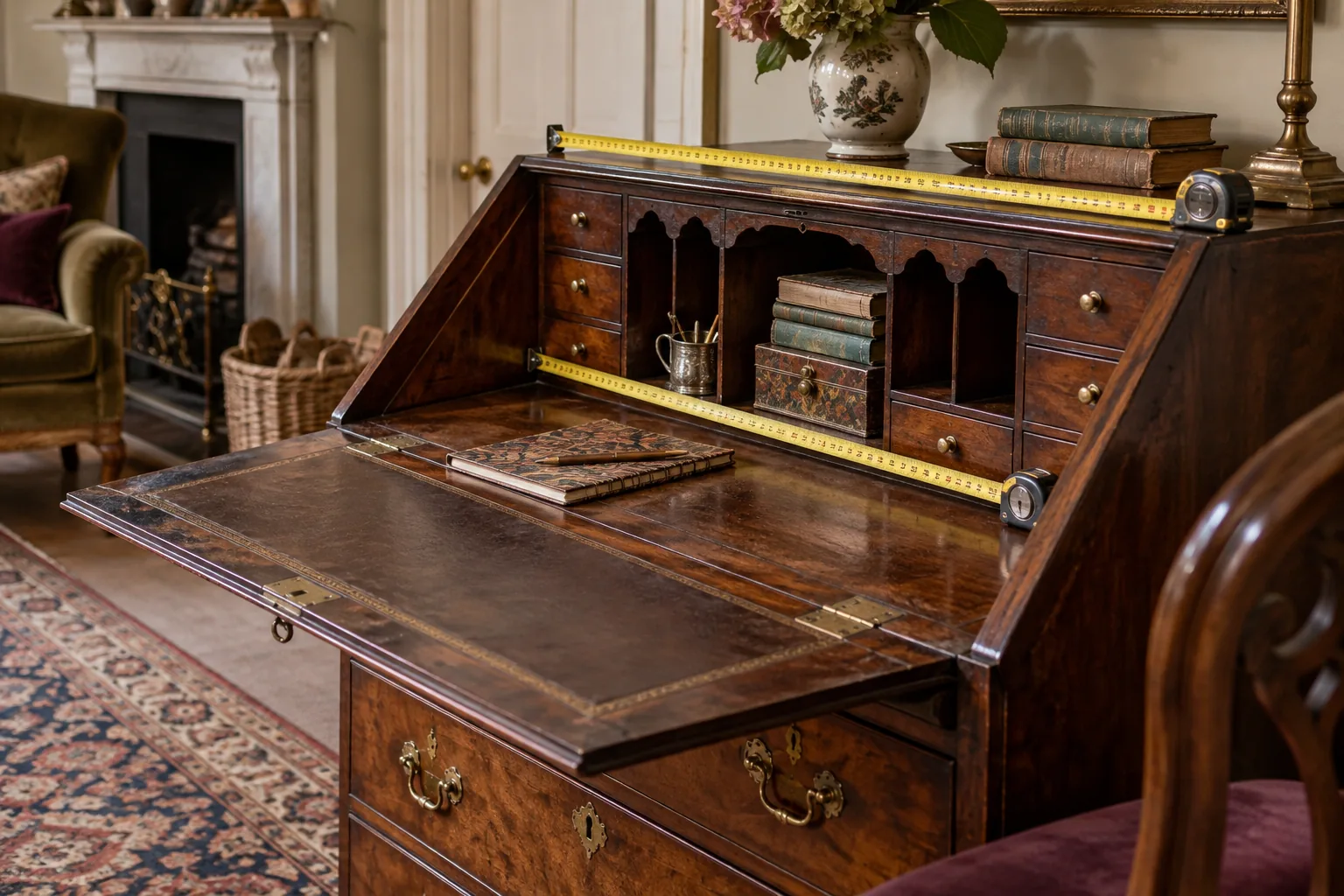
Sometimes the written description and a photograph of a tape measure seem to disagree, or two parts of the listing give different dimensions. Ask which information is correct and whether the item has been remeasured. Do not select the number that makes the purchase possible and ignore the other.
Photographs of measurements can help, but camera angles and an unclear starting point may still create ambiguity. A labelled sketch or a written confirmation can be more useful than another oblique image. If the fit is very tight, consider an in-person check or another reliable way to verify the dimensions. The effort should reflect the consequences of getting the measurement wrong.
Save the clarified version
Keep the seller's answer with the listing and note what each dimension includes. Use those confirmed figures for your room plan and any transport discussions rather than returning later to the original ambiguous description. If a dimension remains approximate, preserve that qualification.
Finally, leave enough practical tolerance for the object to function in its position. A cabinet that technically fits but cannot open comfortably is not a successful fit. Clear measurements are a foundation for judgement, not a substitute for it. They become useful when connected to the room, the nearby furniture and the ordinary actions the piece will need to support once it is home.