Follow a subject
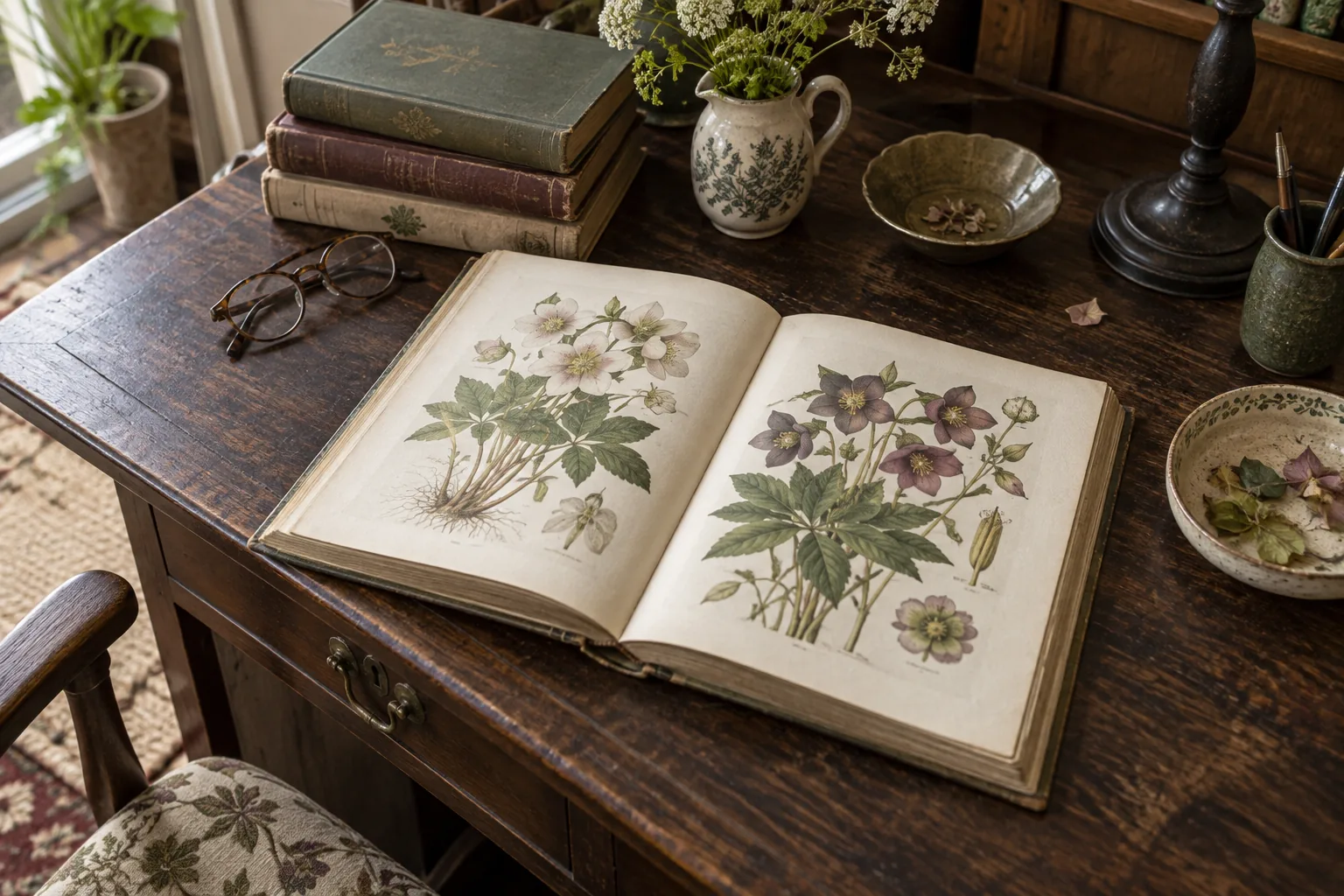
An old gardening manual, a regional guide or a book of domestic drawings gives you something to return to after the cover has become familiar. Begin with a subject you enjoy. That might be architecture, birds, cookery or the changing language of travel. The book need not be rare to offer a distinctive view.
Colour can still matter. A pleasing binding is part of the object, but it should not be the only reason to buy a whole row. Open a prospective purchase carefully and look at a few pages. Ask whether you want to read, study, browse or simply preserve it. Those intentions lead to different choices and different expectations about condition.
Inspect more than the spine
Check whether the boards are attached, pages are loose and important illustrations or maps are present. Ask about inscriptions, annotations, staining and missing material. A book described as complete should come with a clear basis for that description, especially if fold-outs or plates matter to your interest.
For remote purchases, request photographs of the title page and any publication information as well as the cover. An edition, impression and publication date are not interchangeable details. Record what the book actually states and what the seller claims separately if they differ. If monetary value is central to the decision, consult a knowledgeable bookseller rather than relying on a decorative listing.
Read with the binding in mind
The Canadian Conservation Institute advises supporting books and respecting how far a binding opens. Do not force an old volume flat for a photograph. A suitable cradle or support makes browsing more comfortable and reduces strain. Remove a book from a shelf by supporting its body rather than pulling at the top of the spine.
Set up a clear, dry place before opening a fragile book. Keep drinks and objects that might mark the pages elsewhere. If a loose piece falls out, preserve it with the book and record where it came from. Do not use ordinary adhesive tape to secure a tear or a detached part; seek appropriate conservation advice for material you wish to preserve.
Give the shelf practical order
Group similar sizes where that provides good support, and avoid squeezing books so tightly that removal becomes a struggle. Large volumes may be better stored flat with limited stacking. Keep the books clear of damp, strong heat and direct sunlight. A handsome display should also be a comfortable place for the materials.
Try organising by subject before organising by colour. You may find a pleasing rhythm naturally appears through different heights and bindings. Leave enough space that a newly read book can return without rearranging everything. One small decorative object at the end of a row is often enough; the books already provide texture, type and a variety of surfaces.
Keep useful traces intact
An inscription or bookseller's label can add interest, even if it does not establish a remarkable history. Photograph it and transcribe the text in your notes. Avoid inventing a life story around an unfamiliar name. If research produces a possible connection, label it as a possibility until there is adequate evidence.
A collection of books becomes distinctive through the subjects you continue to choose. You might discover that you favour practical diagrams, local descriptions or illustrations of ordinary rooms. Let that preference guide later purchases. A shelf that invites you to take something down has a kind of coherence that no perfectly matched run of decorative spines can supply.